Delivery from €16,90 per winemaker in Europe (excluding the United Kingdom)

Let's eat !
What wine to pair with pork cheeks?

What Wine to Pair with Pork Cheeks?
A classic comfort dish, pork cheeks delight lovers of traditional and slow-cooked recipes. With their tender texture achieved through long, gentle cooking, this often-overlooked cut of meat reveals rich, savory aromas. To enhance this generous meat dish, choosing the right wine is essential. In this article, discover the best wine pairings with pork cheeks, depending on the recipe and sides.
Pork Cheeks: A Tender and Flavorful Cut
Once seen as a humble family dish or a staple of rustic country tables, pork cheeks are now enjoying a culinary revival among chefs. Taken from the cheek of the pig, this slightly marbled meat becomes melt-in-your-mouth tender when slow-cooked. The connective tissue in pork cheeks, often seen as a drawback, is precisely what gives the meat its deep richness after several hours in a casserole.
Usually prepared in a sauce made from brown stock (or red wine), thyme, bay leaves, and pork broth, pork cheeks pair beautifully with steamed potatoes, mashed potatoes, or other root vegetables. Unlike stronger stews such as beef cheeks or wild boar stew, pork cheeks have a more delicate flavor. The choice of side dish also plays a role: the milder the garnish (e.g., potatoes), the lighter the wine can be; the heartier the sides (e.g., parsnips, celeriac) or the richer the sauce, the more robust the wine should be.
Which Red Wine to Serve with Pork Cheeks?
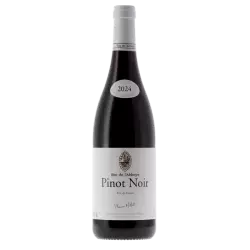
Pork cheeks naturally call for generous red wines with soft tannins that won’t overpower the meat’s tenderness. Fruity red wines like a Burgundy Pinot Noir are excellent with a pork cheek stew and vegetables. Their red berry notes highlight the gentle richness of the meat and sauce. A red Beaujolais Village AOC or one of the Beaujolais crus (such as Fleurie or Morgon) also makes a fine match, offering freshness and fruitiness without weighing down the dish.
If the recipe is bolder, featuring rich cooking fats, concentrated jus, and aromatic herbs like flat-leaf parsley, rosemary, or thyme, then go for a fuller-bodied red wine such as a Languedoc, Corbières AOC, or Fitou AOC. These wines’ well-integrated tannins pair wonderfully with the depth of the sauce without clashing with the meat’s texture.
Can You Pair White Wine with Pork Cheeks?
While less traditional, certain powerful and structured white wines can work well with pork cheeks, especially if the recipe includes cream, beer, cider, or white wine sauce. A dry Chenin Blanc from the Loire Valley, with notes of white fruit (apple, pear) and citrus, can create a unique pairing, particularly with cider-braised pork cheeks served with potatoes and a slightly tangy jus.
Our White Meat Pairing Selection : Find the mellow red or full-bodied white to lift your pork cheeks, straight from independent growers at estate prices. See the selection →
Best Food and Wine Pairings by Pork Cheek Recipe
- Pork cheeks with red wine and diced carrots: Cahors AOC, full-bodied Côtes du Rhône AOC
- Cider-braised pork cheeks: Anjou Blanc AOC, white Côtes du Rhône AOC
- Slow-cooked pork cheeks with thyme, bay and garlic: Minervois AOC, Corbières AOC, or a Merlot-dominant Bordeaux
- Pork cheeks with mashed or steamed potatoes: Beaujolais Village AOC
Bonus: Our red wine-braised pork cheeks recipe
To fully enjoy the melt-in-the-mouth texture of pork cheeks, nothing beats hearty slow-cooked, homemade recipes. Pork cheeks braised in red wine are a great classic of traditional Southwestern French cooking, close to the pork “carrillera” in wine found in certain regions such as La Mancha. The principle is simple: you let the cheeks simmer gently in a cast-iron pot with a generous aromatic garnish, until you obtain a coating sauce and confit-like cheeks. To accompany this pork cheeks recipe in a Cahors-wine sauce, nothing beats a Languedoc red under the AOC Corbières, or quite simply a Cahors red wine.
Ingredients (serves 4)
- 1 kg trimmed pork cheeks
- 2 tablespoons olive oil
- 2 crushed garlic cloves
- 1 large onion or 2 medium onions
- 1 red bell pepper cut into strips (optional)
- 2 carrots sliced into rounds to complete the aromatic garnish
- 1 bouquet garni (thyme, bay leaf, parsley)
- 1 flat-leaf parsley leaf, finely chopped per plate for finishing
- 50 cl Cahors red wine or another red from the South
- 20 cl veal stock or chicken broth
- 1 tablespoon wheat flour or potato starch to thicken the sauce
- A few cloves
- 1 pinch of four-spice blend
- Salt, freshly ground pepper
Method (serves 4)
- Heat your cast-iron pot with a drizzle of olive oil, then sear the pork cheeks to brown them on all sides. Remove them and set aside on a plate.
- In the same pot, add the onion, carrots, red bell pepper, and the crushed garlic cloves. Let them brown slightly, as this will add depth to the sauce.
- Dust the meat with a little wheat flour or potato starch, return the cheeks to the pot, then pour in the Cahors red wine. Add the bouquet garni, the cloves, the veal stock, and, if you have it, a little pot-au-feu broth, adding enough liquid to come level with the meat.
- Bring to a gentle simmer, cover, then cook slowly for two to three hours, until the cheeks are perfectly tender. If you are using a multicooker-type appliance, start with a Browning Program P1 to sear the meat, then switch to a Simmering Program P2 for the long cook, while keeping an eye on the total cooking time.
- At the end of cooking, adjust the sauce’s creaminess, let it reduce uncovered if necessary, then remember to readjust the seasoning with salt and pepper. Sprinkle with a flat-leaf parsley leaf just before serving for a touch of freshness.
Another delicious variation is pork cheeks in a beer sauce or pork cheeks cooked with cider. These recipes place creamy, silky sauces front and center, sometimes enriched with a cream sauce, and recall the flavors of Norman cuisine. A perfect version for those who love generous dishes, with a velvety sauce, ideal served with fresh pasta, a potato gratin, or creamy polenta. Here again, the choice of the wine pairing will be essential. A full-bodied white wine is best to stand up to the richness of the sauce.
Whether you prefer smooth, red berry-forward wines or more robust reds from the Rhône Valley, there’s always a wine that can elevate this slow-cooked dish. The key to a perfect wine pairing with pork cheeks lies in the recipe itself: the cooking method, the garnish, and the sauce must all be considered to achieve true harmony. Discover our best cuvées for pork cheeks on Avenue des Vins, sourced directly from renowned estates and châteaux!
Our White Meat Pairing Selection : Find the mellow red or full-bodied white to lift your pork cheeks, straight from independent growers at estate prices. See the selection →
FAQ - Wine with pork cheek
Which red wine goes best with slow-cooked pork cheeks?
Choose a red with soft tannins that respects the meat's tenderness. A Burgundy Pinot Noir or a Beaujolais Villages, full of red berries, suits a pork cheek stew with vegetables. For a bolder sauce, move to a Corbières or Fitou, whose tannins are well integrated.
Can you serve white wine with pork cheeks?
Yes, especially when the recipe uses a cream, cider, beer or white wine sauce. A dry Loire Chenin Blanc, with white fruit and citrus notes, pairs nicely with cider-braised cheeks. For a rich sauce, reach for a full-bodied, structured white.
What wine works with pork cheeks braised in Cahors red wine?
Stay within the same family of southern reds. A Cahors, a Corbières or a full-bodied Côtes du Rhône matches the depth of the sauce and jus. These structured wines support the dish without overpowering the tender, confit-like meat.
Which wine suits cider-braised pork cheeks?
Go for a white that is both fresh and round. An Anjou Blanc or a white Côtes du Rhône balances the cider's tang and the sweetness of the potatoes. The wine's acidity echoes the slightly tangy jus of the recipe.
Should the wine match the side dish served with pork cheeks?
Yes, the garnish guides the choice as much as the sauce. The milder the side, such as mashed potatoes, the lighter the wine can stay. The heartier it is, like parsnip or celeriac, or the richer the sauce, the more the wine benefits from being powerful and structured.