Delivery from €16,90 per winemaker in Europe (excluding the United Kingdom)


AOC Bourgogne Aligoté
AOC Bourgogne Aligoté: The Freshness of Burgundy White Wines. Explore AOC Bourgogne Aligoté, an appellation known for its fresh and fruity white wines. Dive into the world of this unique grape variety and discover the characteristics that make these wines a perfect choice for your aperitifs. Aligoté changes style with the site: on the heavier soils at the foot of the slopes, mainly in the Côte-d’Or, it makes light, crisp wines to drink young. Planted on hillsides in the Hautes Côtes, the Côte Chalonnaise or the Yonne, it gives more complex wines that hold up better over time.
Filtrer


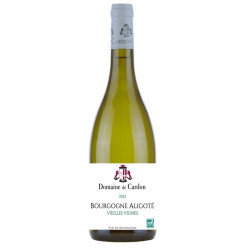
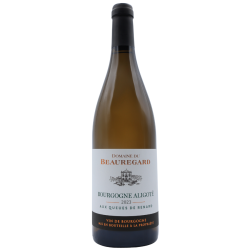


Aligoté, Burgundy’s Second White Grape After Chardonnay
Aligoté covers 6% of Burgundy’s 32,301 hectares (about 79,800 acres) of vineyards, against 57% for Chardonnay and 34% for Pinot Noir, according to key figures published by the BIVB, the Burgundy wine board, in September 2024. This minority grape still has a regional appellation named after it.
What the Bourgogne Aligoté Appellation Requires
In the 19th and early 20th centuries, Aligoté wines gradually stood apart from Burgundy’s “grands ordinaires,” a middle tier between fine wines and everyday table wine. Court rulings between 1919 and 1930 set limits on their production, and a decree of July 31, 1937, recognized the AOC Bourgogne Aligoté.
Only still white wines qualify. Yields are set at 72 hectoliters per hectare (about 770 US gallons per acre), with a hard cap at 77. They hold no more than 3 grams of sugar per liter, or 4 when total acidity reaches 4.13 grams per liter, so they are dry. After enrichment, they top out at 12.5% alcohol.
Only one village appellation is also reserved for Aligoté: Bouzeron, in the Côte Chalonnaise. Formerly known as “Aligoté de Bouzeron,” it was promoted to village status in 1998 and covers two villages, Bouzeron and Chassey-le-Camp.
History of the AOC Bourgogne Aligoté
AOC Bourgogne Aligoté is a regional appellation that stretches across the entire Burgundy vineyard. Present in Burgundy since the 17th century, Aligoté produces wines with remarkable diversity depending on the terroir, exposure, and the estate’s identity. Traditionally enjoyed for its freshness and fruitiness, it is often served as an aperitif or in a kir (a cocktail made with crème de cassis and white wine). However, AOC Bourgogne Aligoté white wines are also perfect for light and refreshing food pairings.
Climate and Terroir of the AOC Bourgogne Aligoté
-
Climate: The Burgundy vineyard benefits from a temperate semi-continental climate with cold winters, hot summers, and a favorable late season that promotes grape ripening.
-
Soils: The AOC Bourgogne Aligoté stretches across a wide variety of soils in the Burgundy vineyard, but the soils are primarily limestone and marl, which gives the wine its characteristic minerality.
Aligoté: The Essential Grape of AOC Bourgogne Aligoté
While most Burgundy white wines are made from Chardonnay, AOC Bourgogne Aligoté is an exception as it is exclusively made from the Aligoté grape. This native grape, the second most planted white grape in Burgundy after Chardonnay, produces wines that are fresh, floral, and mineral. Each estate and terroir brings a unique expression to this grape, offering either a smooth and fruity or crisp and refreshing style.
Style of AOC Bourgogne Aligoté White Wines
Appearance: Pale straw color with greenish reflections.
Aroma: AOC Bourgogne Aligoté white wines express aromas of white flowers (hawthorn, acacia), green apple, and citrus (lemon).
Palate: These wines can vary significantly depending on the terroir and estate. They often feature lively acidity, freshness, and a vibrant mouthfeel, with notes of citrus and a distinctive minerality.
Serving Temperature: 10°-12°C (50°-54°F)
Aging Potential: 1 to 3 years
Best Food Pairings with an AOC Bourgogne Aligoté White Wine
Here are our recommendations for the best food pairings with a bottle of white wine from an estate or château in AOC Bourgogne Aligoté:
- Shellfish and seafood
- Andouillette with mustard
- Burgundy escargots
- Fresh goat cheese
- Jambon persillé (parsley ham) from Burgundy
Bourgogne Aligoté: Your Questions Answered
Can you drink Bourgogne Aligoté as early as November?
Bourgogne Aligoté labeled “primeur” or “nouveau” can go on sale to consumers from the third Thursday of November in the year of the harvest. The appellation allows both terms, and trade shipments between licensed warehouses can start on the 38th day before that date.
Where are Bourgogne Aligoté grapes grown?
Bourgogne Aligoté grapes are grown in villages of three French departments: Côte-d’Or, Saône-et-Loire and Yonne. The appellation also has a nearby zone that includes villages in the Rhône department, where the wine may be made, but the grapes cannot come from there.
Can a Bourgogne Aligoté label name a specific vineyard site?
A Bourgogne Aligoté label can name a lieu-dit, a vineyard site listed in the land register, as long as it also appears on the harvest declaration. The site name must be printed no larger than half the height and width of the appellation name.
Where can you buy Bourgogne Aligoté direct from the winemaker?
You can buy Bourgogne Aligoté direct from the producer on Avenue des Vins. Each wine’s page lists the vintage and the bottle size.
See also: AOC Bourgogne Wine - AOC Crémant de Bourgogne Wine - AOC Bourgogne Hautes Côtes de Beaune