Delivery from €16,90 per winemaker in Europe (excluding the United Kingdom)


Corsica Wine
Spanning 7,000 hectares, the Corsican vineyard enjoys a climate that is both Mediterranean and alpine. Although very sunny, it is particularly exposed to the wind. The relief influences rainfall, which can be abundant in high-altitude areas. Corsica boasts genuine diversity when it comes to grape varieties, with around thirty native varieties (sciaccarellu, niellucciu, vermentinu) and 9 appellations. These include the Patrimonio appellation, as well as the Muscat du Cap Corse and Coteaux du Cap Corse appellations. Famous for its red wines, Corsica also produces white wines, as well as rosé wines.
Filtrer


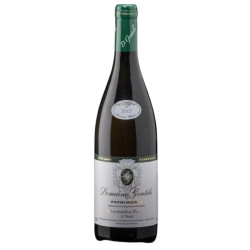




Corsica: A Mountain in the Sea, Planted with Vines
Corsica’s vines grow mostly close to the sea, and almost the entire coastline of the island is planted. The largest winegrowing area runs along the east coast, from Bastia to Solenzara. This eastern plain alone supplies 95% of AOC Corse wine.
Corsican Wines
If Corsica is a dream destination for holidays, it’s also a region with a winemaking tradition spanning millennia. Like its people, Corsica produces sincere, authentic wines full of character! Follow our guide and discover everything you need to know about Corsican wines through its history, terroir, and grape varieties.
The History of Corsican Wines
Like Provence, Corsica has been producing wine for nearly 2,600 years, beginning with the arrival of the Phocaeans, who founded the trading post of Alalia and began cultivating vines. Over time, this island vineyard continued to flourish alongside olive, chestnut, and citrus trees. Under Greek, Roman, Tuscan, and Genoese rule, Corsica became French in 1789, with each influence shaping the island’s winemaking practices and wine identity.
After WWII, Corsica initially focused on mass production with lower quality, but since the creation of the AOC Patrimonio, the region has embraced high-quality winemaking. Today, Corsica proudly highlights its native grape varieties, bringing pleasure to wine enthusiasts eager for discovery.
The Climate and Terroir of Corsica’s Vineyards
Corsica is a true "mountain in the sea," with a rugged and varied topography. Depending on altitude and orientation, there are differences in sun exposure, strong winds, and weather conditions (temperature, rain, and snow). Despite the varied terrain, the climate is broadly Mediterranean and among the sunniest in France.
Corsica’s soils vary widely across the island:
- South and West: Primarily granite soils, from Calvi to Sartène.
- Northeast (Cap Corse): Predominantly schist soils.
- East Coast: Sedimentary and marl-sand alluvial soils.
- Patrimonio: Clay-limestone soils.
These differences in landscape, exposure, and soil strongly impact the appellations. Each vineyard is unique, and each wine offers a distinct expression of a grape or blend.
The Different Appellations of Corsica
To best represent Corsica’s diverse climates and terroirs, the island has one regional appellation, AOC Corse, along with five village appellations in white, red, and rosé:
- Corse Porto-Vecchio
- Corse Figari
- Corse Sartène
- Corse Calvi
- Corse Coteaux du Cap Corse
Corsica also has two distinct crus at the top of the appellation hierarchy:
- AOC Ajaccio (white, red, and rosé)
- AOC Patrimonio (white, red, and rosé)
Additionally, the region produces a unique sweet wine under its own appellation:
- AOC Muscat du Cap Corse (white)
Corsica’s Iconic Grape Varieties
While Corsica produces red, rosé, and white wines from Mediterranean varieties like Grenache and Syrah, or international ones like Merlot and Chardonnay, the island also boasts many distinctive native grapes. The most widespread are:
Vermentinu or Vermentino
Also known as Rolle in Provence and widely grown in Italy, Vermentinu reaches its peak in Corsica. This grape offers floral, white fruit, and citrus aromas, with hawthorn and fresh almond notes, a dense, smooth texture, and balance on the palate.
Niellucciu or Nielluccio (Sangiovese in Italy)
The main red grape in Corsica, Niellucciu is complex and varies greatly based on altitude, vine orientation, soil, and climate. It can produce fresh, fruity wines with a light color or structured wines with dark fruit and maquis herb notes. In AOP Patrimonio, it often adds complexity and aging potential.
Sciaccarellu or Sciaccarello
A key grape in Corsican red and rosé wines, Sciaccarellu is light, pale, and supple. With floral, citrus, and peppery notes, it brings charm to the island’s rosés and adds softness and finesse to reds.
Food and Wine Pairings with Corsican Wines
Corsican Wines with an Appetizer
Try a local pairing with grilled figatelli on toast, served with a 100% Niellucciu AOP Patrimonio red. For a lighter starter, such as grilled prawn skewers, choose a rosé IGP Île de Beauté or an AOC Corse Sartène rosé dominated by Sciaccarellu.
Corsican Wines with a Main Course
To pair with a Mediterranean fish like sea bream with fennel, select an AOP Patrimonio white, 100% Vermentino. For meat, accompany a wild boar stew or meat dish with an AOP Corse Calvi red featuring Niellucciu, Sciaccarellu, Minustellu, or Carcajolo.
Corsican Wines with a Dessert
For fig tart, opt for an AOP Muscat du Cap Corse with honey, lemongrass, and citrus notes. For dark chocolate desserts, try a Corsican red liqueur wine with vanilla, prune, and orange zest aromas.
With its original grape varieties and variety of styles, discover Corsica’s vineyards. On Avenue des Vins, each cuvée is carefully selected and available for home delivery, directly from the estate or château. Choose a Corsican wine or other French regions’ selections, and enjoy the best prices with home delivery!
Rosé, Island Winds and the First AOC: Corsican Wine FAQ
Is rosé the leading color of AOC Corse?
Rosé is the leading color of AOC Vin de Corse, also called AOC Corse: about 60% of its production, versus 30% for red. These figures cover the appellation alone and leave out Patrimonio, Ajaccio and IGP Île de Beauté, which follow their own rules.
Which winds blow over Corsica’s vineyards?
Five regional winds shape the vineyards of AOC Corse. The tramontane blows from the north, the maestrale from the northwest, the libecciu from the southwest, the sirocco from the southeast and the rain-bearing grégale from the northeast. Sea and mountain breezes also give certain areas their own character.
What is Corsica’s oldest AOC?
Corsica’s oldest AOC is Patrimonio, recognized by decree on March 13, 1968. The same year, Sartène became a VDQS, the quality tier just below AOC at the time. Ajaccio followed in 1971, with an AOC first named Coteaux d’Ajaccio.
Where can you buy Corsican wine direct from the winemaker?
You can buy Corsican wine direct from the winemaker on Avenue des Vins. Each wine’s page names the producer who made it.
See also: Red wines from Corsica - Rosé wines from Corsica - White wines from Corsica