Delivery from €16,90 per winemaker in Europe (excluding the United Kingdom)


AOC Bourgueil
AOC Bourgueil: Authentic Red Wines from the Loire Valley. Explore AOC Bourgueil, a renowned appellation known for its expressive red wines, primarily made from Cabernet Franc grapes. Discover the characteristics and terroirs that make this wine region a must-try for wine enthusiasts. Rosé, made in smaller quantities, comes from the same grape. In 2009, 180 growers farmed 1,400 hectares (about 3,460 acres) of vines here.
Filtrer


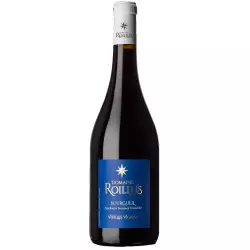


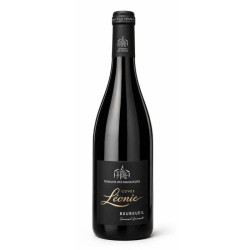
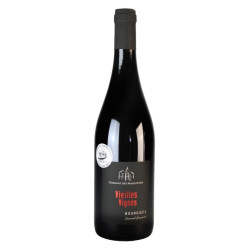


Bourgueil: A South-Facing Hillside and Its Montilles
The vineyard’s origins are tied to Bourgueil Abbey, founded in 990, which holds its first written records; by 1189, Abbot Baudry was already praising its wine. Vines then spread onto the hillside, the terraces and the montilles, low mounds of recent alluvium left by the Loire. Throughout, the main grape remains Cabernet Franc, known locally as Breton.
History of AOC Bourgueil
Located in the Loire Valley wine region, AOC Bourgueil is renowned for its deep red wines and refreshing rosés, both made from the Cabernet Franc grape, locally known as "Breton." The Bourgueil vineyard, famous since the Middle Ages, benefits from an exceptional terroir that stretches across seven communes, offering a wide variety of wines.
Climate and Terroir of AOC Bourgueil
- Climate: AOC Bourgueil enjoys a temperate continental climate, influenced by the nearby Loire River, which helps moderate extreme weather conditions.
- Soils: The soils of AOC Bourgueil consist of gravel, sand, and clay over tuffeau, giving the wines their finesse and complexity. The vineyards are located on slopes overlooking the Loire, ensuring optimal sunlight exposure.
Cabernet Franc: The Signature Grape of AOC Bourgueil
Cabernet Franc is the signature grape of AOC Bourgueil. It produces soft, fruity red wines as well as light, aromatic rosés with refreshing acidity. Although Cabernet Franc is the dominant variety, it can be blended with Cabernet Sauvignon.
Style of AOC Bourgueil Wines
- Red Wine: AOC Bourgueil reds display a deep garnet color. The nose reveals aromas of red and black fruits (raspberry, cherry, blackcurrant), along with spices, pepper, and violet notes. On the palate, they are fleshy and structured, with present but supple tannins.
- Rosé Wine: The rosés feature a pale pink color. Their fresh nose offers notes of small red fruits (raspberry, redcurrant) and citrus. On the palate, they are lively, light, and refreshing.
Best Food and Wine Pairings with an AOC Bourgueil Wine
Here are some suggestions for the best food and wine pairings with a bottle of wine from an AOC Bourgueil estate or château, whether red or rosé:
- Red Wine: Tours rillettes, lamb stew (navarin), roast pork, charcuterie board
- Rosé Wine: tabbouleh, piperade, melon with cured ham
From River Trade to Today’s Vineyard
The Loire, flowing at the foot of the vines, long carried the Bourgueil wine trade. By the 17th century, its fine wines were heading out to sea, especially to the Flemish lands. The river also carved out the great hillside and laid down the alluvium on which most of the vineyard sits.
During the phylloxera crisis, vines on the terraces held out longer, since the pest spreads more slowly through sand. The vineyard was then quickly replanted with grafted vines, using Cabernet Franc alone.
In the early 20th century, the Bourgueil area still made much of its living from market gardening and from growing seeds or licorice. Those crops have since disappeared. Wine volumes have risen since the AOC was recognized in 1937, and the area now focuses mainly on vines.
Associations such as the Commanderie de la Dive Bouteille and the Maison des Vins, housed in the birthplace of actor Jean Carmet, carry the reputation of these wines today.
Neighbor, Climate, Color: Your Bourgueil Questions
What is the difference between Bourgueil and Saint-Nicolas-de-Bourgueil?
Bourgueil and Saint-Nicolas-de-Bourgueil are two separate AOCs, both recognized on July 31, 1937. The Bourgueil area covers seven communes, while Saint-Nicolas-de-Bourgueil is limited to the commune of the same name. Both make reds and rosés, with Cabernet Franc as the main grape.
How does the Gâtine forest shape the Bourgueil vineyard?
The Gâtine forest crowns the Bourgueil hillside to the north and shelters its vines from cold winds. The climate here is milder and drier than in the rest of Touraine: temperatures about 1.8°F (1°C) higher and roughly 3 inches (75 mm) less rain per year.
How much of Bourgueil’s output is red wine?
Red wine made up nearly 95% of AOC Bourgueil volume in 2009. Rosé accounts for the rest, capped at 4 grams of sugar per liter.
Where can you buy Bourgueil direct from the winemaker?
You can buy Bourgueil direct from the winemaker on Avenue des Vins. Each wine’s page lists the vintage and the bottle size.
See also: AOC Chinon - Rosé wines from the Loire Valley - AOC Saumur