Delivery from €16,90 per winemaker in Europe (excluding the United Kingdom)


AOC Corbières Wine
In the south of France, the sun-drenched vineyards of Languedoc-Roussillon stretch over 240,000 hectares from Nîmes to Leucate (Aude), making it one of the largest vineyards in the world. The AOC Corbières appellation area stretches between Carcassonne and the Mediterranean, covering some 11,800 hectares of schist, limestone, marl and sandstone soils. Vines of Maccabeu, Carignan, Grenache, Mourvèdre, Cinsault and Syrah, planted in the Mediterranean climate of this geographical zone, produce white, rosé and red wines. The latter are generally powerful, reflecting the characteristics of the terroirs on which they are produced. Rosés, too, are powerful as well as fruity, fine and velvety. The whites, with their notes of white flowers and exotic fruit, are fat and smooth.
Filtrer


Château de Saint Louis Prestige Rouge 2024 2 étoiles ** GUIDE HACHETTE 2026
Château de Saint Louis Languedoc Roussillon
€9.80


Domaine les Verrières Pierre Plantée
Château Paul Mas - Domaines Paul Mas Languedoc Roussillon
€19.90
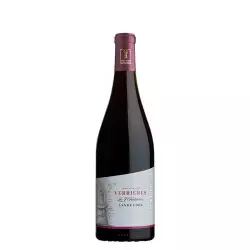
Domaines les Verrières Les 7 Fontaines
Château Paul Mas - Domaines Paul Mas Languedoc Roussillon
€10.75




87 Aude Villages, from the Coast to the Gates of Carcassonne
The AOC Corbières area runs some 60 km (37 miles) from the coast near Narbonne to the edge of Carcassonne, across 87 villages in the eastern Aude. At the northeastern tip of the Pyrenees, the massif drops from the Pic de Bugarach, 1,230 m (4,035 ft) high, to the lagoons and the sea, its slopes shared by vines and garrigue.
Each Grape in Its Place Across the Corbières Massif
In this broken terrain, growers have matched each grape variety to its site. The contrasts are sharp: the coast gets under 450 mm (about 18 inches) of rain a year on average, the mountains more than 700 mm (28 inches), and the average yearly temperature is 15.4°C (59.7°F) by the sea against 13.4°C (56.1°F) near Carcassonne.
Carignan remains the grape of choice for the toughest sites, well suited to the hot, dry, windy climate. Grenache, found everywhere, shares the thin, arid hillsides with it.
Syrah, an early ripener, goes on deeper, cooler soils; since it is sensitive to wind, it is usually trellised, its shoots tied along wires. Mourvèdre ripens later and needs heat, so it grows on the coastal strip and in sheltered spots.
These choices show in the style of the wines. Thin, stony soils give the reds their structure and power, deeper, cooler soils give the rosés their fruity aromas, and sheltered plots make both suppler, with red-fruit notes in the reds.
History of the AOC Corbières
AOC Corbières, located in Languedoc-Roussillon, is a land rich in wine history. The first vineyards were planted by the Romans over 2,000 years ago! Recognized as an AOC in 1985, the Corbières vineyard is now one of the most dynamic appellations in Languedoc, renowned for the quality and diversity of its white, rosé, and red wines.
Climate and Terroir of the AOC Corbières
- Climate: AOC Corbières benefits from a Mediterranean climate characterized by hot, dry summers and mild winters. Strong winds, such as the Tramontane, help maintain vine health by limiting diseases.
- Soils: The terroir mainly consists of limestone, sandstone, shale, and clay soils, contributing to the complexity and diversity of wine profiles in the AOC Corbières appellation.
Key Grape Varieties of the AOC Corbières
Corbières wines are crafted from a wide variety of Mediterranean grape varieties, with the most important ones being Carignan, Grenache, Syrah, and Mourvèdre for red and rosé wines, and Grenache Blanc, Macabeu, and Bourboulenc for white wines.
Style of AOC Corbières Wines
- White: Pale yellow with green reflections. AOC Corbières white wines express aromas of white-fleshed fruits, citrus, and exotic fruits, supported by a beautiful roundness and smoothness on the palate.
- Rosé: The rosés have a deep pink color and reveal aromas of red berries, citrus, and a hint of spices. On the palate, AOC Corbières rosé wines are fresh, fruity, and aromatic, making them ideal for aperitifs or summer cuisine.
- Red: Deep, almost black-red color. The nose features notes of black fruits, spices, licorice, pepper, and garrigue. AOC Corbières red wines are generally powerful and structured on the palate, but they can also show great elegance on the best terroirs.
Best Food Pairings with AOC Corbières Wines
Here are some dish suggestions to pair with a bottle of wine from a château or domaine in AOC Corbières, whether white, red, or rosé:
- White: Grilled sea bream with fennel, fresh goat cheese.
- Rosé: Duck gizzard salads, grilled meats, chorizo tapas.
- Red: Roast lamb, cassoulet, bull stew.
Boutenac, Carignan, Wind: Key Facts About AOC Corbières
How does Boutenac relate to Corbières?
Boutenac is an AOC separate from Corbières, for red wines only, and its ten villages in the Aude all lie within the Corbières area. Recognized in 2005 as Corbières-Boutenac, it requires at least 30% Carignan in the blend and aging until December 31 of the year after the harvest.
Why is Carignan so common in Corbières?
Carignan is common in AOC Corbières reds because it gives them structure. The other grapes bring roundness and aromatic complexity, and its share is capped: no more than 50% of an estate’s plantings for red, and 40% for rosé.
How often does the wind blow in Corbières?
The Corbières vineyards face wind nearly 300 days a year. The Cers, also called the Tramontane, blows from the west; the sea wind, mostly in spring and fall, brings moisture and rain.
Where can you buy AOC Corbières wine direct from the winemaker?
You can buy AOC Corbières wine direct from the winemaker on Avenue des Vins. Your order ships straight from the producer, with no middleman.
See also: AOP Fitou - AOC La Clape - AOC Minervois Wine