Delivery from €16,90 per winemaker in Europe (excluding the United Kingdom)


AOC Chablis
Far from the sea, the Chablis vineyard, the northernmost outpost of Burgundy wines, is known for its dry white wines that go so well with seafood and shellfish. They stand out for their freshness, their finesse, their purity and their minerality. The unique personality of the Chablis wines takes its roots in the sedimentary sub-soil, around 150 million years old. It is on this very terroir that the unique grape variety of the appellation, Chardonnay, flourishes in a climate with mild temperatures. The same grape is grown further south in Burgundy, in Mâcon. It can be recognized by its very light yellow colour. Chablis offers flinty notes, a legacy of that very ancient soil and citrus notes such as lemon and grapefruit. When tasting, one can notice vivid aromas, which also leave the palate with a taste of gunflint or mushroom. The taste and the olfactory palette are unbeatable.
Filtrer
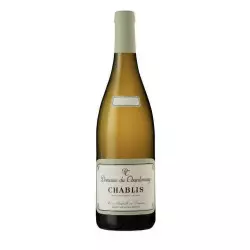


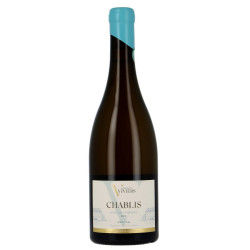

Chablis: Why Are Its Wines So Mineral?
Who has not been charmed by the elegance and complexity of a good bottle of Chablis? Among the most prestigious and renowned white wines in the world, the Chablis appellation benefits from a unique terroir that imparts it with inimitable characteristics. Located in the northern part of Burgundy, this appellation produces dry white wines made from Chardonnay, known for their freshness, minerality, and finesse. This guide will tell you everything you need to know about the history, terroir, and grape variety of Chablis wines. Follow our tips for pairing dishes with a bottle of AOC Chablis white wine.
What Is the History of the Chablis Vineyard?
The Chablis appellation is located in northern Burgundy, halfway between Paris and Dijon. The first traces of viticulture in this region date back to the Gallo-Roman era. However, it was the Cistercian monks of the Pontigny Abbey in the 12th century who truly developed the vineyard and established the reputation of Chablis wines. Over the centuries, the fame of Chablis wines has crossed borders and captivated wine lovers around the world. Despite the devastation caused by phylloxera at the end of the 19th century and the economic difficulties of the early 20th century, the Chablis vineyard managed to rise from its ashes thanks to the determination of local winemakers. In 1938, the Chablis Appellation d'Origine Contrôlée (AOC) was officially recognized, protecting and highlighting this exceptional terroir, now considered one of the most respected white wine appellations in the world.
Climate and Terroir of the Chablis Appellation
- Climate: The Chablis appellation has a semi-continental climate with oceanic influences. Winters are cold and harsh, while summers are warm and sunny. Spring frosts are common and pose a major challenge for winemakers. However, these climatic conditions contribute to the freshness and characteristic acidity of Chablis wines.
- Soils: The Chablis terroir is unique and distinguished by its Kimmeridgian soils, composed of limestone and clay marls rich in marine fossils. This type of soil gives Chablis wines their characteristic minerality and purity. The best plots, called "climats" in Burgundy, are located on well-exposed slopes where Chardonnay thrives.
The Different Appellations of Chablis
The Chablis appellation is divided into four levels of classification, reflecting the quality and typicity of the terroirs:
- Petit Chablis: Situated on Portlandian soils, Petit Chablis plots produce fresh and light wines meant to be enjoyed young. They offer aromas of fruit and flowers with lively acidity.
- Chablis: Chablis wines come from Kimmeridgian soils and are more complex than Petit Chablis. These are elegant, balanced dry white wines, perfect for pairing with seafood and fish.
- Chablis Premier Cru: Chablis Premier Cru wines come from specific plots with exceptional exposures and soils. They are richer and more complex than classic Chablis, with varied aromatic palettes and significant aging potential.
- Chablis Grand Cru: Chablis Grand Cru wines are the jewels of the appellation, coming from the best "climats" on the right bank of the Serein River. These wines are powerful, complex, and very refined. They develop subtle aromas and unique depth, capable of aging for several decades.
Chardonnay: The Grape Variety of the Chablis Appellation
Like many Burgundy appellations, Chablis exclusively produces dry white wines made from a single variety: Chardonnay. This noble and versatile grape variety is perfectly suited to the climatic and soil conditions of Chablis. It expresses all its finesse and complexity here, resulting in wines of great purity and unparalleled elegance. Chablis Chardonnay is distinguished by its freshness, minerality, and subtle aromas of white flowers, citrus, and white-fleshed fruits. Depending on the plot, the estate, and the winemaking methods, the wines may also reveal notes of dried fruit, butter, brioche, and flint.
What Is the Style of Chablis Wines?
- Appearance: Light yellow with green reflections, leaning towards golden depending on the cru.
- Nose: Chablis white wine offers delicate and complex aromas of white flowers, white-fleshed fruits (apple, pear), and citrus (lemon, grapefruit). Mineral notes of gunflint, oyster shell, and sometimes flint blend with hints of fresh butter and brioche when the wine is aged in oak.
- Palate: Chablis white wines are dry and sharp, with marked acidity giving them great freshness. The fruit and mineral flavors linger, providing an elegant texture and a persistent finish. The best crus can develop more complex aromas and a fuller structure over time.
- Serving temperature: Ideally between 10 and 12 °C (50–54 °F) to preserve their freshness and liveliness.
- Aging potential: AOC Petit Chablis and AOC Chablis are enjoyed within 3 to 5 years. AOC Chablis Premier Cru and AOC Chablis Grand Cru white wines can age up to 20 years or more (depending on the estate and vintage).
Best Food Pairings with Chablis
Here are some dish ideas to pair with a dry white wine from an AOC Chablis estate or château:
- Oysters and seafood (Petit Chablis)
- Sole meunière
- Veal Marengo (Chablis Premier Cru or Grand Cru)
- Sushi, maki, and sashimi
- Rabbit with mushrooms (Chablis 1er cru)
- Smoked eel
- Poularde with truffle (Chablis Grand Cru)
Frequently Asked Questions about Chablis Wines
What is the difference between Petit Chablis, Chablis, Premier Cru and Grand Cru?
Four levels, four terroirs. Petit Chablis comes from Portlandian soils: fresh, light wines to drink young. Chablis comes from Kimmeridgian soils, more complex and better balanced. Chablis Premier Cru comes from specific plots with exceptional exposure and soils, richer and built to age. Chablis Grand Cru comes from the best "climats" on the right bank of the Serein: powerful, complex, able to age for several decades.
Which grape variety goes into Chablis?
Chardonnay, and nothing else. The whole appellation makes single-variety dry white wines. It is on the soils of Chablis that Chardonnay gives its most taut expression: white flowers, citrus, white-fleshed fruit, and that gunflint minerality.
Where does the minerality of Chablis come from?
From the sub-soil. Kimmeridgian soils combine limestone with clay marls rich in marine fossils. That is where the minerality, the purity and the oyster-shell and flint notes of the appellation come from.
At what temperature should Chablis be served?
Between 10 and 12 °C (50–54 °F), to preserve its freshness and liveliness. Any colder and the minerality and aromas close up.
How long can you keep a Chablis?
3 to 5 years for a Petit Chablis or a Chablis. Up to 20 years and more for a Chablis Premier Cru or Grand Cru, depending on the estate and the vintage.
What food goes with Chablis?
Oysters and seafood with a Petit Chablis, sole meunière, sushi, maki and sashimi, smoked eel. With a Premier Cru: veal Marengo or rabbit with mushrooms. With a Grand Cru: poularde with truffle.
Has this made you want to taste a Chablis? On Avenue des Vins, we offer a wide selection of wines directly from the best estates or the château of your choice. Whether you are looking for an AOC Petit Chablis for an aperitif, an AOC Chablis for a seafood platter or an AOC Chablis Premier Cru for a gourmet meal, we have the bottle you need. Discover our wines with home delivery today.