Delivery from €16,90 per winemaker in Europe (excluding the United Kingdom)


AOC Mâcon
In Burgundy, the Mâconnais is a wine region with two distinct faces. Firstly, it offers, in the north, a wooded terroir on gentle hills, while the southern area is marked by rocky soils and rugged landscapes. Secondly, this region stands apart because it was never governed by the Dukes of Burgundy, allowing the cultivation of a grape exiled from Burgundy: Gamay. This grape, which produces light and fruity red wines, coexists with Chardonnay, the iconic white grape of the Mâconnais. The diversity of soils and exposures here allows for a unique expression of these grapes, creating wines with refreshing acidity and floral and fruity aromas. The Mâconnais thus stands out for its authentic and independent character, producing wines that appeal to enthusiasts seeking diversity and originality within Burgundy. Each bottle reflects the region's charm and the dedication of winemakers who craft wines that celebrate both tradition and innovation, making it a must-discover area for wine lovers.
Filtrer
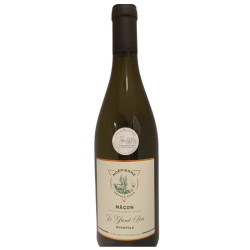

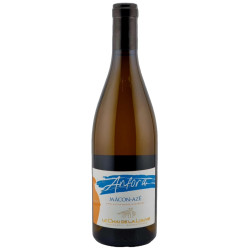
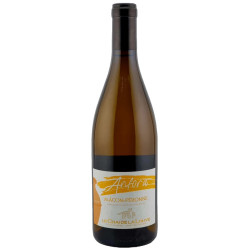
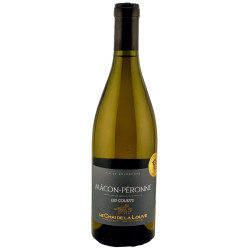
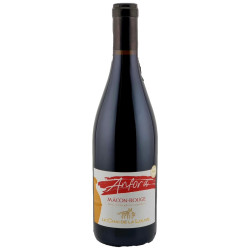

Mâcon, Mâcon-Villages or Mâcon Plus a Village Name
The Mâcon appellation spans 89 villages in Saône-et-Loire, in southern Burgundy. It makes still, dry wines in all three colors, with whites by far the largest share. On the label, the name can stand alone or carry an added detail.
Three Ways to Read a Mâcon Label
A Mâcon with no other mention can be white, red or rosé and come from anywhere in the appellation. It is the broadest label in the family.
When a place name follows "Mâcon," printed in letters of the same size, the wine comes from a narrower area. The appellation lists 27 of these names, 26 for whites and 20 for reds and rosés. Pierreclos, for example, covers a single village, while Mancey groups eleven villages and part of Tournus.
The "Villages" mention, finally, is for white wine only. A Mâcon-Villages can come from 81 of the 89 villages in the area, most often from slopes facing east or south. Together, Villages wines and wines labeled with a place name make up more than 90% of production.
Chardonnay on Limestone, Gamay on Granite
The Mâconnais is a series of long parallel ridges, known as "chaînons," running from north-northeast to south-southwest. On each one, from west to east, a granite or schist base gives way to the limestone and clay layers that cover it. Granite outcrops are more common in the south and west.
Plots for white wine are limited to limestone or lightly decalcified soils. Chardonnay makes up at least 90% of white plantings, and in the 2020s the appellation added Aligoté, Pinot Blanc and Pinot Gris as minor grapes to respond to a changing climate. The resulting whites are fresh and aromatic and can be enjoyed young.
Gamay, for its part, favors the acidic soils on the granite fringes: in the west, in the south near the Beaujolais hills, and in the north near the Chalonnais. Reds and rosés cover only about 300 hectares (740 acres), compared with some 4,000 hectares (9,900 acres) for whites.
From the "Petit Gamay" of 1620 to the 1937 Appellation
Vines are recorded in the Mâconnais as early as the 3rd century. In the Middle Ages, the great monastic orders drove their growth, especially Cluny Abbey to the west and Tournus to the north.
In 1620, an edict from Mâcon's aldermen called for red wine to be made from a single fine variety, the "petit gamay." Chardonnay was planted for white wine around the same time. Heavy taxes in Lyon then discouraged growers from selling everyday wine there, so they turned to "fine wines" that fetched higher prices in Paris.
In the 19th century, the poet Alphonse de Lamartine, who owned vines at Milly, celebrated the landscapes and people of the Mâconnais in his work. In the early 20th century, growers joined forces to protect their region's name, and the Mâcon AOC was recognized by decree on July 31, 1937.
Mâcon Beyond White: Red, Rosé and Primeur
Which grapes go into red Mâcon?
Red Mâcon is made from Gamay, Pinot Noir or both. With a place name after "Mâcon" on the label, it is made from Gamay alone.
Which colors does Mâcon primeur come in?
Mâcon primeur, also called Mâcon nouveau, comes in white and rosé, made only from grapes harvested that year. Its label always shows the vintage. A white primeur can also carry the "Villages" mention.
What is Mâcon rosé like?
Mâcon rosé is a dry, fresh, easy-drinking wine with fruity aromas, made from Gamay or Pinot Noir. The appellation limits its sugar to 3 grams per liter, and it can be made by saignée.
Where can you buy AOC Mâcon wine direct from the winemaker?
You can buy AOC Mâcon wine, sold by the producer, on Avenue des Vins. Every wine's page lists its grape varieties.
See also: Burgundy white wines - AOC Bourgogne Wine - Beaujolais Wine