Delivery from €16,90 per winemaker in Europe (excluding the United Kingdom)

Let's eat !
What wine to drink with raclette?

RACLETTE AND WINE: THE PERFECT PAIRING!
It's also the season for gatherings by the fire, ski vacations, and enjoying raclette with friends.
LA RACLETTE MADE IN SWITZERLAND
Everyone can create this iconic and convivial dish to their liking.
Named after the wheel-shaped cheese, raclette involves melting cheese in an oven, by the fireplace, or using a raclette machine, served with a generous platter of charcuterie and potatoes.
Originally, raclette is a dish that comes from Switzerland, where it is enjoyed with tomatoes, slices of onions, and pickles. It wasn't until the 18th century that "roasted cheese" appeared in Savoy. Savoyard shepherds, during the cold winter months, would melt their half-wheel of cheese, which had been left in the open air all summer, and pour it over potatoes, dried meat, and local charcuterie. And we thank them for adding the charcuterie!
Why Raclette is So Fascinating in Winter
Raclette is the ultimate comfort food. The melting, creamy goodness of the cheese, the texture and substance provided by the potatoes, the saltiness of the charcuterie, and the pickled, tangy flavors of the onions and pickles, it's all there. It's a dish full of flavors and textures that fills you up and warms you from the inside out. Beyond just a meal, raclette dinners have become a true winter ritual. You bring out the raclette grill, or the large raclette machine for bigger gatherings, unwrap the cheese still covered with its rind, and everyone customizes their plate. This moment of sharing echoes the cozy atmosphere of chalet life in the canton of Valais, the historical cradle of Swiss raclette. There, an entire cheese wheel is scraped by an open flame and served with potatoes and pickles, preserving a tradition that’s been passed down for centuries.
With everyone holding their own little tray, raclette is also a dish of sharing. It warms not only your stomach but also your heart. The charcuterie platter is passed around, different cheeses are exchanged, and the meal becomes a convivial and social experience. What better dish pairs with wine to enhance the camaraderie of the moment?
The appeal of raclette also lies in its complexity. Everyone recreates their own version of raclette on their plate, mixing ingredients of their choice and deciding on their preferred cooking time. The different textures, dominated by the richness of the cheese and strong flavors, will dictate the wine pairing.
Our Selection Wine and Raclette : the right pairing, direct from the winemaker. See the wines →
White or Red: Which Wine to Serve with Raclette?
While melted cheese quickly provides a creamy and indulgent sensation in the mouth, raclette flavors develop throughout the meal. The choice between white or red wine will depend largely on personal preferences. The primary criteria should be acidity and fruitiness. Indeed, the richness of the cheese and charcuterie can quickly become heavy. A wine with a pronounced acidity helps lighten each bite and prepares the palate for the next. Additionally, cheese and charcuterie have a high salt content, which enhances the fruitiness of the wine. A wine with subtle fruit flavors that complement the raclette will be elegantly highlighted and add depth to the meal. Therefore, we first recommend a dry white wine with marked acidity and a subtle aromatic profile.
To help you choose, several grape varieties meet the criteria:
- Jacquère: fresh and crisp, with citrus notes and a saline finish.
- Roussette (or Altesse): slightly more structured, ideal if your plate is overflowing with smoked cold cuts.
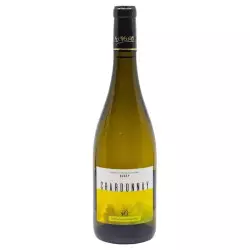
- Chardonnay (unoaked): from Burgundy or the Mâconnais, it combines richness and freshness.
- Sylvaner: lively and herbaceous, it pairs beautifully with tangy pickles.
- Loire Valley Sauvignon Blanc: with its notes of boxwood and fresh fruit, it brightens up the creamy cheese and cuts through the richness.
A red wine can also work, provided it meets the same criteria: good acidity (preferably wines from northern France or Savoy) and light, subtle fruitiness. With red wine, be careful to avoid overly tannic wines (Bordeaux, Languedoc-Roussillon, Provence, southern Côtes du Rhône) as the tannins will clash with the richness of the cheese and create an unpleasant paste in the mouth. There are, however, a few exceptions, like Corsican red wines made from the Sciaccarellu grape or light red wines from Languedoc made with Cinsault. These floral, light-bodied reds have delicate tannins that respect the cheese and a lovely aromatic profile to accompany charcuterie.
Our Selection Wine and Raclette : wines from independent winemakers, at the estate price. See the selection →
The Best Wine Appellations to Pair with Raclette
For raclette, as with many food and wine pairings, one rule always applies. Whether red or white, local pairings often work best. A Savoyard dish will always pair well with Savoyard wines.
WHITE WINES
When it comes to raclette, think Savoy. And when it comes to Savoy, think... Roussette de Savoie! What could be better than a local white wine to accompany this hearty seasonal dish? Its light character and low alcohol content make it perfect for a harmonious pairing with the cheese, whose richness is elevated by the wine's freshness and lively aromas. We also recommend other appellations such as a Cheverny from the Loire Valley, an Entre-Deux-Mers from Bordeaux, or a Mâcon-Villages from Burgundy. All these wines offer the advantage of fresh acidity and subtle fruit that will marry elegantly with the cheese and lighten each bite.
In addition to the French appellations mentioned above, look beyond the borders. Swiss wines from the Valais region offer a fascinating palette for raclette, perfect for a successful local food and wine pairing! The local star is Petite Arvine: its nose of candied citrus, its lively attack, and a slight saline texture work wonders with melted cheese.
RED WINES
And if you want to experiment with red wine, stay in the same region. Although more famous for its white wines, Savoy also produces quality reds. We recommend a 100% Mondeuse cuvée, the region's flagship grape, whose silky tannins and great length will pair beautifully with the charcuterie and potatoes...
We also suggest other varieties, wines that prioritize fruitiness and freshness, such as Pinot Noir from Alsace, Trousseau from the Jura, or Gamay from Beaujolais. These grape varieties all offer low tannin levels, high acidity, and subtle fruit.
By enhancing your raclette with dry white wines from various grape varieties, from Switzerland’s Petite Arvine to Loire Valley Sauvignon Blanc, not forgetting the ever-reliable Roussette de Savoie, you turn this friendly winter meal into a true culinary experience.
Follow these tips and order the perfect bottle now on Avenue des Vins! Whether you prefer a dry white wine or a light red, you’ll easily find the ideal cuvée to elevate your raclette evenings!
Our Selection Wine and Raclette : cuvées chosen from the winemakers, with no middleman. See the selection →
FAQ - Wine and raclette
Can you serve a tannic red wine with raclette?
It is best avoided. Tannins in a powerful red, such as Bordeaux, Languedoc-Roussillon, Provence or southern Côtes-du-Rhône, clash with the richness of melted cheese and leave a pasty sensation on the palate. A light, low-tannin red works better.
What temperature should white wine be served at for raclette?
A dry white chosen for raclette is best served chilled, around 46 to 50 degrees Fahrenheit. Too cold and the aromas get muted, too warm and the cheese's richness feels heavier.
Do you need a wine from Savoy to pair with raclette?
Not necessarily, even though the local pairing with Roussette de Savoie works well. Other regions offer whites with comparable acidity, such as a Loire Valley Cheverny, a Bordeaux Entre-Deux-Mers or a Burgundy Mâcon-Villages.
How many bottles should you plan for a raclette dinner?
Plan roughly one bottle of dry white wine for every three to four guests at a raclette dinner, given how filling the dish is and how long the meal tends to last.
Does champagne pair well with raclette?
A brisk, dry sparkling wine can work as a starter thanks to its freshness, but it tends to fade against the cheese over a long meal. A still dry white remains the safer choice for the whole dish.