Delivery from €16,90 per winemaker in Europe (excluding the United Kingdom)


AOC Entre-deux-Mers
Located in the south-western quarter of France, the Bordeaux vineyards are renowned for their fine wines. Among its many appellations is the AOC Entre-deux-Mers, which produces white wines and stretches between the Garonne and Dordogne rivers. It's a vast territory, with numerous terroirs and predominantly clay-limestone soils. Made with the white grape varieties of the Bordeaux region, Sauvignon being the most common, these wines are dry, fresh and fruity, and are generally drunk young.
Filtrer
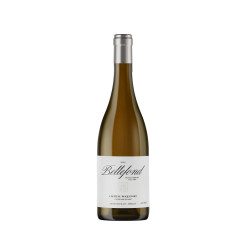


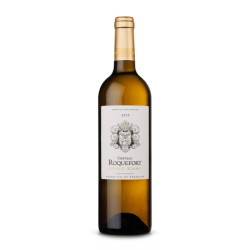


Entre-deux-Mers: Dry Whites Between Two Rivers
Located between the Dordogne and Garonne rivers, from which it gets its name "Entre-deux-Mers" (Between Two Seas), this Bordeaux appellation has been recognized since 1937. It is one of the largest vineyards producing white wines in Bordeaux, known for its quality, expressive, and accessible wines.
Climate and Terroir of the AOC Entre-deux-Mers
Climate
The Bordeaux vineyard, and more specifically the Entre-deux-Mers area, enjoys a temperate oceanic climate with mild winters and hot summers, contributing to the perfect maturation of the grapes.
Soils
The soils of the AOC Entre-deux-Mers are primarily composed of limestone, marl, and clay, ideal for the cultivation of white grape varieties such as Sauvignon Blanc.
Key Grape Varieties of the AOC Entre-deux-Mers
The AOC Entre-deux-Mers is mainly known for its dry white wines, which are lively and fruity, made from typical Bordeaux white grape varieties:
- Sauvignon Blanc: Provides vivacity and aromas.
- Sémillon: Adds structure and roundness.
- Muscadelle: Contributes floral notes.
Style of AOC Entre-deux-Mers Wines
Appearance
Light gold color with green highlights.
Aroma
The nose reveals citrus aromas (lemon, grapefruit), exotic fruits (passion fruit), and floral notes.
Palate
On the palate, these wines are known for their freshness, fruitiness, and well-balanced character. While these white wines are generally lively and light, their style can vary depending on the terroir and the château.
Serving Temperature
10-12 °C
Aging Potential
2 to 5 years (although some wines can age longer depending on the château and the vintage).
Best Food Pairings with a Wine from AOC Entre-deux-Mers
The white wine of Bordeaux AOC Entre-deux-Mers is very versatile in terms of food pairings. Here are some recipe ideas that pair wonderfully with a bottle from a domain or château in AOC Entre-deux-Mers white:
- Seafood: Shellfish, oysters
- Fresh Goat Cheese
- Quinoa Salad or Tabbouleh
- Asparagus with Vinaigrette
- Mussels Marinière
Entre-deux-Mers Red Wine: What the 2025 Rules Change
For almost ninety years, the Entre-deux-Mers name applied only to white wine. A 1924 court ruling in Libourne had granted it to both the whites and the reds of the plateau, but the 1937 decree kept only the whites, and in 1953 the appellation was narrowed to dry whites. Red grapes took over most of the vineyard in the 2000s, so those wines were sold under another label, such as AOC Bordeaux.
A French government order dated September 19, 2025, brings them into the appellation. An Entre-deux-Mers red is mostly a blend of Merlot, Cabernet Sauvignon and Cabernet Franc, sometimes with Petit Verdot, Côt (Malbec) or Carmenère, the same grapes as other Bordeaux red wines. These reds are described as round, full and structured, deep purple when young, with red and sometimes black fruit and a minty note.
For you, the clearest change is timing. An Entre-deux-Mers red cannot be released to consumers before January 1 of the second year after harvest, so a red picked in 2026 waits until January 2028. That window leaves room for aging, which is generally long. Dry whites are not bound by this date and can reach the market sooner.
Entre-deux-Mers Wine: Your Questions Answered
How much sugar is in a white Entre-deux-Mers?
A white Entre-deux-Mers has no more than 4 grams of sugar per liter, so it is a dry wine by appellation rule. Its whites have had to be dry since 1953. The reds admitted in 2025 also have a cap, set at 3 grams per liter.
What does Haut-Benauge mean on an Entre-deux-Mers label?
Haut-Benauge on an Entre-deux-Mers label means the white wine was grown, made and finished within eight villages defined by the appellation. They are Escoussans, Gornac, Ladaux, Mourens, Porte-de-Benauge, Saint-Pierre-de-Bat, Soulignac and Targon. Allowed since 1955, it appears right after the appellation name. Reds cannot use it.
What does aging on the lees do for a white Entre-deux-Mers?
Aging on the lees gives a white Entre-deux-Mers a rounder, richer palate. It has been mandatory since 2025: the wine stays on its lees, the spent yeast left after fermentation, until November 15 following the harvest.
Is white Entre-deux-Mers a blend?
Yes, white Entre-deux-Mers blends at least two main grapes from Sémillon, Sauvignon Blanc, Sauvignon Gris and Muscadelle. Since 2025, no single main grape may exceed 80% of the wine. Colombard and Ugni Blanc, the secondary grapes, can make up as much as 30% of the blend.
Where can I buy Entre-deux-Mers wine direct from the winemaker?
You can buy AOC Entre-deux-Mers wine direct from the winemaker on Avenue des Vins. Each bottle is shipped by the producer who made it, with no middleman.
See also: AOC Graves Wine - AOC Cadillac Côtes de Bordeaux - AOC Loupiac