Delivery from €16,90 per winemaker in Europe (excluding the United Kingdom)


Rosé wines and white meats
Rosé wines are delicious with white meats, offering a harmony of freshness and lightness. Their acidity and fruity aromas perfectly complement dishes such as roast chicken or grilled turkey. This alliance is ideal for summer meals, bringing a friendly, gourmet touch to every bite. Pork and veal have their rosé too: a pale, light wine when the meat is served cold, and a deeper, more structured rosé when it comes out of the oven. The wine's region is a good guide, from the pale rosés of Provence to the dark clairets of Bordeaux.
Filtrer


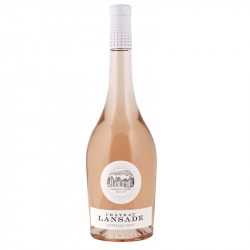

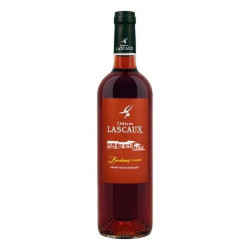


Served Cold or Fresh from the Oven: White Meat and Its Rosé
With white meat, how you serve it already points to the right rosé. Served cold, as a terrine or in slices, it calls for a pale, dry rosé such as a Côtes de Provence. Roasted and golden, it can take a deeper-colored rosé, a Bordeaux clairet or a Fronton rosé. The wine's blend then narrows the choice.
Cold Chicken and Terrines: Pale Rosé from Provence
The Côtes de Provence appellation rules describe rosés with a pale pink color and cap their sugar at 4 g/l, which makes them dry wines, with a structure balanced between roundness and liveliness.
Their freshness suits white meat served cold, when the seasoning matters more than the pan juices: cold tarragon chicken, a chicken terrine with pistachios, or sliced roast veal with a green herb sauce. Save deeper-colored rosés for hot dishes.
Cinsault, Grenache, Syrah: Let the Blend Guide the Pairing
On a rosé's product page, the blend gives you a lead. The Côtes de Provence rules credit Cinsault with finesse and elegance, Grenache and Tibouren with alcohol and roundness, and Syrah with fruity aromas.
A Cinsault-led rosé suits poached chicken breast or turkey fillet with herbs, where the meat stays delicate. Rounder Grenache goes with roast chicken thighs or pork sautéed with onions. Syrah brings more pronounced fruit, useful with a cumin or ginger marinade.
Many rosés from southern France, such as Languedoc rosés, blend these three grapes: when the product page lists the proportions, use them to choose.
Bordeaux Clairet and Fronton Négrette: Rosés for Golden-Brown Meat
In Bordeaux, the term “clairet” is reserved for dark rosés made only from the appellation's red grapes, such as the two Cabernets and Merlot. The rules describe an intense color, a fuller, more wine-like palate than other rosés and a longer finish.
North of Toulouse, the Fronton appellation requires Négrette as the main grape, at least 40% of the blend. According to its rules, its rosés range in color from lychee to raspberry and are meant to be enjoyed young.
These deeper-colored rosés stand up to the browned juices of an oven-roasted pork tenderloin, a veal roast with caramelized onions or an herb-crusted rack of pork. Next to these dishes, a very pale rosé would taste thin.
Other Bordeaux rosés, from pale pink to a deeper pink, offer a middle ground: with a pan-seared veal cutlet, for example.
Rosé and White Meat: Questions from the Table
What rosé goes with veal saltimbocca?
With veal saltimbocca, serve a dry, fresh rosé from Provence or the Languedoc. It goes with the sage and cured ham without covering the delicate veal. The ham brings salt and the sage a strong aroma, so a fruity rosé with no noticeable tannin keeps the dish in balance.
Which rosé should you pick for roast pork?
For roast pork served hot, choose the rosé by its seasonings. With garlic and rosemary, serve a round, fruity Grenache rosé from southern France; with honey or prunes, an even fruitier rosé. Served cold the next day in slices, the roast welcomes a pale, dry rosé.
What rosé goes with preserved lemon chicken?
With preserved lemon chicken, serve a dry, crisp rosé from Provence or the Languedoc: its acidity answers the gentle bitterness of the preserved peel. Roasted with garlic and thyme, the golden chicken welcomes a slightly deeper-colored rosé.
Where can you buy rosé for white meat direct from the winemaker?
You can buy rosé for white meat direct from the winemaker on Avenue des Vins. Your order ships straight from the producer, with no middleman.
See also: White wines and white meat - Rosé wine and red meat - Rosé wines and fish