Delivery from €16,90 per winemaker in Europe (excluding the United Kingdom)


Rosé Wines from the Languedoc
Languedoc rosé wines charm with their generous fruitiness and natural freshness: Grenache, Cinsault, and Syrah are blended to create expressive, vibrant rosés that are perfect for aperitifs, grilled meats, and summer Mediterranean cuisine. Discover our Languedoc red wines and Languedoc white wines as well. A Languedoc AOC rosé is always a blend of at least two grape varieties, while more than 90% of IGP Pays d’Oc output, across all colors, is varietal wine. Rosé makes up 20% of the appellation’s production, and only two of its sub-appellations, Cabrières and Saint-Saturnin, make it under their own name; in Cabrières, Cinsault goes from an accessory grape in Languedoc AOC rosé to a principal one.
Filtrer


Commanderie Saint Pierre La Garrigue - Cru d'Exception Rosé
Domaine de Marmorières Languedoc Roussillon
€16.00
- Bio
- HVE


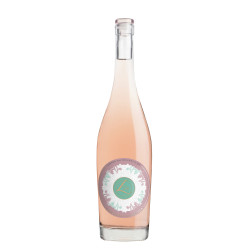


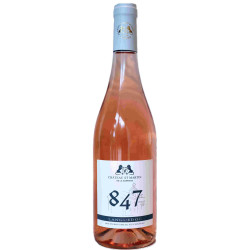


Cabrières and Saint-Saturnin: Two Languedoc Rosé Terroirs
Languedoc rosé wine perfectly embodies the sun-drenched, Mediterranean spirit of the region. Colorful, fruity, and generous, it stands apart from the pale rosés of Provence with a more intense and expressive character, driven by southern grape varieties, Grenache Noir, Cinsault, Syrah, and Mourvèdre.
In a vineyard bathed in sunlight and shaped by Mediterranean winds, Languedoc rosé has established itself as one of the most expressive summer wines in the French wine landscape.
Produced under the Languedoc AOC or in specific appellations such as Minervois, Corbières, or Cabardès, Languedoc rosé comes in a wide range of styles from pale and light rosés to fuller, fruit-forward expressions, with colors ranging from salmon pink to raspberry hues that reflect the richness of its grape varieties.
On Avenue des Vins, our selection of Languedoc rosé wines is available through a short supply chain, directly from the estates. Each bottle is shipped by the winemaker, ensuring freshness, authenticity, and fair pricing.
Grape varieties of Languedoc rosé
Languedoc rosé is almost always a blend, built around two or three complementary Mediterranean grape varieties.
Grenache Noir and Cinsault: the pillars of Languedoc rosé
Grenache Noir is the dominant grape in most Languedoc rosés. It brings warmth, roundness, and generous aromas of ripe strawberry, raspberry, white peach, and pink flowers. Cinsault, lighter and more delicate, plays a balancing role: it adds freshness, pale color, and crisp red fruit aromas that lighten Grenache’s richness.
Syrah and Mourvèdre: structure and complexity
Syrah, when vinified as rosé, reveals a different profile than in red wines, more floral and fruity, with notes of violet and raspberry. It adds structure and length to blends. Mourvèdre, less common in rosé, contributes depth and aromas of garrigue, lavender and thyme, giving Languedoc rosés their distinctive Mediterranean character. Carignan may also be used to bring color and spicy notes to more expressive blends.
The Languedoc terroir: sun, garrigue, and sea breeze
Languedoc enjoys one of the highest levels of sunshine in France, with over 300 sunny days per year. The ever-present garrigue, rosemary, thyme, lavender, and holm oak, infuses the wines with its characteristic aromatic signature.
Sea breezes and the Tramontane winds cool summer nights, preserving the natural acidity of the grapes and the freshness of the rosés.
The diversity of terroirs, limestone, sandstone, schist, and alluvial soils, creates a wide range of rosé styles: paler and more mineral on limestone, fruitier and rounder on clay soils, and spicier and more intense on schist.
Styles of Languedoc rosé
Pale and fresh rosé: the modern style
Many Languedoc estates now produce pale rosés made by direct pressing or very short maceration, in a style similar to Provence rosés. These delicate wines, with pale pink to salmon hues, offer subtle aromas of white peach, flowers, and citrus, with a lively and refreshing palate. Ideal as an aperitif or with light dishes, they are best enjoyed well chilled between 8 and 10°C.
Fruity and generous rosé: the Languedoc signature
More typical of the region, these fruit-forward rosés, ranging from deep pink to raspberry, are made through short maceration of Mediterranean grape varieties. They fully express the generosity of the terroir: vibrant aromas of ripe red fruits, a round and warm palate, and a long aromatic finish. This style pairs perfectly with summer meals and grilled dishes.
Food and wine pairings: what to eat with a Languedoc rosé?
Languedoc rosé is the natural companion to southern cuisine and outdoor dining.
As an aperitif, it pairs beautifully with Mediterranean tapas: marinated anchovies, olives, tapenade, sun-dried tomatoes, pissaladière, and crostini. At the table, it complements grilled meats, lamb skewers, ratatouille, summer pizzas, Niçoise salad, and fish baked in foil.
More generous than its Provençal counterpart, Languedoc rosé can also handle more flavorful dishes: light chicken curry, lamb tagine, grilled chorizo, and merguez sausages.
With cheese, it pairs perfectly with fresh or lightly aged goat cheeses such as Pélardon or crottin and young sheep’s milk cheeses. Each bottle in our selection is shipped directly from the winery to guarantee optimal freshness.
How to choose your Languedoc rosé?
To choose a Languedoc rosé, first identify the style you are looking for. For a pale and delicate aperitif rosé, look for a cuvée made by direct pressing, with a dominance of Cinsault or Grenache. For a fruitier and more generous rosé to accompany a meal, opt for a short maceration wine dominated by Grenache or Syrah.
Vintage freshness is key: Languedoc rosés are best enjoyed within 1 to 2 years after harvest. Buying through a short supply chain on Avenue des Vins ensures access to recent vintages, shipped directly from the winery without long storage periods.
FAQ: Everything you need to know about Languedoc rosé
Which grape varieties are used in Languedoc rosé?
The main grape varieties are Grenache Noir, Cinsault, Syrah, Mourvèdre, and Carignan. Most rosés are blends, with Grenache and Cinsault forming the dominant duo.
What is the difference between a Languedoc rosé and a Provence rosé?
Both regions use similar grape varieties such as Grenache, Cinsault, and Syrah, but styles differ. Provence rosés are generally paler, more delicate, and lighter, often made by direct pressing. Languedoc rosés are typically more colorful, fruitier, and more generous, with a stronger Mediterranean expression.
Is Languedoc rosé always dry?
The vast majority of Languedoc rosés are vinified dry, with no residual sugar. They are fresh, fruity, and gastronomic wines, yet dry on the palate.
Which Languedoc rosé should you choose for an aperitif?
For an aperitif, choose a pale and light rosé dominated by Cinsault, served well chilled between 8 and 10°C. Its lightness and fresh red fruit aromas make it an ideal opening wine.
Can Languedoc rosé be aged?
Languedoc rosé is best enjoyed within 1 to 2 years of the vintage to preserve its aromatic freshness. It is not designed for long-term aging.
Does Languedoc produce organic rosé wines?
Yes, Languedoc is one of the French regions with the highest number of certified organic estates. The dry and sunny climate naturally limits vine diseases, encouraging sustainable and organic viticulture.
Why buy Languedoc rosé on Avenue des Vins?
Avenue des Vins offers Languedoc rosés directly from producers. The wines are selected from committed winemakers, often organic, and shipped directly from their cellars, ensuring vintage freshness, full traceability, and fair pricing.
Where can you buy Languedoc rosés direct from the winemaker?
You can buy Languedoc rosés direct from the winemaker on Avenue des Vins. Each wine’s page names the producer who made it.
See also: Our rosés from Provence - AOC Crémant de Limoux - AOC Corbières Wine