Delivery from €16,90 per winemaker in Europe (excluding the United Kingdom)


Wines Rosé from Bordeaux
Bordeaux rosé wines come in two distinct styles: Bordeaux Rosé, which is fresh and fruity, and Bordeaux Clairet, which is deeper in color and more structured two expressions of Merlot and Cabernet Franc, perfect for aperitifs and summer meals. Discover our Bordeaux white wines and Bordeaux red wines as well.
Filtrer


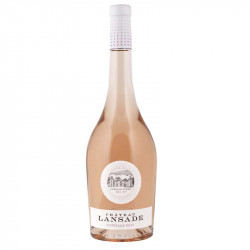

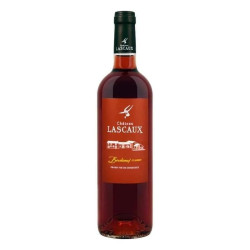




Rosé Bordeaux and Clairet: two unique AOC wines available directly from the producer
Bordeaux rosé is one of the most underrated wines of the Bordeaux vineyard. In a region renowned for its great red wines and exceptional sweet wines, Bordeaux rosé occupies a discreet yet authentic place.
Made from the same grape varieties as Bordeaux’s great red wines Cabernet Sauvignon, Merlot, Cabernet Franc, Malbec, and Petit Verdot Bordeaux rosé offers a fresh, fruity, and elegant expression of the Bordeaux blend.
Bordeaux stands out for a unique feature: the existence of two distinct AOCs for its rosé wines. The Bordeaux Rosé AOC produces light and fresh wines, while the Bordeaux Clairet AOC offers a deeper-colored, fruitier, and more structured style, halfway between rosé and light red.
On Avenue des Vins, our selection is available through a short supply chain, directly from the producers’ cellars, ensuring freshness, traceability, and fair pricing.
Grape varieties of Bordeaux rosé and clairet
These wines are made from Bordeaux red grape varieties, vinified with shorter maceration to achieve their specific profiles.
Cabernet Sauvignon, Merlot, and Cabernet Franc: the Bordeaux trio
Merlot brings roundness and aromas of strawberry, raspberry, and cherry. Cabernet Sauvignon structures the wine with notes of blackcurrant and redcurrant. Cabernet Franc adds freshness and floral finesse, with hints of violet and raspberry.
Malbec and Petit Verdot: character-driven varieties
Malbec enhances color and brings dark fruit aromas. Petit Verdot enriches blends with intense floral notes and a distinctive aromatic signature.
Two unique AOCs: Bordeaux Rosé and Bordeaux Clairet
Bordeaux Rosé AOC: freshness and lightness
These wines are produced through short maceration or direct pressing. Their color ranges from pale pink to deeper rosé. They offer aromas of red fruits and a fresh, smooth, and refreshing palate perfect for aperitifs or summer meals.
Bordeaux Clairet AOC: a unique signature
Made with longer maceration (24 to 36 hours), clairet displays a deeper color and more structure. It develops aromas of ripe red fruits, spices, and sometimes subtle woody notes.
A descendant of the medieval “claret” exported to England, it is a true gastronomic wine that remains largely underappreciated.
The Bordeaux terroir and its influence
The Bordeaux vineyard extends across diverse soils, gravel, clay-limestone, sand, and silt, under a temperate oceanic climate. This diversity allows for a wide range of expressions.
Rosé and clairet are produced throughout the region. The style depends primarily on the winemaker’s expertise and blending choices.
Food and wine pairings: what to eat with Bordeaux rosé or clairet ?
- Bordeaux rosé: aperitif, charcuterie, tapas, salads, light fish dishes
- Bordeaux clairet: white meats, pizzas, pasta, warm charcuterie, cheeses
Clairet, being more structured, allows for broader pairings, while rosé remains ideal for light and summery occasions.
How to choose your Bordeaux rosé or clairet ?
- Light aperitif: Bordeaux rosé
- Structured meal: Bordeaux clairet
- Roundness: Merlot-dominant blends
- Freshness and structure: Cabernet Sauvignon-dominant blends
The vintage also influences style: warm years produce generous wines, while cooler years result in fresher, more vibrant profiles.
Buying through a short supply chain on Avenue des Vins gives access to authentic cuvées directly from winemakers.
FAQ Everything you need to know about Bordeaux rosé and clairet
Which grape varieties are used in these wines ?
Cabernet Sauvignon, Merlot, Cabernet Franc, Malbec, and Petit Verdot.
What is the difference between rosé and clairet ?
Rosé is lighter and paler, made with short maceration. Clairet is darker, more structured, with longer maceration.
Where does the term “clairet” come from ?
It originates from the light Bordeaux wines exported to England during the Middle Ages, which gave rise to the term still used today for Bordeaux wines.
Are these wines dry ?
Yes, both AOCs produce dry wines with no residual sugar.
What food pairs well with clairet ?
White meats, light stews, charcuterie, and pressed cheeses.
Can they age ?
Rosé is best consumed within 1 to 2 years. Clairet can age 2 to 4 years for the best cuvées.
Why buy from Avenue des Vins?
The wines are offered directly from producers, ensuring freshness, traceability, and access to often rare and authentic cuvées.