Delivery from €16,90 per winemaker in Europe (excluding the United Kingdom)


Rosé wine and red meat
Rosé wine can also be enjoyed with red meat, especially when it is full-bodied and structured. Its fruity aromas and freshness perfectly balance the intense flavours of grilled beef, lamb or marinated kebabs. For a successful match, opt for a powerful rosé, such as a Tavel or Bandol. Find out how to pair rosé wine with your red meat recipes for a tasty meal.
Filtrer


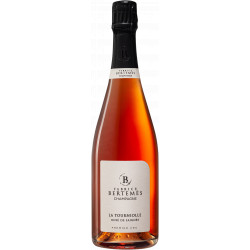




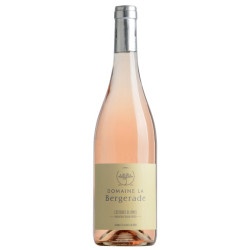


Camargue Bull, Sisteron Lamb: Rosé at the Table
Rosé holds its own with red meat when the cut is lean, quickly seared or served cold. Look at the plate first: a simply grilled piece lets the rosé's fruit come through, while a slow-cooked red wine sauce can bury it. Here, the cooking method and what comes with the meat matter more than the color of the meat.
Two Meats with Protected Names from Rosé Country
The rules for Taureau de Camargue, a protected designation of origin (PDO), describe a meat that is uniformly dark red, firm, low in fat and very lightly marbled. The animals, of the di Biòu or Brave breeds, are at least 18 months old.
They are born, raised outdoors and slaughtered in an area bounded by the Crau plain, the Lunel coastal plain and the Costières de Nîmes. This lean meat goes well with a deep-colored, fresh rosé from the same region, served with a grilled cut.
Agneau de Sisteron, a protected geographical indication (PGI), is young, light lamb, born and raised in Provence on open grazing land, from hardy local ewe breeds such as the Mérinos d'Arles. Its meat is pale pink and is often served with carrots, eggplant or zucchini. A dry, fruity Côtes de Provence rosé matches this delicate meat without taking over.
Chinon's Cabernet Franc, Made as Rosé
In Chinon, rosés are made from Cabernet Franc, which may be blended with Cabernet Sauvignon, capped at 10% of the vineyard planting. Locally, Cabernet Franc goes by the nickname "Breton": it arrived by traveling up the Loire from Nantes. Rosé accounts for only 8% of the appellation's volume.
The appellation rules describe a generally medium-deep color and often fresh aromas of red and white fruit, sometimes lifted by a hint of citrus or pepper. That peppery note works with a flank steak or rib-eye seared on the grill. Keep this rosé for quick cooking: a cut braised in sauce calls for a red Chinon instead.
The Next Day: Red Meat Served Cold
Cold roast beef sliced thin with mustard and pickles, or leftover garlic-roasted leg of lamb, makes a summer meal where rosé fits right in. Pick one that is crisp, with enough acidity to stand up to the mustard and the vinegar in the pickles.
With the lamb, a Provence rosé follows the garlic and herbs. With the beef, a deeper-colored rosé, from Cabernet Franc or Syrah, stands up better to the red meat. If tapenade or a roasted pepper sauce comes with the cold platter, pour a fuller rosé, such as a Tavel.
Rosé with More Red Meat Dishes
What rosé goes with lamb meatballs and mint?
With lamb meatballs and mint, choose a pale, fresh rosé, made from Cinsault or Grenache for instance. Mint calls for freshness, and simply pan-fried ground lamb keeps a mild flavor. If a yogurt sauce comes with the meatballs, the rosé's acidity matches it.
Can a rosé Champagne go with red meat?
A rosé Champagne goes with red meat that is lightly cooked and thinly sliced, such as roast beef tenderloin carved into slices. Choose a brut with a fairly deep color and clean fruit. Save red wine sauces and braised dishes for a fuller still rosé.
What rosé goes with Thai beef salad?
With a Thai beef salad, choose a fresh, fruity rosé with a fairly deep color, such as a Grenache or Syrah rosé. Lime, fish sauce and fresh herbs call for crispness. If the chili takes over, go for a rosé that is moderate in alcohol, which won't add to the burn.
Where can you buy rosé for red meat direct from the winemaker?
You can buy rosé for red meat direct from the winemaker on Avenue des Vins. The wine comes to you directly from the producer who made it.
See also: Red wines and red meats - Rosé wines and fish - Rosé wines for the barbecue