Delivery from €16,90 per winemaker in Europe (excluding the United Kingdom)


Very Sweet & Sweet
Sweet wines are rich, sugar-laden wines obtained through the overripening of grapes, often thanks to noble rot or grape drying (passerillage). They offer intense aromas of candied fruit, honey and sometimes flowers, revealing a particularly silky texture on the palate. Perfect alongside desserts, blue cheeses or even exotic dishes, they are best enjoyed slowly, as an aperitif or to close a meal. Among the most iconic appellations are Sauternes in Bordeaux and Jurançon in the South-West, two historic terroirs of the style. You can also browse our full selection of sweet wines for gentler food pairings.
Filtrer




- HVE


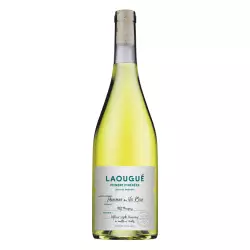



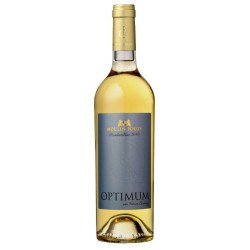


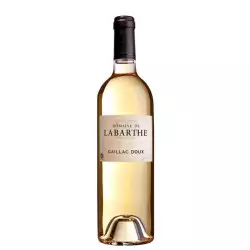

Sweet & Dessert Wines
Sweet and dessert wines are a true invitation to softness and elegance. Prized for their aromatic richness and silky texture, these wines are perfect for unique tasting moments, whether served as an aperitif, with dessert, or alongside sweet-savoury food pairings. Sweet and dessert white wines are often made from late-harvested grapes, allowing for a natural concentration of sugars and aromas.
What is a sweet or dessert wine ?
An off-dry white wine has a subtle balance between sugar and acidity, with a moderate residual sugar level (between 10 and 45 grams per litre) that gives it a gentle sweetness without being overly sugary. Dessert wines, on the other hand, are richer and more concentrated in sugar (over 45 grams per litre), offering a velvety texture and remarkable aromatic complexity. These wines are often made from noble grape varieties such as Sémillon, Chenin Blanc or Muscadelle, and are produced at the heart of renowned appellations such as Sauternes, Monbazillac or Jurançon. Their production relies on late harvests, sometimes picked berry by berry, which demand particular patience and skill from the winemaker, work that partly explains why these wines often command a higher price per glass than a dry wine.
The best occasions to enjoy a sweet or dessert wine
Sweet and dessert wines pair beautifully with a wide variety of dishes. During the Christmas season, they are often served alongside foie gras, where their sweetness balances the richness of the dish. These wines also elevate fruit-based or cream-based desserts, and pair elegantly with blue-veined cheeses such as Roquefort. A sweet or dessert white wine also stands beautifully on its own as an aperitif, where its aromas of candied fruit, honey and spice awaken the palate. At Avenue des Vins, we offer a wide selection of sweet and dessert wines sourced directly from the estate of your choice. Whether you're looking for a dessert white wine from Sauternes, Loupiac or Monbazillac, discover our best value cuvées. When it comes to serving, an off-dry wine is best enjoyed between 8 and 10°C, while a richer dessert wine benefits from being served slightly cooler, around 6 to 8°C, to preserve the balance between sugar and acidity. When properly stored, these wines often improve over several years, with some of the great dessert wines capable of ageing for several decades.
Good to know about sweet and dessert wines
Aromatic profile
Candied fruit (apricot, quince), honey, candied citrus and sometimes floral or spiced notes depending on the grape variety and appellation. The texture is silky, almost syrupy for the great dessert wines such as Sauternes.
Candied fruit (apricot, quince), honey, candied citrus and sometimes floral or spiced notes depending on the grape variety and appellation. The texture is silky, almost syrupy for the great dessert wines such as Sauternes.
Ideal pairings
Foie gras, blue-veined cheeses (Roquefort), fruit-based or cream-based desserts, and certain richly spiced exotic dishes (sweet-savoury Asian cuisine).
Foie gras, blue-veined cheeses (Roquefort), fruit-based or cream-based desserts, and certain richly spiced exotic dishes (sweet-savoury Asian cuisine).
Best occasions
Aperitif, end of meal, festive celebrations, original sweet-savoury food pairings. A dessert wine can also be enjoyed on its own, slowly, like a dessert in itself.
Aperitif, end of meal, festive celebrations, original sweet-savoury food pairings. A dessert wine can also be enjoyed on its own, slowly, like a dessert in itself.
Frequently asked questions about sweet and dessert wines
What is noble rot and why does it allow dessert wines to be made ?
Noble rot is caused by a fungus, Botrytis cinerea, which develops on ripe grapes under specific conditions of morning humidity followed by afternoon warmth. Unlike ordinary grey rot, it shrivels the grape without destroying it, concentrating sugar, aromas and glycerin. This phenomenon, notably found in Sauternes or on Alsace's Sélection de Grains Nobles wines, gives dessert wines their characteristic richness and aromatic complexity.
How long does an opened bottle of dessert wine keep ?
A dessert wine keeps significantly longer than a dry white wine once opened, typically between 5 and 10 days in the fridge if properly resealed. Its high sugar concentration and elevated alcohol level naturally slow down oxidation. To best preserve its aromas, store it cool, away from light, and reseal the bottle immediately after each pour.
Why are dessert wines more expensive than dry white wines ?
The higher price of dessert wines comes from very low yields: noble rot doesn't develop evenly across the vineyard, forcing winemakers to make several successive passes through the vines, picking berry by berry or bunch by bunch. This selective harvesting method requires considerable manual labour for a very small final juice volume, which explains the higher production cost and selling price compared to a classic dry wine.
What is the most famous dessert wine ?
Sauternes, produced in the Bordeaux region, is widely considered the most iconic dessert wine thanks to its international reputation and its blend of Sémillon, Sauvignon and Muscadelle grapes affected by noble rot. Other appellations are equally prized among enthusiasts, such as Jurançon in the South-West, Monbazillac, Loupiac, or Alsace's Sélection de Grains Nobles and Vendanges Tardives wines.
Does dessert wine contain more alcohol than dry wine ?
Not necessarily. A dessert wine is typically between 12.5% and 14% ABV, close to the level of a classic dry white wine. The sweetness of the starting grapes mostly translates into residual sugar that isn't converted into alcohol during fermentation, rather than a higher alcohol level. This is what distinguishes a dessert wine from a fortified wine like Port, where added spirit pushes the final alcohol level above 15%.
How do you recognise a good dessert wine ?
A good dessert wine is defined by the balance between its sweetness and its acidity: a great dessert wine should never taste cloying, as the grape's natural acidity offsets the sugar richness. Colour, ranging from golden to amber with age, and a lingering finish marked by candied fruit, honey or spice, are also signs of quality. Terms like Grand Cru, Sélection de Grains Nobles or Vendanges Tardives generally indicate a more demanding grape selection.
Is a dessert wine the same as a fortified sweet wine ?
No, these are two different categories. A dessert wine gets its sugar richness solely from the natural overripening of the grape (noble rot, late harvest or grape drying), with no additions. A fortified sweet wine such as Muscat de Rivesaltes or Maury is made through mutage: neutral spirit is added during fermentation to stop the process, preserving more sugar and pushing the final alcohol level to between 15% and 18%.
Can you drink a dessert wine as an aperitif ?
Yes, and this is in fact a traditional practice in some producing regions. Served well chilled, a young and lively dessert wine works very well as an aperitif, particularly alongside foie gras toasts or blue-veined cheeses. For this purpose, lighter and less evolved cuvées are generally preferred over great ageworthy vintages, whose richness is better appreciated at the end of a meal or with dessert.
What are the benefits of dessert wine enjoyed in moderation ?
Like all wines, dessert wine contains polyphenols, natural antioxidants from the grape, which can help fight oxidative stress when consumed reasonably. Its aromatic richness naturally encourages slow, mindful tasting in small quantities, focused on pleasure rather than volume. As with any alcoholic beverage, any potential benefits only apply within the context of moderate, occasional consumption.
Should a dessert wine be decanted before serving ?
It isn't essential, but it can benefit younger or more concentrated dessert wines, which often gain in aromatic finesse after a light 20 to 30 minute aeration in a decanter. Great ageworthy vintages, on the other hand, can be more fragile when exposed to oxygen and are often best enjoyed straight from the bottle, immediately after opening.