Delivery from €16,90 per winemaker in Europe (excluding the United Kingdom)


Grape varieties and regions
Discover the richness of France's wine regions and the iconic grape varieties that make each terroir famous. From the powerful reds of Bordeaux to the delicate whites of Burgundy, the sunny rosés of Provence and the sparkling wines of Alsace, each region offers a unique experience. Each grape variety, from Merlot to Chardonnay, Syrah to Sauvignon Blanc, brings its own identity and character to the wines. Explore our selection to understand how climate, soil and winemaker expertise combine to create wines with varied aromatic profiles. Take a journey through France's winemaking diversity and discover bottles that capture the very essence of their regions of origin and their characteristic grape varieties. Among our single-variety selections, explore the 100% Viognier, floral and sun-drenched, the 100% Chenin, vibrant and mineral, the 100% Grenache, generous and spiced, and the Languedoc Pépites, characterful cuvées from one of France's most dynamic wine regions.
Filtrer




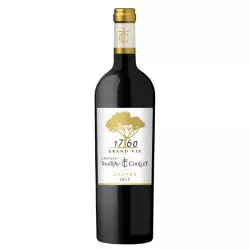
Les Vignobles de Maxime - Tourteau Chollet, Grand Lartigue, Ferrand Lartigue
Bordeaux
€34.00

Les Vignobles de Maxime - Tourteau Chollet, Grand Lartigue, Ferrand Lartigue
Bordeaux
€34.00








Learn more about grape varieties and wine regions
The great French wine regions and their emblematic grape varieties
France offers the greatest diversity of grape varieties and terroirs in the world. Each wine region has built its identity around one or several dominant varieties, shaped by centuries of viticultural expertise and unique climatic conditions.
In Bordeaux, Merlot and Cabernet Sauvignon produce powerful, structured red wines with aromas of blackcurrant, cedar and tobacco. The dry whites of Pessac-Léognan, made from Sauvignon Blanc and Sémillon, offer rare complexity. In Burgundy, Pinot Noir produces the world's finest red wines, fine, elegant and aromatically precise. Chardonnay from Chablis, Meursault or Puligny-Montrachet reaches exceptional levels of minerality and tension. In Provence, Grenache, Syrah and Mourvèdre blend to produce rosés of remarkable finesse and freshness. In Alsace, Riesling, Gewurztraminer and Pinot Gris deliver dry whites with an aromatic expressiveness found nowhere else in France. In the Languedoc, Grenache, Syrah, Carignan and Mourvèdre produce characterful cuvées, often from old vines, at very accessible prices.
Understanding grape varieties to choose your wine
A grape variety is a type of vine whose grapes are used to produce wine. In France, hundreds of varieties are cultivated, but a handful dominate production and have built the worldwide reputation of French wines.
The most emblematic red grape varieties: Cabernet Sauvignon, tannic, structured, aromas of blackcurrant and green pepper, is the king of Bordeaux and age-worthy wines. Merlot, supple, fleshy, fruity, brings roundness and accessibility. Pinot Noir, delicate, elegant, with aromas of cherry and undergrowth, is the soul of Burgundy. Syrah, spicy, peppery, intense, dominates the Rhône Valley and the Languedoc. Grenache, generous, full-bodied, fruity, is the backbone of the great Châteauneuf-du-Pape cuvées.
The most sought-after white grape varieties: Chardonnay, mineral in Chablis, buttery in Meursault, fruity in the Mâconnais, is the world's most versatile white variety. Sauvignon Blanc, lively, aromatic, with citrus and boxwood notes, is the signature of Sancerre and Pouilly-Fumé. Chenin Blanc, mineral, vibrant, with exceptional ageing potential, is the soul of the Loire. Viognier, floral, apricot, white peach, is the most fragrant expression of the northern Rhône. Alsatian Riesling, dry, mineral, of rare aromatic precision, is one of the world's greatest white varieties.
Terroir: what makes every wine unique
Terroir is the combination of natural factors, soil, subsoil, climate, exposure, altitude, that influence the character of a wine. Two vines planted with the same variety will produce radically different wines if they grow on different terroirs. This is what winemakers call "the expression of place".
The chalky soils of Burgundy and Champagne give wines their minerality and tension. The gravels of Bordeaux drain water and warm the roots to produce ripe, structured tannins. The schists of the Languedoc and Roussillon produce concentrated, spicy wines. The rounded pebbles of Châteauneuf-du-Pape store heat and promote the ripeness of Grenache. At Avenue des Vins, every product page specifies the parcel origin, soil type and aromatic profile, so you can choose with complete confidence.
Frequently asked questions about grape varieties and wine regions
What are the main French red grape varieties ?
The most widely cultivated red varieties in France are Merlot (dominant in Bordeaux), Grenache (Rhône, Languedoc, Provence), Syrah (northern Rhône, Languedoc), Cabernet Sauvignon (Bordeaux, South-West), Pinot Noir (Burgundy, Alsace, Champagne) and Carignan (Languedoc). Each expresses distinct aromas, tannin structure and ageing potential depending on the terroir.
What are the main French white grape varieties ?
The great French white varieties are Chardonnay (Burgundy, Champagne, Jura), Sauvignon Blanc (Loire, Bordeaux), Chenin Blanc (Loire), Viognier (northern Rhône), Riesling and Gewurztraminer (Alsace), Grenache Blanc and Roussanne (Rhône, Languedoc). France offers the greatest diversity of white grape varieties in the world.
What is the difference between a single-variety wine and a blended wine ?
A single-variety wine is made 100% from one grape variety, a 100% Viognier or a 100% Chenin Blanc, for example. A blended wine combines several varieties to create a more complex and balanced profile, this is the Bordeaux tradition (Merlot + Cabernet) or the Rhône approach (Grenache + Syrah + Mourvèdre). Both approaches can produce wines of exceptional quality.
How do I choose a wine based on grape variety ?
Start by identifying your preferred style: fruity and supple → Merlot or Grenache. Structured and tannic → Cabernet Sauvignon or Syrah. Delicate and elegant → Pinot Noir. Mineral and fresh → Chablis Chardonnay or Chenin Blanc. Floral and aromatic → Viognier or Gewurztraminer. Every product page on Avenue des Vins specifies the grape variety, aromatic profile and suggested pairings.
Which French wine region produces the best red wines?
There is no single answer, each region excels in a different style. Burgundy produces the world's most elegant and complex Pinot Noirs. Bordeaux delivers the most structured age-worthy wines. The northern Rhône (Hermitage, Côte-Rôtie) produces Syrahs of remarkable intensity. The Languedoc offers unbeatable value for money on varieties such as Grenache, Syrah and Carignan.
What is the Languedoc as a wine region ?
The Languedoc is France's largest wine region, stretching from Nîmes to Perpignan. Long associated with table wines, it has undergone a remarkable quality revolution over the past twenty years, driven by a new generation of independent growers. Its varied terroirs, schists, limestone, pebbles, and exceptional sunshine produce powerful, fruity and spicy wines from Grenache, Syrah, Mourvèdre and Carignan, often from old vines.
What is the Viognier grape variety ?
Viognier is a white variety from the northern Rhône, Condrieu and Château-Grillet are its flagship appellations. It is distinguished by intense aromas of white peach, apricot and white blossom. Vinified dry, it produces rich, full-bodied and fragrant whites. Discover our 100% Viognier cuvées selected from independent growers.
What is the Chenin Blanc grape variety ?
Chenin Blanc is the soul of the Loire, Vouvray, Savennières, Anjou. It is one of the world's most versatile white varieties: it produces mineral dry wines, floral off-dry wines and great dessert wines with exceptional ageing potential. Its natural freshness and acidity make it one of the longest-lived white varieties in the world. Explore our 100% Chenin cuvées from passionate growers.
Why buy wines directly from the grower ?
Buying directly from an independent grower gives you access to confidential cuvées, unavailable in supermarkets, at prices without négociant margins. At Avenue des Vins, every bottle is selected directly from the producer, you are buying the cuvée of a grower who knows every plot of their terroir intimately, not an industrial blend.