Delivery from €16,90 per winemaker in Europe (excluding the United Kingdom)


Wine Cellar of the Month for October
October is the moment autumn truly takes hold: in the cellars, winemakers draw the first conclusions from the vintage; on our tables, slow-cooked dishes and aged cheeses come back into their own. Our October cave du mois embraces the season with a resolutely autumnal selection, wines of character built on Syrah, an orange wine from Corbières, a Blanquette de Limoux, and organic cuvées from committed winemakers, shipped directly from each estate, with no middleman.
Filtrer


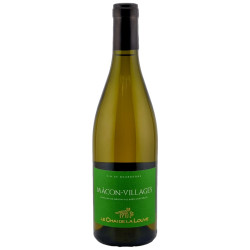


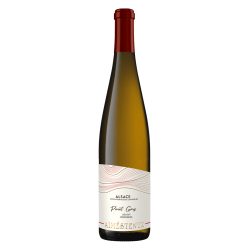
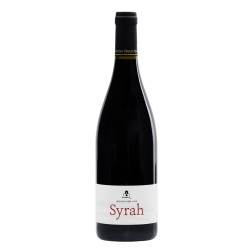
October Wines: Reds for Slow-Cooked Dishes and Game
October, the month of Syrah and wines built to last
In the French vineyard, October is the month of the winery. Grapes harvested in September begin their vinification, the first vats ferment, and the winemakers of Languedoc, Provence and the Rhône craft wines in their own image, generous, spiced, built to accompany long autumn evenings. It is also the month when Syrah speaks with the greatest candour: black pepper aromas, jammy dark fruits, rounded tannins and a long, velvety finish. A grape variety made for seasonal dishes, slow-cooked lamb, feathered game, pressed-rind cheeses.
For this October cave du mois, our selection team drew on the richness of the South-West, the Rhône Valley and Languedoc to put together a palette of ambitious reds, complemented by wines of character, a historic sparkling wine and a rarity: an orange wine from Corbières, produced by extended skin-contact maceration. A cave that thinks outside the box, true to our direct producer philosophy.
Orange wine, Blanquette de Limoux, Jurançon: the hidden gems of the October selection
What sets the October cave du mois apart is the boldness of certain choices. The orange wine, made like a red but from white grapes, through skin maceration, brings a tannic texture and singular oxidative aromas: dried orange peel, spices and nuts. It is a fast-growing category, championed by natural wine enthusiasts and curious sommeliers alike.
Blanquette de Limoux also deserves attention: it is one of the oldest sparkling wines in the world, produced in the Aude département from Mauzac, a local grape variety with characteristic green apple notes. Less well-known than champagne, it offers a festive and sincere alternative, reflecting a unique Languedoc terroir. As for Jurançon, this sweet white from the Pyrenean foothills finds its place at the end of a meal alongside foie gras, Roquefort or an autumn fruit tart. On Avenue des Vins, all these cuvées are available through direct producer sales, with a large proportion of certified organic and biodynamic estates.
FAQ: Cave du mois d'octobre
What is an orange wine and how should it be served ?
An orange wine is made from white grapes vinified like a red wine: the skins remain in contact with the juice for several days or weeks, a technique known as skin-contact maceration. This process extracts tannins, pigments and aromas that give the wine its amber colour and distinctive texture. It is best served slightly chambré (14–16°C), alongside aged cheeses, cured meats or spiced dishes.
What is the origin of Blanquette de Limoux ?
Blanquette de Limoux is considered one of the world's oldest sparkling wines, produced in the Aude (Languedoc) as far back as the 16th century, well before Champagne. It is made primarily from Mauzac, a local grape variety with green apple and quince aromas, using the traditional method of secondary fermentation in the bottle. It holds its own AOC designation, championed by Languedoc winemakers proud of their heritage.
Why is Syrah the ideal grape variety for autumn ?
Syrah produces powerful, spiced red wines, black pepper, black olive, jammy red and dark fruits, that pair naturally with the rich flavours of autumn: roasted meats, game, mushrooms and characterful cheeses. Its tannins, often firm in youth, soften over time to yield velvety, complex wines. It is the defining grape of the northern Rhône (Hermitage, Côte-Rôtie) and one of the pillars of Languedoc viticulture.
What is Jurançon and what foods does it pair with ?
Jurançon is an AOC appellation from the Pyrenean foothills in Béarn (South-West France). It produces two styles: a dry Jurançon, lively and aromatic, and a sweet Jurançon, made from grapes left to dry on the vine in October, concentrated by the warm föhn winds. The sweet style develops aromas of apricot, pineapple and warm spices. It pairs beautifully with foie gras, Roquefort, fruit tarts or exotic fruit-based desserts.
How do you choose a red wine to match a slow-cooked autumn dish ?
For a slow-cooked dish, beef stew, daube, braised pork cheek, look for a structured red with softened tannins and good acidity to carry the length of the meal. The Syrah, Grenache and Merlot-based reds in the October cave du mois are particularly well suited. Serve between 16 and 18°C, and if possible open the bottle an hour before serving to let the wine breathe and fully express itself.
Where can you buy the October selection wines direct from the grower?
On Avenue des Vins, you buy the October selection wines direct from the grower. Every bottle is shipped by the estate that made it, with no middleman, and delivered to your door.
Explore also: Autumn wines - Wine Cellar of the Month for November - Wine cellars of the month