Delivery from €16,90 per winemaker in Europe (excluding the United Kingdom)


AOC Côtes de Bourg
Located in the south-western quarter of France, the Bordeaux wine region is renowned for its exceptional wines. Among its many appellations is the AOC Côtes de Bourg. It lies on the right bank of the Gironde estuary, 35 kilometres north of Bordeaux, across some fifteen villages of hillsides and valleys. Its red wines are built on Merlot, joined by Cabernet Sauvignon, Cabernet Franc and Malbec, unusually well represented in this appellation. Discover our Côtes de Bourg direct from the grower, shipped from the estate cellar.
Filtrer


- Bio
- Vegan
- Biodynamic





Côtes de Bourg: Grape Varieties, Terroir and Food Pairings
History of the AOC Côtes-de-Bourg Appellation
Located in the heart of the Bordeaux region, the AOC Côtes-de-Bourg, sometimes simply referred to as “Bourg” or “Bourgeais,” has a winemaking history that dates back to Roman times. Officially recognized in 1936, this appellation, bordering the Dordogne and Garonne rivers, is sometimes nicknamed the “Little Switzerland of the Gironde” due to its hilly terrain. Although less publicized than some of its Bordeaux neighbors, the AOC Côtes-de-Bourg offers red and white wines with excellent value for money.
A Historic Vineyard on the Right Bank
The Côtes de Bourg appellation lies just 35 km north of Bordeaux and is one of the oldest vineyards in the Gironde, with a history going back to the 2nd century. Planted on hillsides overlooking the Dordogne and the Garonne, it enjoys a striking panorama, a microclimate that is sunnier and drier than the rest of Bordeaux, and a mix of sandy-clay and starfish-limestone soils. It is this combination of climate and terroir that gives Côtes de Bourg wines their structure, their aromatic depth and their consistency from one vintage to the next.
How AOC Côtes-de-Bourg Wines Are Made
Côtes de Bourg red wines are carefully crafted blends of classic Bordeaux grape varieties, led by Merlot and joined by Cabernet Sauvignon, Malbec and Cabernet Franc. Some cuvées are vinified with no added sulphites, to keep the fruit and the terroir as pure as possible. A number of estates work organically or biodynamically, which adds to the authenticity of the appellation's reds. The result: rounded, approachable wines with supple tannins that hold their own against far more famous names on the right bank of the Gironde.
Climate and Terroir of the AOC Côtes-de-Bourg Appellation
Côtes de Bourg sits on a distinctive terroir of mixed soils — clay, starfish limestone and gravel. The climate here is sunnier and drier than in the Médoc, which allows the grapes to ripen fully. These conditions give these Bordeaux wines their deep colour, their aromatic fruit and their balanced structure — the signature of a Côtes de Bourg red.
- Climate: The temperate oceanic climate of the region benefits from the regulating influence of the adjacent rivers, allowing optimal ripening of the grapes.
- Soils: The AOC Côtes-de-Bourg benefits from a variety of soils, mainly composed of clay, limestone, and gravel, which gives the wines great finesse and complexity.
Key Grape Varieties of the AOC Côtes-de-Bourg
The appellation draws on a broad palette of grapes, mostly red: Merlot, Cabernet Sauvignon, Cabernet Franc and Malbec (Côt), with Sémillon, Colombard, Ugni Blanc, Sauvignon Blanc, Sauvignon Gris and Muscadelle for the whites. Many red wines here are Merlot-led, bringing fruit and roundness, while the appellation's whites show freshness and lift. That range of grapes is what gives the wines their aromatic complexity.
The AOC Côtes-de-Bourg offers blended wines with the main grape varieties being:
- Merlot (red wine)
- Cabernet Sauvignon (red wine)
- Cabernet Franc (red wine)
- Malbec or Côt (red wine)
- Colombard (white wine)
- Ugni Blanc (white wine)
- Sémillon (white wine)
- Sauvignon Blanc (white wine)
- Sauvignon Gris (white wine)
- Muscadelle (white wine)
Style of AOC Côtes-de-Bourg Wines
- Red wine: Deep ruby red colour with purplish hues. The aromatic palette develops notes of ripe red fruits, spices, and sometimes hints of wood or vanilla. Structured, round, and full-bodied on the palate, AOC Côtes-de-Bourg red wines offer silky tannins and a long finish.
- Dry white wine: Pale yellow colour with green highlights. The nose reveals aromas of white flowers, citrus, and white-fleshed fruits. The rare AOC Côtes-de-Bourg white wines are fresh, opulent, and harmonious on the palate.
Featured Côtes de Bourg Wines on Avenue des Vins
Among the wines available direct from Côtes de Bourg growers, look out for:
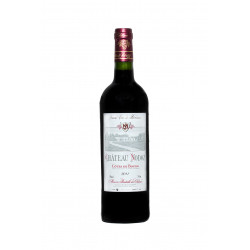
- Château Nodoz - Cuvée Vieilles Vignes 2021: a powerful Merlot- and Cabernet-led blend, firmly structured, with oak and ripe fruit, a textbook red from this appellation.
- Château Galau - Cuvée Fût 2023: elegant and fresh, with red fruit and vanilla, showing the finesse of the terroir.
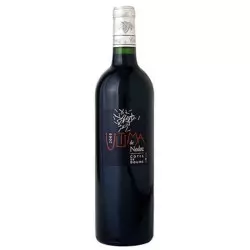
- Origines Ter Pointe (Tutiac): rich and spicy, Malbec-led, rooted in the Gironde's cooperative tradition and one of the most representative Côtes de Bourg reds.
Neighbouring well-known appellations such as Saint-Émilion and Entre-deux-Mers, Côtes de Bourg stands out as an authentic and affordable alternative that combines tradition and diversity. On the same right bank, Blaye Côtes de Bordeaux shares the same clay-limestone hillsides, while Fronsac and Castillon Côtes de Bordeaux continue eastwards in the same spirit: Merlot-led reds at accessible prices.
Meet the Growers
Estates such as Château Nodoz embody what the Côtes de Bourg appellation does best: carefully made reds with supple tannins, round and fruity. The Tutiac cooperative (behind Origines Ter Pointe) shows the breadth of the vineyard, working its terroirs collectively while adopting modern, low-impact practices.
Best Food and Wine Pairings with AOC Côtes-de-Bourg Wines
Structured and generous, Côtes de Bourg reds are made for grilled ribeye, duck breast or a homemade burger. The appellation's rare whites — fresh and floral — work beautifully with gizzard salad, monkfish in sauce or veal paupiettes. These are pairings that put Côtes de Bourg where it belongs: at the centre of the table.
Here are some tips for ideal food and wine pairings with a bottle from an estate or château in AOC Côtes-de-Bourg, whether white or red:
- Red wine: Grilled beef ribeye, duck breast, homemade burger
- Dry white wine: Gizzard salad, monkfish stew, veal paupiettes
Frequently Asked Questions about AOC Côtes de Bourg
What grape varieties are used in AOC Côtes de Bourg?
Côtes de Bourg wines are blends. The reds are led by Merlot, supported by Cabernet Sauvignon, Cabernet Franc and Malbec (also called Côt). The whites are built on Sémillon, Sauvignon Blanc, Sauvignon Gris, Colombard and Muscadelle. Merlot is what gives the reds their fruit and roundness.
Where is the Côtes de Bourg vineyard located?
The vineyard lies on the right bank, 35 kilometres north of Bordeaux, across around fifteen hillside villages. It enjoys a microclimate that is sunnier and drier than the rest of Bordeaux, on sandy-clay and starfish-limestone soils.
Is Côtes de Bourg a red or a white wine?
AOC Côtes de Bourg is overwhelmingly a red wine appellation. Dry whites exist but remain rare: pale yellow with green highlights, a nose of white flowers, citrus and white-fleshed fruit, fresh and harmonious on the palate.
What food goes well with Côtes de Bourg?
With a red — structured and generous: grilled ribeye, duck breast, homemade burger. With a dry white — fresh and floral: gizzard salad, monkfish in sauce, veal paupiettes.
When was the AOC Côtes de Bourg created?
The appellation was officially recognised in 1936, but vines have grown here since Roman times — the vineyard's history goes back to the 2nd century, making it one of the oldest in the Gironde.
Why is Côtes de Bourg called the “Little Switzerland of the Gironde”?
The nickname comes from the rolling landscape of the Bourgeais: hillsides overlooking the Dordogne and the Garonne, a valley scenery unusual in Bordeaux that gives the area a striking panorama.