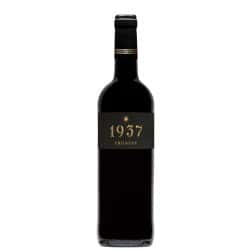
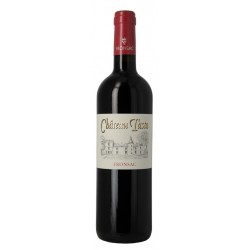
Located in the south-western quarter of France, the Bordeaux vineyards are renowned for their great wines. The AOC Fronsac appellation covers some 850 hectares in 6 communes to the west of Libourne, two of which have their own specific appellation: Fronsac and Saint-Michel-de-Fronsac. Combined with Cabernet Franc and Cabernet Sauvignon, Merlot dominates the production of this AOC, whose wines are balanced and tannic, with aromas of red fruits and spices.
Filtrer
AOC Fronsac: Everything You Need to Know About the Wines from This Appellation
Located on the right bank of the Dordogne River, in the heart of the Bordeaux wine region, the Fronsac appellation is one of the historic AOCs of the Libournais area. Known for their characterful, full-bodied and fruity red wines, Fronsac wines appeal to enthusiasts looking for a Bordeaux red wine with a strong personality, offering excellent value for pleasure, often more accessible than neighboring appellations such as Saint-Émilion or Pomerol.
History of the AOC Fronsac appellation
Nestled in the heart of the Bordeaux wine region, the Fronsac vineyard has held a special place in the history of Bordeaux wines for centuries. Cultivated since Roman times, the hill of Fronsac and the surrounding slopes were long a strategic area on the route between Bordeaux and Paris. Over the centuries, the nobility and great families of the Libournais shaped a landscape of châteaux and wine estates.
Officially recognized in 1937, the AOC Fronsac is now renowned for its full-bodied and elegant red wines with an excellent quality-to-price ratio.
Climate and terroir of the AOC Fronsac appellation
Benefiting from a temperate oceanic climate typical of the Bordeaux vineyard, the Fronsac terroir enjoys warm summers, relatively mild winters, and the direct influence of the Dordogne River. These conditions allow for slow and even ripening of the grapes, ideal for producing Fronsac red wines that are concentrated, fruity, and well balanced.
The AOC Fronsac appellation is also renowned for its clay-limestone and clay-gravel soils, often located on well-exposed slopes. This terroir, sometimes marked by Fronsadais molasse, provides excellent drainage and forces the vine to send its roots deep into the soil. The result: red wines with a pronounced tannic structure, endowed with fine freshness and a true right-bank typicity.
The essential grape varieties of the AOC Fronsac appellation
Merlot, the king grape variety of the Bordeaux vineyard, dominates the blends, bringing roundness, finesse, and fruity aromas to the wines. It is often complemented by two other typically Bordeaux grape varieties: Cabernet Franc and Cabernet Sauvignon, which add structure and complexity to AOC Fronsac red wines.
This complementarity makes it possible to create both supple and fruity cuvées, accessible in their early years, as well as deeper, more concentrated wines built for several years of aging.
Some winegrowers also incorporate a small proportion of Malbec (Côt), which enhances color and enriches the aromatic profile with nuances of black fruits and spices. This blending choice contributes to the diversity and strong personality of Fronsac wines.
The style of AOC Fronsac wines
Eye
Deep ruby-red color, generally intense, with purplish highlights in its youth. Over time, it evolves toward deeper garnet hues, reflecting the wine’s natural evolution and aging potential.
Nose
A rich and expressive bouquet marked by aromas of red and black fruits (blackcurrant, cherry, raspberry, blackberry), often complemented by notes of plum, licorice, and sweet spices. With time, Fronsac red wines develop more complex nuances of undergrowth, leather, blond tobacco, or coffee, reflecting their fine evolution in the bottle.
Mouth
Full-bodied and structured, the palate stands out for its generous substance and pronounced tannic structure, generally well integrated. The tannins soften over the years to offer a more velvety texture, while retaining fine freshness. The finish, often long and aromatic, reinforces the distinguished character of AOC Fronsac red wine and makes it an ideal companion for terroir dishes and red meats.
Serving temperature
16°–18°C, after possible aeration or decanting for the youngest vintages or the most structured wines.
Aging potential
5 to 15 years, or even longer for certain châteaux and vintages, which then gain in aromatic complexity and harmony.
The best food and wine pairings with an AOC Fronsac wine
Thanks to their tannic structure, aromatic richness, and notes of red and black fruits, Fronsac wines are ideal companions for characterful dishes and regional cuisine. They pair particularly well with grilled red meats, dishes in sauce, and slow-cooked meals that call for a full-bodied red wine.
Here are our tips for creating the best food and wine pairings with a bottle of red wine from an AOC Fronsac estate or château:
- Aged ribeye steak grilled: the wine’s aromatic power perfectly matches the grilled flavors and the melting texture of the meat.
- Duck breast: the combination of the savory flesh of the duck and the red fruit and spice notes of a Fronsac works wonderfully.
- Lamb shank in its own jus: a long-simmered dish, ideal for showcasing the tannic structure and aromatic depth of the wine.
- Coq au vin: this great classic of French cuisine finds an ideal partner in a Fronsac wine, capable of accompanying the aromatic depth and richness of the sauce without ever overpowering it.
- Venison stew: the aromas of black fruits, undergrowth, and spices in the wine harmonize very well with game dishes and reduced sauces.
In general, think of red meats, richly flavored dishes, and slow-cooked recipes when choosing a Fronsac wine: it will add even more depth to your festive meals as well as to your large convivial gatherings.
Why buy your Fronsac wine on Avenue des Vins?
Before choosing your next bottle, take the time to browse our selection of AOC Fronsac red wines: here, you buy your wines directly from independent winegrowers on the right bank.
On Avenue des Vins, each Fronsac cuvée is tasted and selected for its identity, tannic structure, and pleasure-to-price ratio, far from overly publicized labels. Your bottles are stored at the château until ordered, then shipped from the estate: a true short supply chain that guarantees freshness, traceability, and respect for the winegrower’s work.
Whether you are looking for a Fronsac wine to accompany a fine cut of beef, a slow-cooked dish, or a large convivial table, let yourself be guided by our online wine merchant’s advice and discover, in just a few clicks, the gems of the AOC Fronsac appellation available for direct sale.
Frequently asked questions about Fronsac red wines
What criteria should be considered when choosing a Fronsac wine?
To choose well, start by looking at the vintage and the style described in the product sheet: some wines are described as more fruity and approachable, others as denser and more structured. Then rely on the aroma descriptions (red and black fruits, spices, discreet oak…) and food pairing recommendations.
If you are unsure, the ideal option is to choose several different cuvées in the same order in order to compare flavors and tannins across estates.
Fronsac and Canon-Fronsac: are they the same appellation?
The two AOCs are often mentioned together, but they are not exactly the same appellations. Fronsac and Canon-Fronsac share a common base of terroirs, particularly around the Fronsac hill, with well-exposed slopes. The two appellations mainly differ in their specifications and in certain more restricted production areas.
For wine lovers, the interest lies in discovering the two appellations side by side: Fronsac red wines on one side, Canon-Fronsac on the other, to compare their profiles and tannins.
How should a Fronsac wine be stored at home?
To keep your wine in good condition, choose a dark place with a stable temperature, protected from vibrations. A cellar or a wine cabinet allows the tannins to gradually soften and the aromas to gain depth. Avoid overly warm or bright rooms: the wine’s typicity and aging potential would suffer.
If you purchase several bottles from the same château, the ideal approach is to open one from time to time to follow the evolution of the vintage and decide when to drink the wine at the moment you enjoy it most.