Delivery from €16,90 per winemaker in Europe (excluding the United Kingdom)


AOC Bugey
The Controlled designation of origin (AOC) Bugey is a small designation, as well for its size as for its production volume. Located on the lower slopes of the Jura Mountains, it benefits from a location that softens the winter temperatures and tempers the strong summer heat with good rainfall. The wines that are produced there are white ones made of Chardonnay, Altesse, Molette, and Jacquère, and red ones made of Gamay, Pinot Noir, and Mondeuse. The area is also known for its sparkling wine, the Cerdon, whose bubbly is obtained by using the ancestral method. Rosé still and sparkling wines are also produced there.
Filtrer

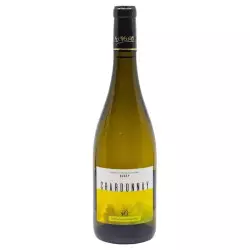


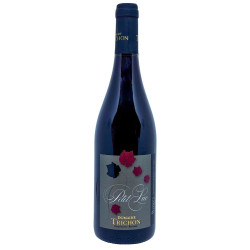

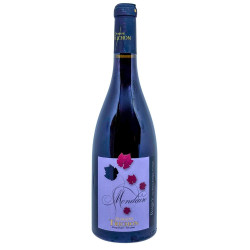
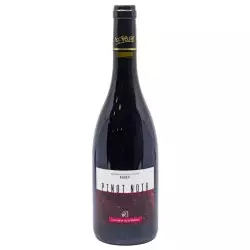

Bugey: Marl, Limestone and Stony Soils
In Bugey, forest covers the ridges and much of the slopes. The vines grow in clearings that mostly face south, and they often stay hidden until the last bend of a valley. In 2023, the appellation had about 450 hectares (some 1,100 acres) of vines, across an area of 61 villages.
Belley, Montagnieu, Cerdon: Where Bugey’s Vines Grow
In the south, the Belley basin runs from the Colombier massif down to the Rhône. There, the appellation takes in well-exposed hillsides with free-draining soils: limestone and marl, molasse, glacial moraines or old river deposits. Gamay, Pinot Noir and Chardonnay make supple, lively wines on these hills. To the west, the small Manicle sector sits on limestone scree.
To the southwest, the Montagnieu vineyard follows the right bank of the Rhône. Its south-facing hillsides drop steeply toward the river, on thin clay-limestone soils and fine scree. Growers have planted mostly Mondeuse there, a demanding grape that needs a steady water supply. Like every red in AOC Bugey, Montagnieu reds come from one grape alone.
In the northwest, the terrain turns rugged. Vines grow there on steep limestone and marl slopes facing south or west. Around Cerdon, Gamay and Poulsard do well in these cool sites: their grapes keep the acidity that balances Cerdon’s sweetness.
History of the AOC Bugey Appellation
Nestled between the Jura Mountains and Savoie, the AOC Bugey, recognized since 2009, has deep viticultural roots dating back to Antiquity. Despite its small size, this confidential appellation, renowned for its Cerdon, also produces high-quality wines, including reds, whites, and rosés, reflecting the diversity of its terroirs and grape varieties.
Climate and Terroir of the AOC Bugey Appellation
Climate: Benefiting from an oceanic climate with continental influences, Bugey experiences harsh winters and hot summers.
Soils: The vineyards of Bugey rest on a wide variety of soils, ranging from marl to limestone and rocky soils, offering a beautiful palette of nuances to the wines of the appellation.
The Iconic Grape Varieties of the AOC Bugey Appellation
The AOC Bugey produces white and rosé wines, vinified as single-variety wines or blends, and single-variety red wines. The vineyard of Bugey has a multitude of grape varieties, the main ones being:
- Gamay (red and rosé wine)
- Mondeuse (red and rosé wine)
- Pinot Noir (red and rosé wine)
- Poulsard or Ploussard (rosé wine)
- Chardonnay (white wine)
- Roussette (white wine)
- Aligoté (white wine)
- Altesse or Roussette (white wine)
- Jacquère (white wine)
- Molette (white wine)
Style of AOC Bugey Wines
Red Wine: Deep ruby red color with purple reflections. The nose evokes notes of red fruits, cherry, spices, and even leather. While they remain fresh, AOC Bugey red wines
show amplitude and structure.
White Wine: Straw yellow color with amber highlights. The aromatic palette is generally marked by white flowers, apple, citrus, and sometimes toasted notes. The mouthfeel is lively, mineral, with a slightly mentholated finish.
Rosé Wine: Pale pink or more pronounced pink color, depending on the cuvées. The aromas of red berries, strawberry, and raspberry immediately stand out on the nose. These rosés are light and fruity on the palate with a beautiful liveliness.
Best Food Pairings with AOC Bugey Wines
Here are some recipe ideas to accompany a bottle of wine from an estate or château in AOC Bugey, whether white, rosé, or red:
Red Wine: Charcuterie, Morteau sausage, spit-roasted pork.
White Wine: Cheeses (Reblochon, Mont-d'Or), tartiflette, stuffed cabbage.
Rosé Wine: Summer salads, tapas.
AOC Bugey FAQ: Montagnieu, Bubbles and Altitude
Which wines can carry the Montagnieu name in AOC Bugey?
In AOC Bugey, the Montagnieu name is reserved for still reds made from Mondeuse and for white sparkling and semi-sparkling wines. These sparkling wines spend at least 12 months on their fine lees. All of them come from three villages in the Ain: Briord, Montagnieu and Seillonnaz.
How much of Bugey’s wine is sparkling?
About 60% of AOC Bugey wine is sparkling or semi-sparkling, Montagnieu and Cerdon included. The remaining 40% is still wine, mostly white, with the rest red and rosé. In 2023, average output was 22,500 hectoliters a year (about 594,000 gallons).
How high do Bugey’s vineyards grow?
Some Bugey vineyards climb above 500 meters (1,640 feet), on the steep northwestern slopes of the appellation and around Cerdon. The Grand Colombier, which peaks at 1,534 meters (5,033 feet), towers over the area. At these heights, the way each plot faces matters a great deal for ripening the grapes.
Where can you buy Bugey wine direct from the winemaker?
You can buy Bugey wine, sold by the producer, on Avenue des Vins. The wine comes to you directly from the producer who made it.
See also: AOC Roussette de Savoie - AOC Vin de Savoie - Red wines from Savoie