Delivery from €16,90 per winemaker in Europe (excluding the United Kingdom)

Château de Lavernette
Château de Lavernette, an organic Pouilly-Fuissé and Beaujolais estate since 1596: chardonnay and gamay, direct from the estate...
Lire plus

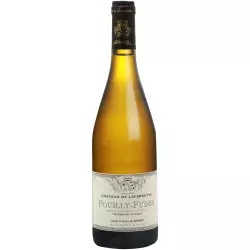


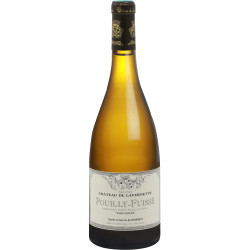


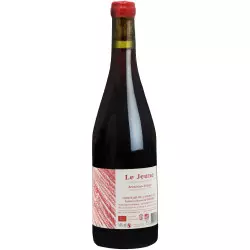

Discover Château de Lavernette in photos


Château de Lavernette - biodynamic wines between Mâconnais and Beaujolais
Chateau de Lavernette
A historic estate founded in 1596, on the border of the Maconnais and the Beaujolais (Chaintre and Leynes). 13 hectares in organic and biodynamic farming (AB and Demeter). Chardonnay (Pouilly-Fuisse, Macon-Villages) and Gamay (Beaujolais).
On the border between the Maconnais and the Beaujolais, Chateau de Lavernette embodies the harmony between history, tradition and innovation. Founded in 1596 and formerly owned by the monks of the Tournus abbey, this exceptional vineyard now stretches over unique terroirs that give birth to distinctive, living and elegant wines.
|
||
|
||
|
||
|
A family history for more than 12 generations
For four centuries, the estate has remained in the hands of the same family, today represented by the de Boissieu family. In the 1980s, Bertrand de Boissieu gave a new impetus to the vineyard, followed by his son Xavier and his wife Kerrie, passionate and visionary oenologists. Together, they embody the 13th generation of winegrowers and carry on a family heritage while opening the estate to the international scene.
Certified organic and biodynamic wines
The 13-hectare vineyard stretches over the villages of Chaintre and Leynes, benefiting both from the geological richness of the Maconnais and the typicity of the Beaujolais slopes. Since 2007, Chateau de Lavernette has been certified in organic and biodynamic farming (AB and Demeter), proof of its lasting commitment.
The vines, worked without herbicides or chemical fertilisers, follow the lunar calendar and benefit from meticulous manual care: pruning, leaf removal, green harvesting and picking at optimal ripeness.
Chardonnay and Gamay: the authentic expression of the terroirs
Chardonnay reveals here all the finesse of Macon-Villages and Pouilly-Fuisse, with straight, mineral and balanced white wines, with aromas of citrus and white flowers.
Gamay, the star of Beaujolais-Villages, expresses a fruity generosity and a natural elegance, offering supple reds with notes of cherry, raspberry and violet. Each cuvee reflects the identity of its terroir, enhanced by biodynamics.
An artisanal and sustainable philosophy
The winemaking is done on site in the rehabilitated old cellars, with respectful methods: natural fermentations, limitation of inputs, ageing adapted in vat or in oak barrels. The goal is clear: to create sincere, living wines that translate at once the vintage, the terroir and the passion of the winegrower.
The cuvees of Château de Lavernette
The Chardonnay whites: Pouilly-Fuisse, Bourgogne and Beaujolais white.
Pouilly-Fuisse Vers Chane
AOC Pouilly-Fuisse - white (Chardonnay)
A straight, mineral and balanced Chardonnay, with aromas of citrus and white flowers, on this emblematic Maconnais terroir.
Pouilly-Fuisse Maison du Villard
AOC Pouilly-Fuisse - white (Chardonnay)
A Pouilly-Fuisse of finesse, all in tension and purity, a signature of the estate's great whites.
Beaujolais Blanc Les Vignes de la Roche
AOC Beaujolais - white (Chardonnay)
A Beaujolais white from Chardonnay, fresh and floral, with a fine chiselled minerality.
Bourgogne Blanc
AOC Bourgogne - white (Chardonnay)
An accessible, luminous Burgundy Chardonnay, on citrus and white flowers.
The Gamay reds: Beaujolais-Villages, Beaujolais-Leynes and Saint-Amour.
Beaujolais-Villages
AOC Beaujolais-Villages - red (Gamay)
The Gamay, star of the Beaujolais: supple and indulgent, with notes of cherry, raspberry and violet.
Beaujolais-Leynes
AOC Beaujolais-Leynes - red (Gamay)
A terroir Gamay, fruity and elegant, an expression of the village of Leynes.
Saint-Amour Le Chatelet
AOC Saint-Amour - red (Gamay)
A Beaujolais cru all in finesse and indulgence, with silky tannins.
GRANIT
Vin de France - red (Gamay)
A Gamay cuvee on granite soils, vibrant and mineral, in biodynamics.
Maconnais and Beaujolais, in biodynamics, direct from the estate
French tradition and international openness
While Chateau de Lavernette remains deeply rooted in French winegrowing history, it now shines beyond our borders. Thanks to the experience of Kerrie, an oenologist graduated from the University of California Davis, and to the passion of Xavier, the biodynamic wines of Lavernette charm lovers of Burgundy wines as much as lovers of the Beaujolais around the world. The estate embodies the meeting of tradition, respect for nature and oenological excellence.
Would you rather discover the mineral Chardonnay of the Macon-Villages or the fruity, elegant Gamay of the Beaujolais-Villages of Chateau de Lavernette to enhance your meals?
Your questions about Château de Lavernette
Where is Chateau de Lavernette located?
The estate is located on the border between the Maconnais and the Beaujolais, across the villages of Chaintre and Leynes.
How long has Chateau de Lavernette existed?
Founded in 1596, formerly owned by the monks of the Tournus abbey, it has belonged to the same family for more than 12 generations.
Who runs Chateau de Lavernette?
The de Boissieu family; after the impetus given by Bertrand de Boissieu in the 1980s, his son Xavier and his wife Kerrie, oenologists, embody the 13th generation.
Is Chateau de Lavernette organic?
Yes: the estate has been certified in organic and biodynamic farming (AB and Demeter) since 2007.
What is biodynamics at Chateau de Lavernette?
Vines worked without herbicides or chemical fertilisers, following the lunar calendar, with meticulous manual care: pruning, leaf removal, green harvesting and picking at optimal ripeness.
Which grapes does Chateau de Lavernette grow?
Chardonnay, which reveals the finesse of Macon-Villages and Pouilly-Fuisse, and Gamay, the star of Beaujolais-Villages.
Which appellations does Chateau de Lavernette produce?
In white: Pouilly-Fuisse, Macon-Villages, Bourgogne and Beaujolais white; in red: Beaujolais-Villages, Beaujolais-Leynes and Saint-Amour.
What are the cuvees of Chateau de Lavernette?
In white: Pouilly-Fuisse Vers Chane and Maison du Villard, Beaujolais Blanc Les Vignes de la Roche, Bourgogne Blanc; in red: Beaujolais-Villages (including Le Jeune), Beaujolais-Leynes (including JADIS), Saint-Amour Le Chatelet, GRANIT and Le Bleu.
What is the style of the Lavernette whites?
Straight, mineral and balanced Chardonnays, with aromas of citrus and white flowers, enhanced by biodynamics.
What is the style of the Lavernette reds?
Supple and indulgent Gamays, with fruity generosity and natural elegance, with notes of cherry, raspberry and violet.
Which dishes pair with the Lavernette wines?
The Chardonnay whites with fish, seafood and goat cheeses; the Gamay reds with charcuterie, poultry and grills.
Where can you buy Chateau de Lavernette wines directly?
You can find the available cuvees here, direct from the estate, carefully shipped across France and Europe. The selection changes with the vintages.
Direct from the estate, between Maconnais and Beaujolais
Chateau de Lavernette - A historic estate (1596) between Maconnais and Beaujolais, in Chaintre and Leynes.
Organic and biodynamic (AB, Demeter) - Chardonnay (Pouilly-Fuisse) and Gamay (Beaujolais)