Delivery from €16,90 per winemaker in Europe (excluding the United Kingdom)

Unbeatable !
What Wine Should You Cook With? Choosing a Good Cooking Wine
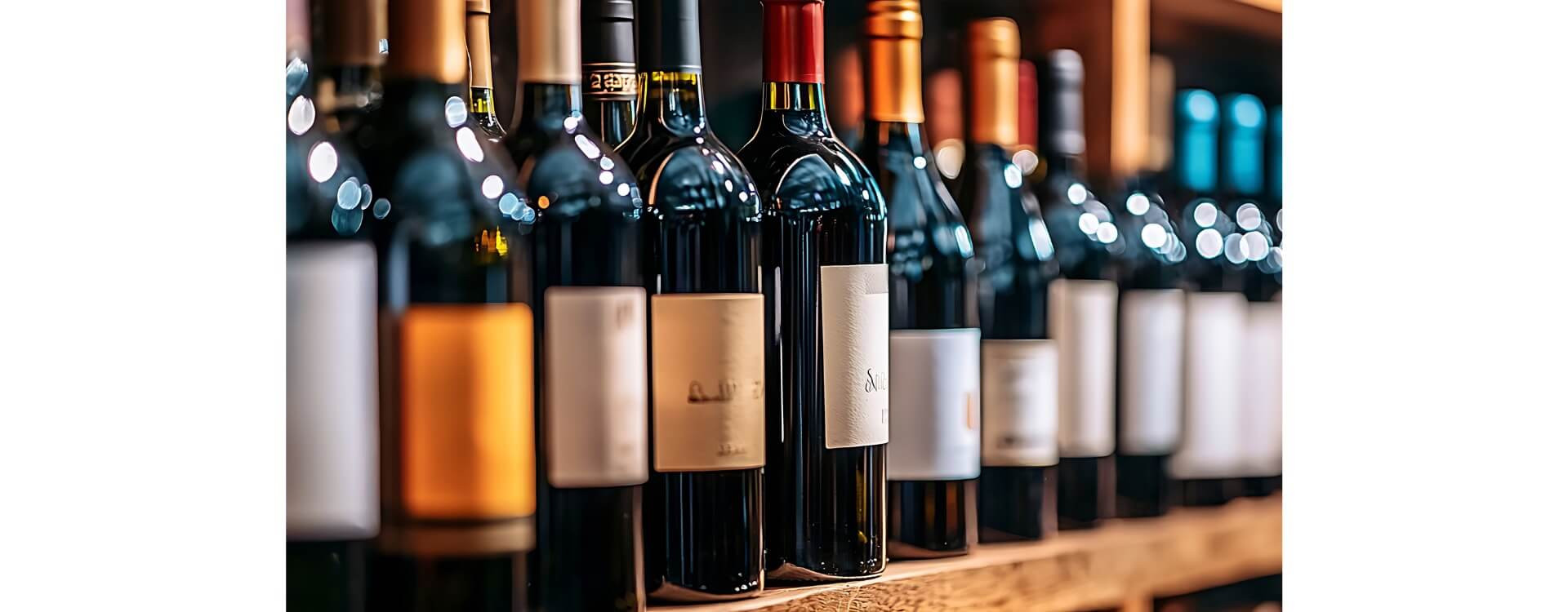
To cook with wine, pick a bottle you would happily drink: sound, clean, without heavy oak or firm tannins. There is no need to open a grand cru. A soft red for braises, a crisp dry white for sauces and fish, and you have the essentials.
Do You Need a Good Wine to Cook With?
A clean, honest wine is plenty, and the best choice is usually the one you plan to drink with the dish. A grand cru's finesse is lost in the pot: its complexity cooks off, and so does its price.
Cook with a wine you would enjoy in a glass. A ladle in the pan, the rest at the table: that is the simplest and safest rule. Reach for a real dry bottle rather than ready-made "cooking wine," which is often salted and throws off your seasoning.
What Happens to Wine as It Cooks?
As it cooks, some of the alcohol evaporates, while the aromas, acidity, and tannins stay and concentrate. That is why a heavily oaked or very tannic wine turns bitter in a reduction: it weighs the dish down instead of lifting it.
Keep the idea in mind: heat removes the alcohol, not the character. A round, fruity red or a bright, dry white gives a balanced sauce, because it brings fruit and freshness without harshness.
Red or White: How Do You Choose by Recipe?
The color follows the recipe. Red suits slow-cooked meats and brown sauces; dry white suits cream sauces, poultry, fish, and shellfish.
A simple cue: match the color of the wine to the color of the dish. Red meat and dark sauce call for a red; white meat, fish, and cream call for a white. The rest comes down to style, soft and lightly oaked either way.
Which Red Wine for Braises and Stews?
For a slow-cooked dish, choose a soft, fruity red, low in tannin, that melts into the sauce without drying it out. Gamay from Beaujolais and a young Côtes du Rhône do this beautifully.
For a beef bourguignon, a red Bourgogne, made from pinot noir, is the signature of the recipe. For a coq au vin, a civet, or a daube, a generous, round red in the style of a Côtes du Rhône works very well.
For rustic, long-simmered dishes, a Languedoc red such as Minervois or Corbières brings body. In eastern France, the same dish also turns white: coq au Riesling swaps the red for a dry Alsace white.
Our selection of soft, fruity reds: perfect for your braises, and for the glass that goes with them. See the selection →
Which White Wine for Sauces, Risotto, and Mussels?
A crisp, dry white brings the acidity that balances a cream sauce, a risotto, or a plate of shellfish. For mussels marinière, a Muscadet is the classic, clean and taut.
For a beurre blanc, a risotto, or a white-wine sauce, a Bourgogne blanc or a Mâcon-Villages, made from chardonnay, adds body and roundness. A Loire sauvignon, or a dry Alsace such as riesling or sylvaner, brings the freshness.
For a morel cream sauce or a fondue, a wine from the Jura, savagnin above all, makes the regional match. Here too, pour the same wine at the table.
Which Wine for Deglazing and Marinades?
The same principle applies: a wine you would drink, chosen by the color of the meat. To deglaze a pan of poultry or veal, a splash of dry white lifts the browned juices; for red meat, a splash of fruity red does the job.
For a marinade, rely on a sturdy red, Côtes du Rhône or Languedoc, for game and beef, and on an aromatic white for poultry. The wine tenderizes and flavors the meat before cooking even begins.
Choosing a cooking wine comes down to one sentence: take an honest, dry, lightly oaked bottle you would like to drink. The soft red goes to braises, the bright white to sauces and fish.
A bottle in the 10 to 12 euro range does the job perfectly: what matters is that it is clean and true. You cook better, and you still have enough to fill the glasses.
Our selection of crisp, dry whites: for your sauces, your risottos, and your shellfish. See the selection →
Frequently Asked Questions About Cooking Wine
Does the Alcohol Cook Off Completely?
No, a small amount always remains. The longer and hotter the cooking, the more alcohol evaporates, but some stays, especially in quick preparations or barely reduced sauces.
Can You Cook With a Wine That Is Already Open?
Yes, a bottle opened a day or two ago is perfectly fine for the pan. As long as the wine is still good to drink, it is still good to cook with; a wine that has turned to vinegar is best kept for the vinaigrette.
Red or White Wine for a Beef Bourguignon?
A soft, fruity red, in the style of a Bourgogne or a Beaujolais. It colors the sauce and brings fruit without hardening the dish.
Which White Wine for Mussels or Risotto?
A crisp, dry white: a Muscadet for mussels marinière, a Mâcon-Villages for risotto. The acidity wakes up the cream and the shellfish.
What Can Replace Wine in a Recipe?
A broth brightened with a squeeze of lemon or a dash of vinegar, which stands in for the wine's acidity. For a brown sauce, a rich stock bridges the gap; the result differs a little, but the dish holds together.


