Delivery from €16,90 per winemaker in Europe (excluding the United Kingdom)


Dry white wines
Are you a lover of dry white wines? Explore our exclusive collection from renowned terroirs such as Alsace, the Loire Valley and Bordeaux. These refined wines highlight emblematic grape varieties such as Riesling, Sauvignon Blanc and Semillon, offering freshness, finesse and balance. Ideal as an aperitif or to accompany fish and seafood, our dry whites will delight the most demanding palates.
Filtrer






- Bio
- Without So2






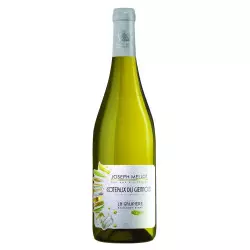

Dry White Wine: Crisp or Round, Depending on Grape and Winemaking
Craving freshness and lightness to accompany your sunny aperitifs, fish, seafood, or even poultry? Dry white wines offer many advantages, making them the perfect choice for a wide range of convivial moments. Whether they have citrus notes or exotic fruit flavors, these wines are distinguished by attributes unique to their grape variety or winemaking style: minerality, salinity, roundness, or their acidity profile.
What are the characteristics of a dry white wine?
A dry white wine is first and foremost a wine made from white grapes (Sauvignon Blanc, Chardonnay, Pinot Blanc, etc.). These dry wines differ from sweet or semi-dry wines by their sugar content. A dry wine contains less than 4 grams of residual sugar per liter. Semi-dry wines contain between 4 and 12 grams, and medium sweet wines between 12 and 45 grams.
During the production of a dry white wine, all the sugar in the grapes is converted into alcohol, leaving (almost) no residual sugar in the bottle. Dry white wine is commonly referred to, while "dry red wine" is less often discussed, even though both exist. The distinction is more frequently made with white wines because sweet white wines are much more common and renowned (Sauternes, Loire Valley, Monbazillac in the Southwest, etc.).
Dry White Wines: The Choice for Freshness and Elegance
Dry white wines are the perfect companions for a wide variety of dishes, thanks to their freshness and aromatic finesse. Praised for their freshness and aromatic range, they pair especially well with seafood, grilled fish, salads, or fresh cheeses. When tasting, a dry white wine often reveals aromas of white-fleshed fruits, citrus, and mineral notes that give it remarkable elegance.
Among the most iconic grape varieties for dry white wines are Sauvignon Blanc, Chardonnay, Chenin Blanc, and Riesling. Each wine region offers its own expression of this type of wine. For example, AOC Chablis wines offer sharp minerality and aromas of white flowers, while AOC Entre-deux-Mers in Bordeaux reveals fruity citrus notes and pleasant roundness.
The Best Appellations for Dry White Wines
Lovers of dry white wines will find joy in prestigious appellations such as AOC Sancerre and AOC Pouilly-Fumé, renowned for their crisp wines with intense aromas of lemon, green apple, and flint. In Burgundy, Chablis and Mâcon-Villages offer pure dry whites, perfect for gastronomic pairings with fish and seafood. Southern regions like Picpoul de Pinet in Languedoc also produce refreshing dry whites, ideal for summer dishes.
Our Tips for Choosing Your Bottle
While dry white wines are characterized by very low residual sugar, they can vary widely in taste. Grape varieties, terroirs, and winemaking methods create a diversity of dry wines to enjoy:
- Saline and mineral wines in the Northwest, such as Muscadets from Sèvre-et-Maine;
- More aromatic wines from the opposite end of France, in Alsace, made from Riesling, Sylvaner, or Pinot Gris;
- Rounder wines, often aged lightly in barrels, from the Rhône Valley (Viognier), Bordeaux (Sauvignon Blanc), or Burgundy (Chardonnay);
- Wines with marked acidity in Northern France, whether from Loire Sauvignon Blanc (Sancerre, Pouilly-Fumé) or Chablis and Jura Chardonnay;
- Floral and fruity dry whites in the Southwest (Petit Manseng, Gros Manseng) or Provence (Ugni Blanc, Clairette, Vermentino).
What dishes pair well with dry white wine?
The dishes that pair with dry white wines are quite well known: seafood, oysters, poultry, fish, etc. One lesser-known fact is that white wines pair better with most cheeses, so feel free to give them a try!
In general, the best pairing follows the local rule. For a seafood dish, the wines that will pair best are those produced near the sea (Loire-Atlantique, Entre-deux-Mers, Provence Blanc, etc.). Conversely, poultry pairs better with a round dry white wine (Viognier from Rhône, Burgundy, etc.). One notable exception is Chablis wines, which, although far from the sea, are the best allies for seafood.
Explore our selection of dry white wines on Avenue des Vins, where each bottle is carefully chosen for its quality, directly from the estate or château of your choice. From floral notes to citrus, lemon, or even exotic fruit aromas, let yourself be transported by the diverse aromas of dry white wines from our custom selection.
Common Questions About Dry White Wine
What temperature should you serve dry white wine at?
Dry white wine is usually served between 46 and 54 °F (8 to 12 °C). Crisp, light whites show well at 46 to 50 °F (8 to 10 °C), fuller or oak-aged ones at 52 to 54 °F (11 to 12 °C). Too cold, a white hides its aromas: give it 15 minutes out of the fridge.
How long can you keep dry white wine?
Most dry white wines are meant to be enjoyed within two to three years of the harvest, while their fruit is still fresh. Some improve for five to ten years or more, such as Riesling, Chenin Blanc and top white Burgundy. Once opened and recorked, a bottle usually keeps two to three days in the fridge.
How can you tell if a dry white wine will be crisp or rich?
Whether a dry white wine tastes crisp or rich usually comes down to three clues: grape, climate and winemaking. Sauvignon Blanc, Riesling and Melon de Bourgogne tend to make zesty wines; Chardonnay, Viognier and Semillon, fuller ones. Barrel aging, lees stirring and a warm climate all add body.
What dry white wine goes with a cheese board?
For a cheese board, pick your dry white wine based on the main style of cheese. A crisp white such as Loire Sauvignon Blanc suits goat cheese, while a fuller Chardonnay or a Jura white goes with hard cheeses like Comté. Find more ideas in our guide to white wine and cheese pairing.
Where can you buy dry white wine direct from the winemaker?
You can buy dry white wine direct from the winemaker on Avenue des Vins. Every bottle is shipped by the producer who made it, with no middleman.
Explore also: Mineral white wines - Round and strong white wines - Fruity white wines