Delivery from €16,90 per winemaker in Europe (excluding the United Kingdom)

Unbeatable !
Late harvests: what are they for?
What Are Late Harvest Wines?
Understanding the Term "Late Harvest"
Perhaps you’ve heard this term before. But do you know what it means?
Why Are They Called "Late Harvest"?
Known as "Spätlese" in Germany, late harvest wines have been around for centuries. As the name suggests, they are harvested later, about a month after the traditional harvest ends. To recap, the harvest season starts at the end of August and finishes in mid-October, depending on the wine-growing region. Late harvests, therefore, involve waiting until the grapes exceed their peak ripeness and allowing them to continue maturing. These usually take place in November, although this can vary depending on the vintage.
Why Do They Exist?
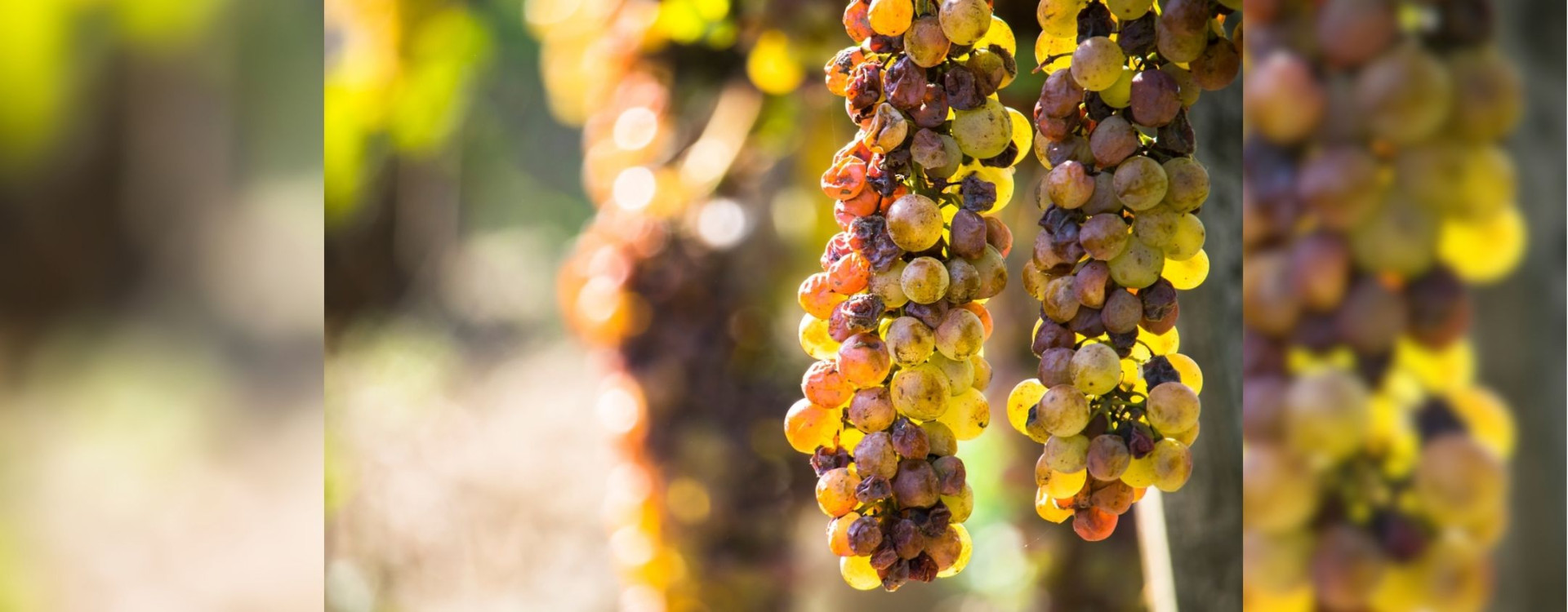
Allowing grapes to exceed their peak ripeness results in very sweet and luscious wines. In some cases, this is a deliberate choice by the winemaker to produce an exceptional wine with unique characteristics. This process can be explained by two somewhat technical terms: "passerillage" and "noble rot." Passerillage refers to the thinning of the grape skins, while noble rot is an infection caused by a fungus that penetrates the grape. Not very appetizing, right? Yet, passerillage and noble rot can produce some of the finest wines. It’s no wonder this rot is called "noble," as it enhances the concentration of sugars and aromas.
Where Are They Made?
As you might have guessed, when done intentionally, late harvests are a mark of quality, even prestige. And prestige often means exclusivity. Indeed, you won't find wines labeled "late harvest" (officially recognized in 1984 by ministerial decree) in every French wine region. Far from it, only four French appellations hold this coveted status: AOC Alsace, AOC Alsace Grand Cru, AOC Gaillac, and AOC Jurançon. This selectivity is due to strict regulations, which require hand harvesting, vinification from a single grape variety, and specific levels of sugar and alcohol to be meticulously observed...
Our Late Harvest Selection : Taste our Alsace late harvest wines, straight from the growers at estate prices. See the selection →
FAQ - Late harvest wines
What is a late harvest wine?
It is a wine made from grapes picked about a month after the traditional harvest, usually in November. The fruit is left on the vine until it passes its peak ripeness. These overripe, sugar-rich berries produce sweet or luscious wines.
Why are they called late harvests?
Simply because the picking takes place late, well after the usual harvest that ends in mid-October. The grapes are given extra time to ripen. Known for centuries, the practice is called Spätlese in Germany.
What is the difference between late harvest and noble late harvest wines?
Late harvest wines use overripe grapes picked beyond full ripeness. Selection de grains nobles goes further: pickers sort the individual berries shrivelled by noble rot, giving an even richer, more luscious wine. The required sugar levels are higher.
Which French appellations can make late harvest wines?
Only four appellations may use the label, officially recognised by ministerial decree in 1984: AOC Alsace, AOC Alsace Grand Cru, AOC Gaillac and AOC Jurançon. Their rules require hand harvesting and vinification from a single grape variety.
What are passerillage and noble rot?
Passerillage is the thinning of the grape skin as the berries dry on the vine. Noble rot is an infection caused by a fungus that penetrates the grape. Unappealing as it looks, it concentrates the sugars and aromas, which is why the rot is called noble.


