Delivery from €16,90 per winemaker in Europe (excluding the United Kingdom)


Light and fruity red wines
Low tannins, plenty of fruit: light reds are Gamay, Pinot Noir, Cabernet Franc. Looking for a fruity, light and easy-drinking red wine? You've come to the right place! Discover our selection of light, low-tannin red wines, with intense aromas of red fruits, perfect for relaxed and convivial moments. Ideal as an aperitif, with a light meal or simply for the pleasure of it, these wines offer beautiful freshness, a supple palate and an elegant roundness. Explore the great appellations of the style, Beaujolais and the Loire Valley, and our selections by grape variety, Gamay and Pinot Noir, and let yourself be won over by these wonderfully refined red wines, shipped directly from the grower's cellar.
Filtrer


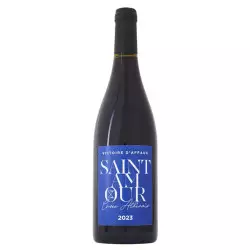


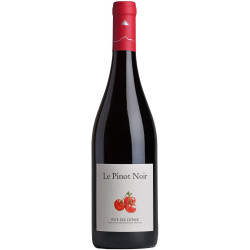


- Bio
- Without So2
- Biodynamic


Choosing and serving a light red wine
Suppleness and pure pleasure: the style of light reds
Light and fruity red wines win people over with their suppleness and freshness, offering a generous palette of red fruit aromas, cherry, raspberry, redcurrant, without the weight of fuller-bodied styles. Low in tannins and highly versatile, they suit a wide range of occasions: from grilled meats and charcuterie boards to composed salads, pizzas and casual dinners with friends. The signature grape varieties of this category, Pinot Noir, Gamay and Cabernet Franc, produce accessible, pleasurable and immediately appealing wines. Best served slightly chilled to bring out their vibrancy and fruity aromas.
The finest appellations for light red wines
Several French wine regions excel in producing light, fruity red wines. Beaujolais, with its Gamay grape, is the undisputed reference. Crus such as Fleurie, Régnié and Saint-Amour deliver wines that are both refined and generous, frequently awarded by the Hachette Wine Guide. Pinot Noir from Burgundy or Alsace is another excellent choice, with its silky texture and delicate red fruit character. The Loire Valley, with its Chinon, Bourgueil and Saumur-Champigny on Cabernet Franc, rounds out the picture with fresh, supple and highly drinkable wines. The Languedoc also offers some delightfully easy-drinking reds on Pinot Noir, alongside its more structured Syrah-Grenache blends.
At what temperature should light red wine be served?
This is the detail most often overlooked: light red wine should never be served at room temperature. The ideal range is 14 to 16 °C (57–61 °F) for Beaujolais and Loire Valley Cabernet Franc wines, and 16 to 17 °C (61–63 °F) for Burgundy or Alsace Pinot Noir. Twenty to thirty minutes in the fridge before serving is all it takes to reveal their full freshness and fruit expression.
Light red wines and food pairing
Their lightness makes them the most versatile wines at the table. They pair naturally with grilled meats and barbecues, charcuterie boards, roast poultry and soft cheeses. A Beaujolais Villages or a Saumur-Champigny also works beautifully as an aperitif, served slightly chilled alongside a charcuterie platter. For chicken or white meat dishes, these supple, fruity wines are the natural choice.
Why buy light red wines direct from the grower?
On Avenue des Vins, every bottle is shipped directly from the grower's cellar. No intermediary stock, no distribution mark-up: you access each cuvée at a fair price, with vintage freshness guaranteed. Our Beaujolais, Loire Valley wines and Burgundies are sourced directly from the estates, several of them awarded by the Hachette Wine Guide, to guarantee the best possible value for money.
Frequently asked questions about light red wines
What is the difference between a light red wine and a full-bodied red wine?
A light red wine has low tannins, lively acidity and fresh red fruit aromas, cherry, raspberry, redcurrant. It is approachable, ready to drink from the moment it is opened, and best served slightly chilled. A full-bodied red is more structured and tannic, with dark fruit and spice aromas, and often benefits from aeration or cellaring.
Which grape varieties produce the lightest red wines?
Gamay (Beaujolais) and Pinot Noir (Burgundy, Alsace, Loire) are France's lightest and fruitiest red grape varieties. Cabernet Franc from the Loire Valley (Chinon, Bourgueil, Saumur-Champigny) also yields supple, fresh and highly drinkable wines. These three varieties make up the backbone of Avenue des Vins' light red wine selection.
Can light red wine be served as an aperitif?
Absolutely, it is one of their greatest strengths. A Beaujolais Villages, a Régnié or an Alsace Pinot Noir served between 14 and 17 °C (57–63 °F) is perfect alongside a charcuterie or cheese board as an aperitif. Their low tannin levels and immediate fruitiness make them effortlessly enjoyable from the very first glass.
How should light red wine be stored?
Most light and fruity red wines are best enjoyed within 2 to 4 years of the vintage, at their aromatic peak. Certain Beaujolais crus, Moulin-à-Vent, biodynamic Fleurie, can be cellared for 5 to 8 years and gain complexity over time. Store away from light and heat, between 12 and 15 °C (54–59 °F).
Are light red wines suitable for a barbecue?
Yes, particularly Loire Valley Cabernet Franc wines (Chinon, Bourgueil) and the more structured Beaujolais crus (Moulin-à-Vent, Côte de Brouilly). Served slightly chilled, they hold up well against grilled white meats and poultry. For more intense red meat dishes, opt for a Languedoc Syrah-Grenache from the selection.
Which red wine has the least tannin?
Gamay from Beaujolais comes first, and it is as much about the winemaking as the grape. Semi-carbonic maceration, widely used across the region, places whole uncrushed bunches in a tank saturated with carbon dioxide. Fermentation starts inside the berry, the skins stay intact far longer and very little tannin makes its way into the wine. The result is a pale colour, bright fruit and a palate with no grip at all. Pinot Noir and Loire Cabernet Franc follow close behind, naturally low in tannin even when vinified conventionally.
Can you put a light red wine in the fridge?
Yes, and it is the right move before serving: 20 to 30 minutes in the fridge brings a Beaujolais or a Chinon back to its ideal range, around 14 to 16 °C (57–61 °F). Storage is another matter entirely. Constant cold, dry air and vibration tire a wine out over time, so the fridge is not the place to keep bottles. Once opened and resealed, count on three days chilled, up to five with a vacuum pump.
Can you make mulled wine with a light red?
It is in fact the better choice. Tannins harden when wine is heated, so a full-bodied red turns harsh, while a low-tannin, fruity red takes the sugar and spices without tightening up. A Beaujolais or a Loire Gamay makes an ideal base, as in our mulled wine selection.
Which light red wine should you give to someone who doesn't like red wine?
What usually puts people off is not red wine itself but tannin, that drying sensation at the end of the palate. Point them towards a Beaujolais cru such as Fleurie or Saint-Amour, or an Alsace Pinot Noir: fruity, supple and served cool, they have none of the structure people associate with red. A Saumur-Champigny made from Cabernet Franc works just as well, with its almost crunchy freshness.