Delivery from €16,90 per winemaker in Europe (excluding the United Kingdom)

Let's eat !
What wine goes with fajitas? Pairings for chicken and beef
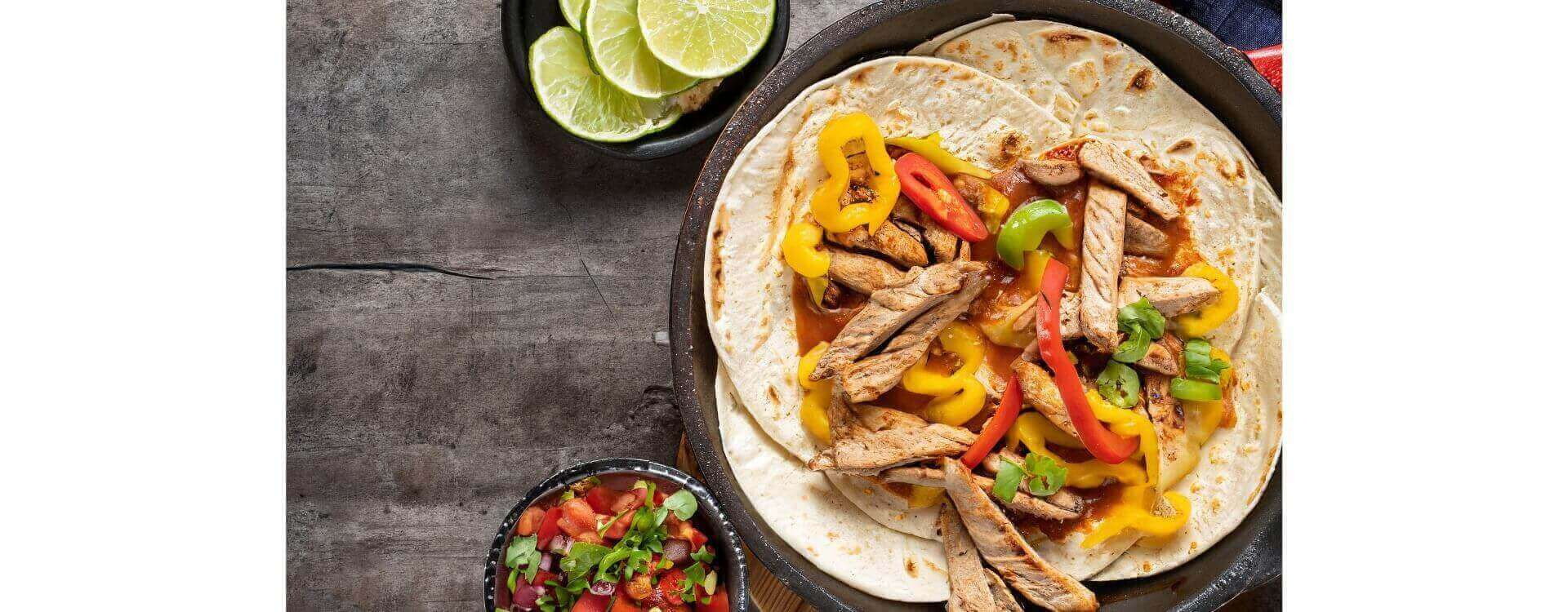
With fajitas, a fruity red served chilled, such as a Côtes du Rhône or a Beaujolais, stands up to the spices without turning harsh. A dry Provence rosé shines on the peppers, while a crisp white suits the chicken version. Here's how to choose for your recipe.
Which red wine goes with fajitas?
With fajitas, reach for a fruity, supple, low-tannin red served chilled. The cumin, paprika and mild chili in the marinade sharpen firm tannins and lift the alcohol. A fruit-driven wine keeps the pairing juicy rather than drying.
For the beef version, which is more robust, a Côtes du Rhône or a Minervois brings the flesh and fruit you need. On well-spiced beef, a young Cahors chosen for its fruit rather than its tannins also works. On the gamay side, a Beaujolais-Villages or a cru such as Brouilly stays wonderfully supple.
For the chicken version, stay light: a Beaujolais, a Gamay de Touraine or a supple Saint-Chinian are plenty. Serve these reds chilled, around 57 to 61°F (14 to 16°C): the freshness tightens the wine and tames the heat. The same trick works for chili con carne or grilled meats.
Our red wine tips for fajitas
Aim for fruit and suppleness, avoid firm tannins. Beef: Côtes du Rhône, Minervois, young Cahors. Chicken: Beaujolais, Saint-Chinian, Gamay de Touraine. Serving: 57 to 61°F (14 to 16°C).
Which rosé goes with fajitas?
Rosé is probably the most crowd-pleasing match for fajitas: dry, fruity and fresh, it wraps around the seared peppers and the shared spirit of the dish. It moves from the beef version to the chicken version without missing a beat, which helps when everyone fills their own tortilla.
A Côtes de Provence plays on finesse and citrus; a Languedoc rosé offers more fruit and roundness. On well-spiced beef fajitas, a Tavel, a fuller, more structured rosé, holds its ground. Serve it cold, around 46 to 50°F (8 to 10°C).
Our rosé tips for fajitas
The all-rounder of the Tex-Mex table. Finesse: Côtes de Provence. Fruit and roundness: Languedoc rosé. Fuller style: Tavel. Serving: 46 to 50°F (8 to 10°C).
Which white wine goes with fajitas?
On chicken or shrimp fajitas, a dry, aromatic white makes a crisp, clean match. Its citrus answers the lime in the marinade, and its freshness lightens the spices.
A Côtes de Gascogne, zesty and fruity, is the safe bet. A Loire sauvignon, such as a Touraine, echoes the green side of the peppers. For more roundness on the spices, a viognier-based white, from the Côtes du Rhône or the Pays d'Oc, softens the whole. Serve around 46 to 50°F (8 to 10°C).
Our white wine tips for fajitas
For the chicken and shrimp versions. Zesty and fruity: Côtes de Gascogne. Green note: Loire sauvignon (Touraine). Roundness on spices: viognier. Serving: 46 to 50°F (8 to 10°C).
What are the best wine pairings for fajitas?
The best match depends on your filling and your level of spice, but three options stand out.
Well-spiced beef fajitas: a fruity, chilled red such as Côtes du Rhône, Minervois or young Cahors.
Chicken or shrimp fajitas: a crisp white like a Côtes de Gascogne, or a dry Provence rosé.
Mixed table or bold spices: a dry rosé is the safest call, from Côtes de Provence to Tavel.
The one habit that matters: avoid firm tannins, which turn bitter against chili, and serve your reds chilled, around 57 to 61°F (14 to 16°C).
Our selection of fruity, supple reds: gamays and Rhône reds to serve chilled, straight from the grower. See the selection →
Bonus: our fajitas recipe
Ingredients (serves 4)
- 600 g (about 1.3 lb) beef (flank or rump steak), or 4 chicken breasts
- 3 bell peppers (red, yellow, green)
- 2 onions
- 2 garlic cloves
- 2 tsp cumin, 1 tsp smoked paprika, 1 pinch of mild chili
- 1 lime
- 8 wheat tortillas
- Guacamole, sour cream, grated cheese and salsa
Method
Cut the meat into thin strips. Mix the cumin, paprika, chili, crushed garlic, lime juice and a drizzle of oil, then marinate for 30 minutes.
Slice the peppers and onions. Sear them over high heat in a very hot pan, then set aside. Cook the meat for 2 to 3 minutes in the same pan, then return the vegetables.
Warm the tortillas. Everyone fills their own with meat and peppers, then guacamole, sour cream, cheese and salsa. Serve right away, with the wine well chilled.
In short, which wine for your fajitas?
Fajitas don't need a powerful wine: the excitement is on the plate, and the wine goes along without covering it. A fruity red served chilled, a dry rosé or an aromatic white depending on your version, and the match holds from the first bite to the last.
The same spirit works for any shared, build-your-own meal, from grilled meats to paella. Choose growers' wines, serve them at the right temperature, and let everyone enjoy at their own pace.
Our selection of dry rosés: from Provence to Tavel, the all-rounder for Tex-Mex nights, straight from the estate. See the selection →
Frequently asked questions about fajitas and wine
Which red wine goes with beef fajitas?
For beef fajitas, choose a fruity, low-tannin red served chilled, such as a Côtes du Rhône, a Minervois or a young Cahors. Firm tannins harden against chili, so fruit and freshness keep the pairing juicy.
What wine goes with chicken fajitas?
For chicken fajitas, a dry, aromatic white or a dry rosé makes the cleanest match. A Côtes de Gascogne, a Loire sauvignon or a Côtes de Provence suits the white meat and the spices without weighing it down.
Does rosé go with fajitas?
Yes, dry rosé is one of the best matches for fajitas. Its freshness and fruit wrap around the charred peppers and move easily from beef to chicken, which makes it ideal for a build-your-own table.
Should wine be served chilled with fajitas?
Yes, serve reds chilled, around 57 to 61°F (14 to 16°C), and whites and rosés between 46 and 50°F (8 to 10°C). The coolness tempers the heat of the spices and keeps the wine refreshing on a hot, spiced dish.
Which wine should you avoid with fajitas?
Avoid young reds with firm, oaky tannins and very high-alcohol wines. Chili emphasizes the bitterness of tannins and the heat of alcohol, throwing the pairing off balance. Go for supple, fruity wines instead.