Delivery from €16,90 per winemaker in Europe (excluding the United Kingdom)


AOC Touraine
In the northwest of France, the Loire vineyard extends from the Massif Central to Nantes. It is known for the Chinon, Bourgueil and Pouilly-Fumé appellations among others. The Touraine AOC is also found there. The appellation area of this AOC extends in the Loire Valley over soils mainly composed of clay, limestone and flint. Sauvignon Blanc, Côt and Cabernet Franc vines among others, subject to the temperate climate and oceanic influences of this geographical area, are planted in this appellation and produce white, rosé and red wines. The red wines are known for their fruity palate, the rosés, dry and fresh for their spicy notes, and the lively whites for their aromas of apple and citrus.
Filtrer






Touraine, a Vineyard Shaped by Monasteries and Kings
AOC Touraine spreads over a gently rolling plateau where the Cher, the Indre and the Vienne flow into the Loire. The vineyards follow the valleys for about 100 kilometers (60 miles), except in the Sologne area to the east, where they sit on the plateau between the Cher and the Loire.
The Tours Meridian, a Dividing Line for Grapes
The Tours meridian marks a natural climate boundary. To the west, the Atlantic influence is stronger; to the east, temperature swings widen and rainfall rises from about 550 to 650 mm (22 to 26 inches).
Grapes settled on either side: Chenin Blanc and Cabernet Franc to the west, Sauvignon Blanc, Côt and Gamay to the east. Côt is the backbone of eastern reds, while the reds of an estate lying entirely west of the line contain at least 80% Cabernet Franc.
For still rosés, the appellation requires at least two grape varieties, drawn from ten dark- or pink-skinned grapes, with none above 70% of the blend.
Five geographic names can be added to Touraine, each with stricter production requirements: Amboise, Azay-le-Rideau, Chenonceaux, Mesland and Oisly. Touraine Noble Joué, a vin gris from just south of Tours, is a separate appellation.
History of the AOC Touraine appellation
The AOC Touraine is a vast appellation in the Loire Valley, covering 143 communes and shining with both its wine diversity and its rich heritage. This appellation benefits from a winemaking history dating back to the 2nd century; viticulture took off between the 8th and 12th centuries thanks to the influence of monasteries. Over the centuries, the fame of Touraine wines has crossed borders, seducing kings, queens and illustrious figures of the French court. Officially established in 1939, the AOC Touraine has continued to flourish since then, offering a wide range of wines, including red, white, rosé and sparkling wines (white and rosé), each expressing the nuances of its terroir.
Climate and terroir of the AOC Touraine appellation
Climate: The climate of Touraine is oceanic, with an influence that fades toward the east.
Soils: Terroir of great diversity ranging from clay-limestone soils to flint, gravel and tuffeau.
The grape varieties of the AOC Touraine
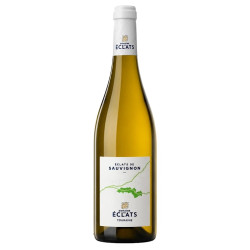
Touraine showcases a wide range of grape varieties. For red wines, Côt (Malbec) is the main grape, and Cabernet Franc, locally called "Breton", is the main grape west of Tours; they are accompanied by Cabernet Sauvignon, Gamay and Pinot Noir. The whites are mainly made from Sauvignon Blanc. This diversity of grape varieties allows for a wide range of wines.
Style of AOC Touraine Wines
Red Wine: Touraine red wines are distinguished by their ruby red color and their aromas of red and black fruits, with touches of noble vegetal typical of Cabernet Franc. On the palate, they offer fine tannins and a pleasant freshness.
White Wine: Whites have a pale gold color, with complex aromas of white-fleshed fruits, flowers and sometimes mineral or honeyed notes. The palate is lively, with a beautiful acidity and a persistent length. AOC Touraine sparkling whites offer notes of green apple, brioche, hazelnut and a fresh palate.
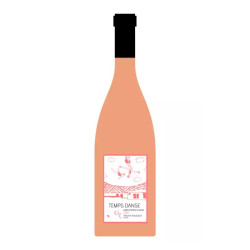
Rosé Wine: Touraine rosés have a pale pink color, offering aromas of fresh red fruits and flowers. On the palate, they are light, fruity with a beautiful liveliness. Rosé sparkling wines reveal aromas of small red fruits, a soft palate and fine bubbles.
The best food and wine pairings with an AOC Touraine wine
Follow our advice to create the best food and wine pairings with a bottle of Loire wine, from an estate or château in AOC Touraine in red, white or rosé, still and sparkling:
White wine: seafood casserole, goat cheese, asparagus omelette
Rosé wine: Tours rillettes, coral lentil curry
Red wine: coq au vin rouge, veal kidneys, veal chop
Bubbles, Gamay, Perruches: A Short Touraine Glossary
What Grapes Go into Sparkling White Touraine?
In sparkling white Touraine, Chenin Blanc or Orbois makes up at least 60% of the blend. These wines date back to the 19th century, when Touraine growers learned to control wines that began fermenting again in the bottle. Long aging "sur lattes," with the bottles stacked on their lees, then adds complexity.
What Is Touraine Gamay?
Touraine Gamay is a red AOC Touraine wine in which Gamay makes up at least 85% of the blend. The word "Gamay" must then follow the appellation name on the label. It often shows a cherry color, small red fruit aromas and silky tannins.
What Are Perruches and Aubuis in Touraine?
In Touraine, "perruches" are flinty clay soils and "aubuis" are stony clay-limestone soils formed from limestone. Warm and free-draining, they cover the lower valley slopes, known locally as "côtes." Sauvignon Blanc ripens steadily there from one year to the next.
Where to Buy Touraine Wine Direct from the Winemaker?
You can buy Touraine wine direct from the producer on Avenue des Vins. Every wine’s page lists its grape varieties.
See also: AOC Touraine-Chenonceaux - AOC Vouvray - AOC Cheverny