Delivery from €16,90 per winemaker in Europe (excluding the United Kingdom)

Let's eat !
What wine goes with duck à l'orange?
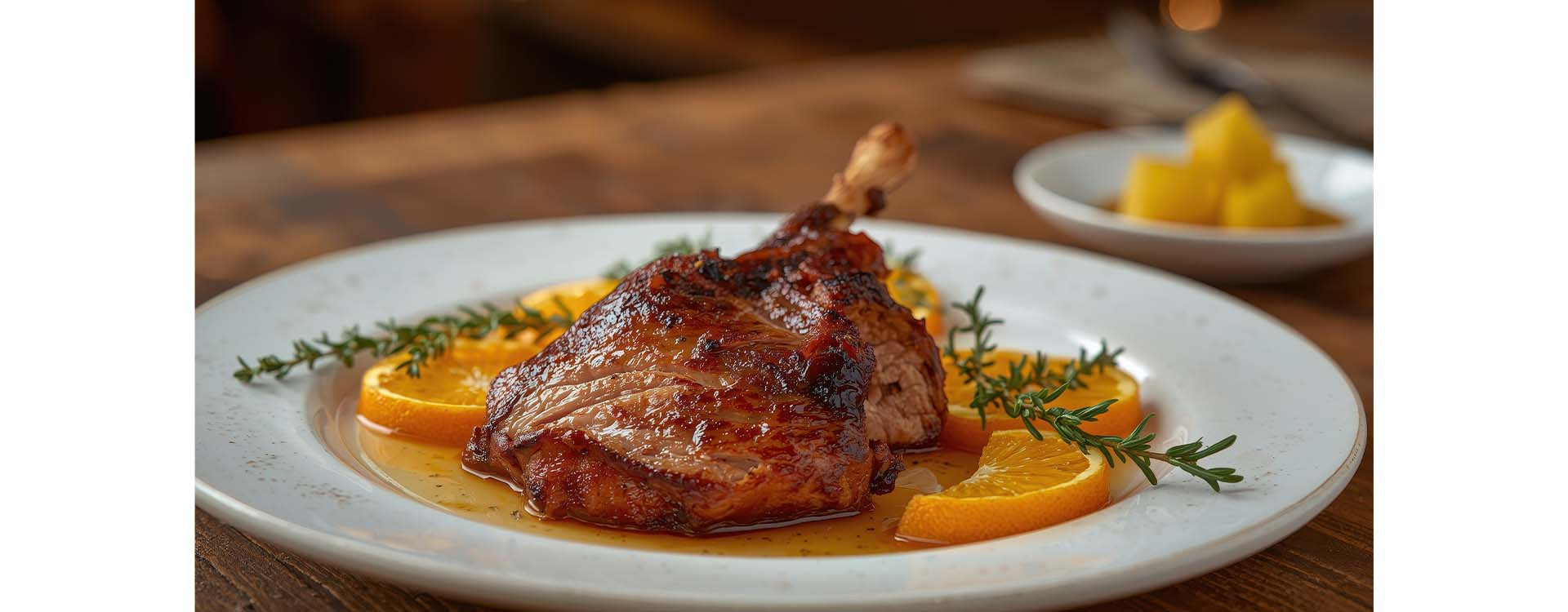
With duck à l'orange, serve a fruity, fresh red wine, a Chinon or a Burgundy pinot noir: its fruit answers the orange sauce without fighting it. A sweet wine also dares the sweet-savoury play. Here is the pairing, colour by colour.
Which red wine goes with duck à l'orange?
A fruity, supple red with good freshness is the go-to match. The rich duck meat and the sweet-and-tangy orange sauce call for fruit and acidity, not hard tannins.
Duck à l'orange, or canard à la bigarade, is a classic of French cooking. Its sauce marries the sugar of a caramel, the acidity of bitter orange and the fat of the duck: a trio that quickly throws a too-tannic wine off.
The benchmark is a Chinon from cabernet franc, whose fruit and peppery note echo the orange and the richness of the duck.
A Burgundy pinot noir, fine and fresh, or a fruity Côtes du Rhône also hold, as long as you stay with supple, lightly oaked cuvées.
Serve these reds around 15 to 16 °C. Set aside very tannic reds, which the acidity of the orange hardens further.
Our red wine tips for duck à l'orange
Look for fruit and freshness, not power. A Loire cabernet franc or a pinot noir stays the benchmark.
Which white wine goes with duck à l'orange?
White can surprise, but a round, lightly sweet white goes very well with the orange sauce, whose sweetness it carries on.
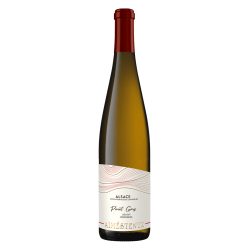
An Alsace Pinot gris, ample and fragrant, or an off-dry Vouvray, on quince and honey, make very fitting pairings.
Avoid dry, sharp whites, which sharpen the acidity of the orange. Serve the white around 10 to 12 °C.
Our white wine tips for duck à l'orange
Aim for roundness and a touch of sweetness. An off-dry white balances the sauce better than a very dry one.
Which rosé goes with duck à l'orange?
A dry, vinous rosé helps out, between the freshness of a white and the fruit of a red, but it stays in the background against this rich dish.
Pick a dry, firm Côtes de Provence, served chilled around 10 °C, rather on a less sweet duck.
Our rosé tips for duck à l'orange
Prefer a dining rosé over a light one. It stands up a little better to the richness of the dish.
What are the best wine pairings with duck à l'orange?
The best match remains a fruity, fresh red, a Chinon or a pinot noir above all. An off-dry white follows, especially if the sauce is very sweet.
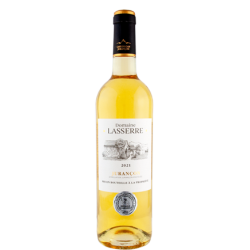
On a very sweet sauce, dare to go sweet. A Jurançon or a sweet Vouvray turns the pairing into a sweet-savoury play, a great classic of duck à l'orange.
Match it to the sauce. The sweeter and more candied it is, the more the wine gains from being sweet too; the tangier and lighter it stays, the more a fruity, fresh red is enough.
Fruity red: a Chinon, a Burgundy pinot noir or a Côtes du Rhône, served at 15 to 16 °C.
Round or off-dry white: an Alsace Pinot gris or a Vouvray, served at 10 to 12 °C.
Sweet wine: a Jurançon, on a very sweet sauce.
Our selection of fruity Loire reds: supple, fresh cabernet francs, straight from the estate at cellar-door prices. See the selection →
Bonus: our duck à l'orange recipe
Here is a simple duck à l'orange recipe for four. The sauce hinges on the balance between sugar, the acidity of the orange and the duck juices.
Ingredients (for 4)
You will need 1 duck of about 1.8 kg, 4 oranges, 50 g sugar, 5 cl vinegar, 20 cl poultry stock, a knob of butter, salt and pepper.
Method
Prick the duck skin with a fork, season with salt and pepper, then roast it at 180 °C for 1 hour 15, basting it regularly with its juices. The skin turns crisp and the fat runs off.
Make a caramel with the sugar and vinegar, then deglaze with the juice of three oranges and the stock. Let it reduce.
Add the segments of the last orange and the juices released by the duck. Adjust the seasoning.
Carve the duck and coat it with the sauce. Serve at once, piping hot.
Remember the essential: with duck à l'orange, fruit and freshness lead. A Chinon or a pinot noir stays the safest choice, a sweet wine the successful gamble on a very sweet sauce.
Whichever you choose, a wine bought straight from the grower gives you cellar-door pricing and full vintage traceability, with no middleman. Enough to do this classic justice, right into the glass.
For the sweet-savoury pairing: our sweet wines from the South-West, straight from the estate at cellar-door prices. See the selection →
Frequently asked questions about duck à l'orange
Which red wine goes with duck à l'orange?
A fruity, fresh red, such as a Chinon from cabernet franc or a Burgundy pinot noir. Its fruit answers the orange sauce without fighting it.
Which white wine goes with duck à l'orange?
A round, lightly sweet white, such as an Alsace Pinot gris or an off-dry Vouvray, which carries on the sweetness of the sauce.
Can you serve a sweet wine with duck à l'orange?
Yes, it is a great classic. A Jurançon or a sweet Vouvray plays the sweet-savoury game with the orange sauce.
Which wine for a duck breast à l'orange?
The same pairings: a fruity Loire red or an off-dry white. The breast, meatier, takes a slightly more structured red.
At what temperature should you serve the wine with duck à l'orange?
Serve the red around 15 to 16 °C, and the white around 10 to 12 °C.
Why buy your wine directly from the grower?
Because the wine ships straight from the cellar: cellar-door pricing with no middleman, vintage traceability and support for a family of growers. That is the short-circuit principle.