Delivery from €16,90 per winemaker in Europe (excluding the United Kingdom)

Unbeatable !
How is rosé wine made?
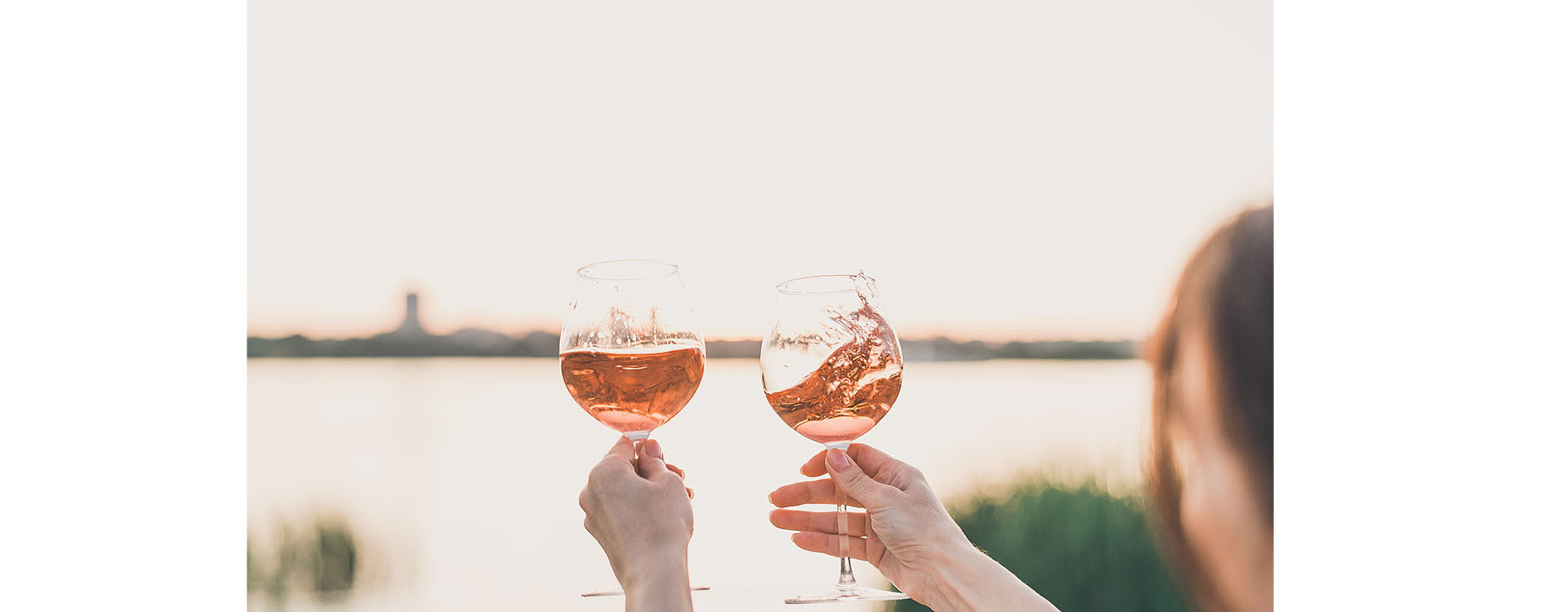
Rosé wine is highly appreciated during the summer months. Light and fruity, this type of wine is perfect for complementing all your summer meals, enhancing barbecues, and Mediterranean dishes.
Although rosé wine had a poor reputation for many years, it is now very popular and accounts for nearly a quarter of wine sales in France. Its production continues to increase. Discover how rosé wine is made and the various steps of its vinification in this article.
The Steps of Rosé Wine Vinification
The grapes used for rosé are always black grape varieties. In fact, it is the black grapes that, thanks to their skins, give the distinctive color of rosé. Rosé wine charms with its light hue and range of colors, from pale pink to salmon, with some more intense shades. The color and flavors of rosé wines reflect the great diversity of rosé wine styles. These differences are due to the grape varieties used, the terroir, and the winemaking methods.
Rosé de Saignée
There are several methods for making rosé wine, with the most common being the rosé de saignée. This method involves a short maceration of the grape skins and juice, similar to red wine production but for a much shorter time. Rosé de saignée wines typically have a deeper color and more intense aromas.
First, the winemaker separates the berries from the bunch and discards the stems. The berries are then crushed to release the juice. The berries, must, and juice are placed in a tank, where the color comes from the skins. Depending on the desired color, the maceration lasts between 8 to 48 hours. The juice is then separated from the skins.
The juice is then placed in a tank and any suspended particles are removed. Fermentation begins and transforms the sugar into alcohol. This step lasts about ten days. The resulting wine is transferred to a vat for the aging process, which lasts a few weeks or months, depending on the cuvée and appellation. During this alcoholic fermentation, natural or selected yeasts turn the sugars into alcohol. In some cases, malolactic fermentation may occur, reducing acidity and giving the wine more roundness. This additional process provides riper red fruit aromas and a smoother texture, which is especially appreciated in some rosé wines. Finally, the wine is bottled. Thanks to its notes of red fruits, citrus, and its structure, saignée rosé is a gastronomic rosé, perfect for pairing with grilled white meat, red meat, or charcuterie.
Rosé de Pressurage
Rosé de pressurage is a newer technique for making rosé wine that produces very clear and lighter wines. In this process, the winemaker separates the berries from the bunch. During crushing, the berries are broken to release the juice, although this step is not always necessary for rosé de pressurage. The grapes are then pressed in stages, with increasing pressure depending on the desired color. Only the juice that drains out is collected. The skins and pulp hardly macerate with the juice, resulting in a light, pale wine with elegant aromas.
The next step is clarification. The juice is placed in a tank, and suspended particles are removed. Alcoholic fermentation occurs thanks to yeast, which converts sugar into alcohol. The wine is then aged to stabilize it, with a short aging period of a few weeks to a few months. Finally, the wine is bottled.
Direct pressing, often done in a specialized pressing facility, is a delicate technique that requires precise control to achieve the desired color. The flow of grapes is carefully managed to avoid any risk of premature fermentation. The musts before fermentation are sometimes cooled to preserve fruity aromas and prevent any unexpected secondary fermentation.
Which Grape Variety for Rosé Wine?
Rosé wine is made from red grape varieties. The color of rosé comes naturally from the grape skins. The most commonly used varieties for rosé are Grenache, Cinsault, Pinot Noir, and Syrah. Rosé wines can be single-varietal or blends, depending on the appellations and estates.
These grape varieties offer a beautiful diversity of aromas: red fruits like strawberry and raspberry, citrus, or even more floral and spicy notes. These aromas vary depending on the winemaking techniques, the terroir, and the climate.
Our Rosé Wines Selection : Our finest rosés, picked straight from the winemaker and shipped at estate prices. See the selection →
Is Rosé Wine a Real Wine?
Yes, rosé wine is a real wine. It is made from one or more grape varieties and undergoes a shorter maceration than red wine to achieve its characteristic color. It is not possible to make rosé wine from white grapes alone; it is the skin of red grapes that gives the wine its color during production.
This specific process, practiced since the Roman Empire, gives rosé wine its own identity. It is therefore not simply a blend of red and white wines but a full-fledged winemaking process that requires unique expertise.
Can Red and White Wines Be Mixed to Make Rosé Wine?
In France, it is prohibited to produce rosé wine by directly mixing red and white wines. However, there is an exception for Champagne. Rosé Champagnes can be made by adding a small proportion (about 10%) of red wine to the white base during blending, which imparts color to the Champagne. Several Champagne houses also produce rosé Champagne using the saignée method.
These methods of rosé production ensure a wide variety of styles, making it easy to find the perfect cuvée for any occasion.
Food and Wine Pairings for Rosé
Rosé wine is ideal for pairing with white meats, grilled meats, and seafood platters. Its fruity profile and freshness make it a great companion for summer barbecues. For the perfect match with Mediterranean dishes and seasonal salads, choose light-colored rosés made with direct pressing and a good level of acidity to enhance the flavors of your summer recipes. Here are some suggested pairings for rosé wine by appellation:
- Ratatouille: AOC Côtes de Provence rosé
- Stuffed squid: AOC Languedoc rosé
- Melon with port: AOC Cabernet d’Anjou
- Paella: AOC Tavel rosé
- Niçoise salad: AOC Bellet rosé
Finally, remember that every rosé wine has its own aging potential in the bottle. While most rosés should be enjoyed young, some, especially those from renowned terroirs like Côtes de Provence, gain complexity after a few months on lees. In all cases, be sure to serve them at the right temperature to fully enjoy their freshness and aromatic palette.
On Avenue des Vins, we offer a wide selection of rosé wines for all your social gatherings. From rosés of Languedoc-Roussillon, Provence, Bordeaux châteaux, Corsica, and the Rhône Valley, these cuvées elevate your family meals. We also offer red, white wines, and Champagne from the best French appellations, regions, and estates to match all your food and wine pairings.
Our Rosé Wines Selection : Our finest rosés, picked straight from the winemaker and shipped at estate prices. See the selection →
FAQ - Making rosé wine
What is the difference between rosé de saignée and rosé de pressurage?
Rosé de saignée goes through a short maceration of the skins with the juice, like a red wine but far briefer, giving a deeper hue and more intense aromas. Rosé de pressurage presses the grapes directly with almost no maceration, for a clearer, lighter and more delicate wine.
How does rosé winemaking differ from red winemaking?
Rosé follows the same principle as red wine but with a much shorter maceration, from 8 to 48 hours depending on the shade sought. It is this brief contact with the skins of black grapes that gives the color, whereas red wine macerates for several days or even weeks.
How long can rosé wine be kept?
Most rosés are best enjoyed young, within the year, to make the most of their freshness and fruit. Some, from renowned terroirs such as Côtes de Provence, gain complexity after a few months of ageing on lees.
Is rosé Champagne made the same way as still rosé wine?
In France, blending red and white wine to make rosé is prohibited, except for Champagne. A rosé Champagne can be obtained by adding about 10% red wine to the white base during blending, though several houses also produce rosé Champagne using the saignée method.
Why buy your rosé wine directly from the winemaker?
Buying straight from the winemaker means the estate price, with no middleman margin, and better traceability of the vintage. Cuvées shipped from the estate reach you as close as possible to their original freshness.