Delivery from €16,90 per winemaker in Europe (excluding the United Kingdom)


AOC Champagne
Only a wine from the Champagne region may be called Champagne. That exclusivity comes from its appellation d'origine contrôlée, recognised in 1936 and prepared by the 1927 delimitation of the region. It also earns Champagne a privilege unique in France: it is the only wine exempt from printing the words "appellation d'origine contrôlée" on its label, because its name alone identifies it. The same terroir produces two further appellations in still wines, Rosé des Riceys and Coteaux champenois, along with Ratafia champenois, a fortified wine made by adding grape spirit to unfermented must. To choose a bottle by style, dosage or grape variety, visit our grower Champagnes shipped direct from the estate.
Filtrer


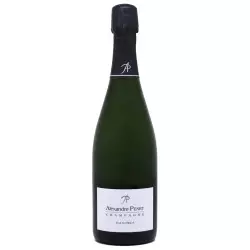


Alexandre Penet Premier Cru - Blanc de Blancs - Millésime 2015 Extra Brut
La Maison Penet Champagne
€72.00








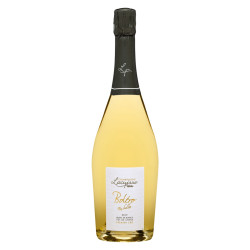


- Without So2


Champagne: Everything You Need to Know About the Wines of This Appellation
What is AOC Champagne?
AOC Champagne is the appellation d'origine contrôlée that reserves the name Champagne for sparkling wines made inside the delimited Champagne region using the traditional method. Recognised by the law of 29 July 1936, it builds on the delimitation of the Champagne winegrowing region begun in 1927. It enjoys a privilege unique in France: Champagne is the only appellation wine exempt from printing the words "appellation d'origine contrôlée" on its label. The authorities and the INAO have never required it, on the grounds that the name was identified with the very idea of appellation before that idea existed.
Since 4 July 2015, the Coteaux, Maisons et Caves de Champagne have been inscribed on the UNESCO World Heritage List as a living cultural landscape. What is recognised is the territory, with its hillsides, historic houses and cellars dug into the chalk, not the wine itself.
The delimited area: 34,300 hectares and 319 crus
The appellation covers some 34,300 hectares of vines spread across 319 villages, known as crus, in five French départements: the Marne, the Aube, the Aisne, the Haute-Marne and the Seine-et-Marne. The parcel map is exceptionally fine-grained, with close to 280,000 cultivated plots averaging 12 ares each, farmed by more than 16,000 growers.
Climate and soils of Champagne
Climate
Located east of the Paris Basin, Champagne has a degraded oceanic climate with continental influences. Winters are cool, and summers mild with frequent but not overly abundant rainfall. It is the most northerly appellation vineyard in France, which explains the natural vivacity of its grapes.
Soils
The Champagne vineyard is divided into four main areas:
- The Montagne de Reims: composed mainly of chalk, sand, clay and limestone, it is ideal for growing Pinot Noir.
- The Vallée de la Marne: its clay-limestone soils favour Pinot Meunier.
- The Côte des Blancs: chalky and moisture-retaining, it is known for fine, mineral Champagnes made from Chardonnay.
- The Côte des Bar: with a milder climate than the rest of the appellation, it stands out for its soils of marl, clay and limestone.
To these four vineyards is added the Côte de Sézanne, the southern extension of the Côte des Blancs, also planted mainly with Chardonnay.
The cru hierarchy: 17 Grands Crus and 44 Premiers Crus
Within the appellation, villages are ranked according to the quality and identity of their terroir. The Grands Crus sit at the top, followed by the Premiers Crus, then the other crus of the appellation. Unlike Burgundy, the classification applies to the whole village, not to an individual plot.
The 17 Grand Cru villages of Champagne
On the Montagne de Reims and the Grande Vallée de la Marne: Ambonnay, Aÿ, Beaumont-sur-Vesle, Bouzy, Louvois, Mailly-Champagne, Puisieulx, Sillery, Tours-sur-Marne, Verzenay and Verzy. On the Côte des Blancs: Avize, Chouilly, Cramant, Le Mesnil-sur-Oger, Oger and Oiry.
The 44 Premier Cru villages of Champagne
Avenay-Val-d'Or, Bergères-lès-Vertus, Bezannes, Billy-le-Grand, Bisseuil, Chamery, Champillon, Chigny-les-Roses, Chouilly, Coligny (Val-des-Marais), Cormontreuil, Coulommes-la-Montagne, Cuis, Cumières, Dizy, Écueil, Étréchy, Grauves, Hautvillers, Jouy-lès-Reims, Ludes, Mareuil-sur-Ay, Les Mesneux, Montbré, Mutigny, Pargny-lès-Reims, Pierry, Rilly-la-Montagne, Sacy, Sermiers, Taissy, Tauxières, Tours-sur-Marne, Trépail, Trois-Puits, Vaudemange, Vertus, Villedommange, Villeneuve-Renneville, Villers-Allerand, Villers-aux-Nœuds, Villers-Marmery, Voipreux and Vrigny.
Four of these villages are classified Premier Cru for one grape variety only: Chouilly for Pinot Noir, and Coligny (Val-des-Marais), Étréchy and Tours-sur-Marne for Chardonnay. Chouilly and Tours-sur-Marne therefore appear on both lists, each for a different variety.
The production rules of AOC Champagne
The appellation's specification is one of the most demanding in France. The points that set Champagne apart from other sparkling wines:
- Whole-bunch harvesting: the specification bans any harvesting method that does not bring in whole bunches. In practice, the harvesting machine is therefore excluded from the entire appellation.
- Maximum yield: 15,500 kilograms of grapes per hectare. The yield actually permitted is set each year, generally well below that ceiling.
- Strictly controlled pressing: a maximum of 102 litres of settled must for every 160 kilograms of grapes pressed.
- Second fermentation in the bottle: the traditional method, also called the méthode champenoise, is what creates the bubbles.
- Minimum ageing: 15 months from bottling before release for a non-vintage Champagne, and 36 months for a vintage.
- Disgorging: it cannot take place before 12 months from bottling, so the wine spends at least a year on its lees.
The grape varieties permitted in AOC Champagne
Contrary to a widespread belief, the appellation permits not three grape varieties but seven. Three account for almost all of the production:
- Chardonnay: the emblematic white variety, marked by citrus, white fruit and white flower aromas. On the palate it brings freshness, finesse and minerality.
- Pinot Noir: widely planted in Champagne, it gives the wine fine structure and aromas of red fruits, dried fruits and spices.
- Pinot Meunier: a red variety typical of Champagne, it adds roundness, suppleness and notes of ripe apple and mirabelle plum.
Four historic varieties remain permitted but confidential: Arbane, Petit Meslier, Pinot Blanc and Pinot Gris, known locally as Fromenteau. A handful of growers are replanting them, often in single-plot cuvées. To see what each variety brings to a cuvée and choose accordingly, browse our grower Champagnes shipped direct from the estate.
The three appellations of the Champagne region
The region has three AOCs, plus a geographical indication for its fortified wine:
- AOC Champagne: the sparkling wines, the only appellation open to them in the region.
- AOC Coteaux champenois: the still wines, in white, rosé and red, from the same terroir and the same grape varieties.
- AOC Rosé des Riceys: a still Pinot Noir rosé made in the single village of Les Riceys, in the Côte des Bar, and only in years when the fruit allows it.
- IG Ratafia champenois: Ratafia champenois, a fortified wine made by adding grape spirit to unfermented must to halt fermentation.
Other French sparkling wines made by the same method cannot take the name Champagne: they fall under the crémant appellations or other regional appellations. Our selection of sparkling wines brings them together.
The history of the appellation
Although grape growing in Champagne dates back to Roman times, the region has only produced sparkling wines since the 17th century. Dom Pérignon, a monk at the Abbey of Hautvillers, developed the practice of blending and the rapid pressing of the harvest. Champagne-making kept evolving for more than a century and a half before arriving at the méthode champenoise as we know it, with a controlled second fermentation in the bottle. In the 19th century, Champagne's fame spread far beyond France thanks to major houses such as Ruinart, and the wine became the festive drink par excellence. After the phylloxera crisis and the First World War, the ruined vineyard adopted a meticulous plot-by-plot delimitation, then its appellation d'origine contrôlée.
FAQ: frequently asked questions about AOC Champagne
Why does Champagne not carry the words "appellation d'origine contrôlée" on the label?
Because it is the only French appellation wine exempt from it. The authorities and the INAO have never required the wording since 1936, on the grounds that the name Champagne was identified with the idea of appellation before AOCs were even created. Every other appellation wine must print it.
How many grape varieties does AOC Champagne permit?
Seven. Chardonnay, Pinot Noir and Pinot Meunier account for almost all of the production. Four historic varieties have become confidential but remain permitted: Arbane, Petit Meslier, Pinot Blanc and Pinot Gris, known as Fromenteau.
What do "Grand Cru" and "Premier Cru" mean on a bottle of Champagne?
In Champagne the classification applies to the whole village, not to an individual plot as in Burgundy. Seventeen villages are classified Grand Cru and forty-four Premier Cru. A bottle may carry the term only if all of its grapes come from villages of that rank.
Is hand harvesting compulsory in Champagne?
The specification does not literally require hand picking: it bans any harvesting method that cannot bring in whole bunches, which rules out the harvesting machine in practice. Harvesting is therefore manual across the whole appellation, including for the simplest cuvées, so it is not a mark that distinguishes one Champagne from another.
How long must a Champagne age before it can be sold?
Fifteen months minimum from bottling for a non-vintage Champagne, and thirty-six months for a vintage. Disgorging cannot take place before twelve months, which guarantees at least a year of contact with the lees.
Is Champagne a UNESCO World Heritage Site?
It is the "Coteaux, Maisons et Caves de Champagne" that have been inscribed since 4 July 2015, as a living cultural landscape: the vineyard hillsides, the historic houses and the cellars dug into the chalk. The inscription covers the territory and its built heritage, not the wine itself.
What is the difference between AOC Champagne and AOC Coteaux champenois?
The two appellations share the same terroir and the same grape varieties, but not the same wine. AOC Champagne is reserved for sparkling wines made by a second fermentation in the bottle. AOC Coteaux champenois covers the region's still wines, in white, rosé and red.
Where can you buy an AOC Champagne direct from the grower?
On Avenue des Vins, bottles are shipped straight from the estate's own cellar, with no intermediate stock and no négociant, at the estate's own price. Our grower Champagnes can be filtered by style, dosage and grape variety.