Delivery from €16,90 per winemaker in Europe (excluding the United Kingdom)


Tannic red wines
Tannic red wines are characterised by their robust structure and ability to age. Rich in tannins, they offer intense aromas of black fruit, leather and spices, and are the perfect accompaniment to grilled meats, rich, slow-cooked dishes or mature cheeses. Discover our selection of tannic red wines from the great terroirs of Languedoc-Roussillon, the Rhône Valley and South-West France, for powerful, refined tastings. That structure comes first from the grapes: Cabernet Sauvignon, Syrah, Malbec and Tannat. You will find them across our full range of red wines, shipped direct from the grower's cellar.
Filtrer

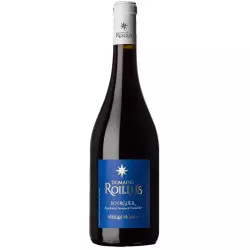


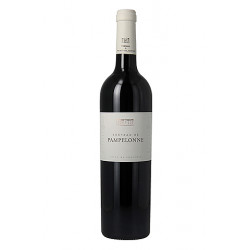



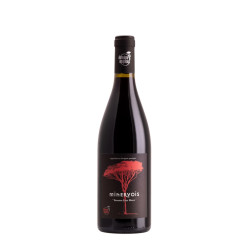

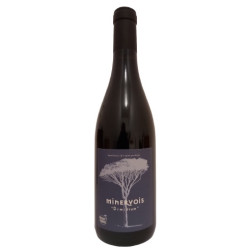


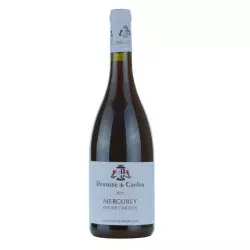
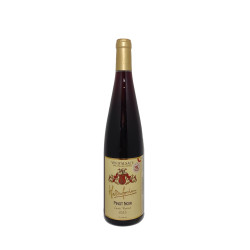


Tannic Red Wines: Character, Structure and How to Enjoy Them
Tannic red wines appeal to drinkers who look for character. Known for their powerful structure and their ageing potential, they come from grape varieties naturally rich in tannins such as Cabernet Sauvignon, Syrah, Malbec and Tannat. These natural compounds, found in the skins, the pips and sometimes the stems of the grape, play a key role in a wine’s texture and longevity.
What is a tannic wine?
A wine is described as tannic when it leaves a noticeable astringency on the palate, often felt as a slight dryness or a grip on the gums. That sensation comes from the tannins, which bind with the proteins in your saliva. Tannins do more than give a wine its structure: they also drive how it evolves over time. The finer and better integrated they are, the more elegant the wine becomes with the years.
Which grape varieties make tannic red wines?
Some grapes are naturally far richer in tannins than others. The best known are:
- Cabernet Sauvignon: the king of the Médoc, it produces powerful, deep wines with great ageing potential.
- Syrah: typical of the Rhône Valley, it gives spicy wines with firm tannins.
- Tannat: emblematic of South-West France, above all in Madiran, it is one of the most tannic grape varieties in the world.
- Malbec: prized in Cahors and in Argentina, it combines generous tannins with black fruit character.
Food and wine pairings: how to enjoy a tannic wine
Tannic red wines are at their best alongside protein-rich dishes, which soften their astringency. Roast game, dry-aged beef, or a mature cheese such as Cantal or Comté are ideal partners. Avoid them with heavily spiced food or sharply acidic recipes, which throw their structure off balance. Browse our full selection of red wines for red meat, shipped direct from the grower.
Tasting tips
To get the best out of a tannic wine, it is usually worth doing the following:
- Decant it an hour before serving, to soften the tannins.
- Serve it between 16 and 18 °C (61–64 °F), the ideal range to bring out its complexity.
- Cellar it for a few years if it is a wine built for ageing, so the tannins can knit together.
Frequently asked questions about tannic red wines
Which red grape variety is the most tannic?
Tannat is considered one of the most tannic grape varieties in the world. Emblematic of South-West France, it is at its most expressive in Madiran. It is followed by Cabernet Sauvignon, the king of the Médoc, Syrah from the Rhône Valley and Malbec from Cahors.
Where do the tannins in red wine come from?
Tannins are natural compounds of the grape itself. They are found in the skins, the pips and sometimes the stems. They are what give a wine its texture, its structure and its longevity.
Should you decant a tannic red wine?
Yes. Decant it an hour before serving: contact with the air softens the tannins and opens up the aromas.
At what temperature should a tannic red wine be served?
Between 16 and 18 °C (61–64 °F). Any cooler and the tannins feel harder; any warmer and the alcohol takes over from the aromas.
What food goes with a tannic red wine?
Protein-rich dishes, which soften the astringency: roast game, dry-aged beef, or a mature cheese such as Cantal or Comté. Avoid heavily spiced food and sharply acidic recipes, which unbalance the wine’s structure.
Do tannic wines improve with age?
Yes, it is their signature. The finer and better integrated the tannins, the more elegant the wine becomes over the years. A wine built for ageing should be cellared for a few years so the tannins can knit together harmoniously.