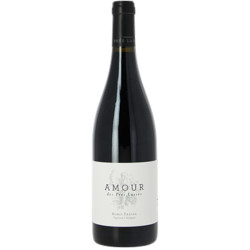
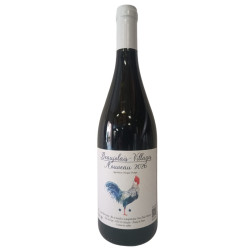
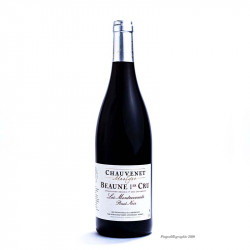
Regional charcuterie tends to pair well with a red from the same region: the board and the glass come from the same place. For charcuterie piece by piece, from saucisson to rillettes, read our article what to drink with charcuterie.
Several French cured meats carry an official EU label that sets where and how they are made. For a Protected Designation of Origin (PDO), every production step takes place in the defined area; for a Protected Geographical Indication (PGI), at least one of them does.
Lacaune and Ardèche: PGI Hams and Saucisson
In the Tarn, Lacaune ham and saucisson have held PGI status since 2015; they come from the Monts de Lacaune. The Gaillac vineyards lie in the same department. We suggest a red Gaillac, a wine that can include Duras, Braucol (Fer Servadou) and Syrah.
More broadly, our red wines from Southwest France offer other options for a regional board, such as Négrette from Fronton or Malbec from Cahors.
Ardèche saucisson and ham have their own PGI too. In the same department, on the right bank of the Rhône, Cornas and much of Saint-Joseph make Syrah-based reds; farther south, Côtes du Vivarais blends Grenache and Syrah. For a plate of Ardèche saucisson, pick from our red wines from the Rhône Valley.
Coppa, Lonzo and Prisuttu: Three Corsican PDOs
Since 2014, three Corsican cured meats have been PDOs: coppa, made from the pork collar, lonzo, made from the loin, and Corsican dry-cured ham, or prisuttu. Coppa and lonzo come from Nustrale pigs, a Corsican breed finished between October and March on acorns and/or chestnuts.
The fat-to-lean ratio is fixed: 30 to 50% for coppa, 25 to 35% for lonzo. With prisuttu, we recommend a Corsican red that already has a few years of bottle age. For a full board, choose from our red wines from Corsica and slice the charcuterie thin.
Morteau and Montbéliard: Hot Sausages from Franche-Comté
Morteau sausage has been a PGI since 2010, Montbéliard sausage since 2013. Both come from Franche-Comté, in eastern France, are smoked and served hot, with potatoes, lentils or in a pork and vegetable stew. You can spot a Morteau sausage by its cheville, a small wooden peg that closes one end.
With Montbéliard sausage, a light red from eastern France keeps the dish hearty without weighing it down: a Pinot Noir from Alsace or a Poulsard from the Jura, for example.
Frequently Asked Questions About Red Wine and Charcuterie
What red wine goes with Bayonne ham?
With Bayonne ham, serve a fruity red with gentle tannins, such as a Négrette-based Fronton from Southwest France. Bayonne ham has held PGI status since 1998 and is salted and dried in the Adour basin.
What red wine goes with Corsican coppa or lonzo?
With Corsican coppa or lonzo, serve a red from Corsica, such as a Patrimonio or an Ajaccio. Patrimonio, made mostly from Nielluccio, suits the richer coppa; Ajaccio, based on Sciaccarello, goes with the leaner lonzo.
What red wine goes with Morteau sausage?
With Morteau sausage, serve a light red from eastern France, such as a Trousseau from the Jura or a Pinot Noir from Burgundy. Its smoky, rich flavor calls for freshness rather than powerful tannins.
Where can you buy red wine for charcuterie direct from the winemaker?
You can buy red wine for charcuterie direct from the winemaker on Avenue des Vins. The producer packs and ships your order directly.
See also: Light and fruity red wines - Red wines and red meats - Beaujolais Wine