Delivery from €16,90 per winemaker in Europe (excluding the United Kingdom)


Mineral white wines
Mineral white wines are characterized by their freshness and purity, with notes of flint and lime. Perfect for pairing with seafood, fish, and light dishes, these wines offer a sensation of lightness and elegance. Their mineral and refreshing profile brings a delicate structure to the palate, often complemented by a lively acidity that enhances the flavors of refined dishes. Explore the richness of our selection of mineral white wines to add a touch of sophistication to your meals and experience the authentic taste of unique terroirs. Ideal for tasting moments with friends or family, these wines will impress with their finesse and unmistakable character, bringing a refined touch to any occasion.
Filtrer


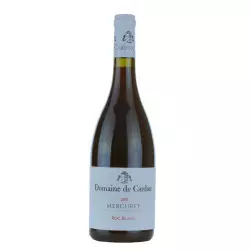


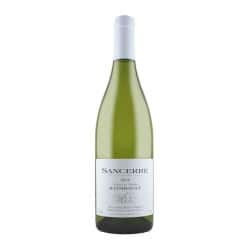


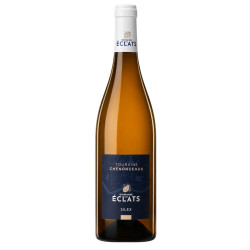
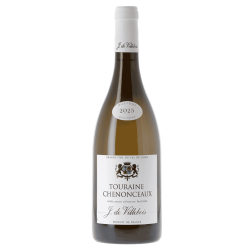
Flint, Brine or Tension: Minerality and Sensory Research
“Mineral” is a taster’s word. People use it for whites as different as a Loire Sauvignon Blanc, a Burgundy Chardonnay or a Melon de Bourgogne from Muscadet, and each brings their own images: seashells, brine, gunflint, tension on the palate. Yet sensory research shows the word remains ill-defined, with no shared meaning.
One Word, Many Meanings Depending on the Taster’s Experience
In 2016, Deneulin, Le Fur and Bavaud analyzed the open-ended answers of 1,697 French-speaking consumers (Food Research International). Their starting point: minerality has no precise definition, and no meaning is agreed on, even among wine professionals.
Answers shift with experience. The least experienced had never heard the word applied to wine; others tie it to the idea of terroir. The most seasoned drinkers link it to sensations: the smell of struck flint (gunflint) or acidity, also described as tension on the palate.
Shellfish, Copper, White Fruit: What One Study Measured in Chablis
In 2017, a team from the Center for Taste and Feeding Behavior in Dijon and Spanish laboratories (Rodrigues et al., Food Chemistry) had wine professionals rate Chablis wines, then analyzed them. On the nose, wines from the left bank of the Serein River were judged more mineral than those from the right bank.
Those wines contained more methanethiol, a sulfur compound involved in shellfish aroma. The wines judged less mineral had more copper, linked to lower free methanethiol, and more norisoprenoids, which give white fruit and floral aromas. The study describes measured links without naming one cause.
Geologist Alexander Maltman (Journal of Wine Research, 2013) argues that the minerals in wine are nutrient elements, present in tiny, flavorless amounts and only distantly related to the crystalline minerals in rocks. In his view, minerality cannot literally be the taste of minerals drawn from the vineyard soil.
Grape, Appellation, Sur Lie: Label Terms Set by the Rules
To choose your white, start with what the label guarantees. When it names a single grape variety, EU Delegated Regulation 2019/33 (Article 50) requires the wine to contain at least 85% of that variety.
A white Touraine-Chenonceaux is made only from Sauvignon Blanc, as the Touraine appellation requires. A Burgundy Aligoté or an Alsace Chasselas shows its grape right on the label.
In the Loire, the sur lie term for Muscadet Sèvre et Maine is regulated too (rules published December 11, 2025): Melon de Bourgogne only, no more than one summer in tank or barrel, and the wine still on its fine lees when bottled.
These rules also use the word “minerality” in their descriptive section, for instance for wines from Gorges, without making it a label term.
Labels, Experts, Mineral Water: Three Questions About Mineral White Wine
Is Mineral a Regulated Term on a Wine Label?
On a mineral white wine’s label, the word mineral is not a regulated term: it is a tasting word. EU Delegated Regulation 2019/33, which governs wine labeling, never mentions it, while it does define terms such as brut, dry or medium dry.
Do Wine Experts Agree on What Makes a White Wine Mineral?
On mineral white wine, experts disagree: a study of 16 Burgundy Chardonnays found three groups of experts with very different picks. Published in 2013 by Ballester, Mihnea, Peyron and Valentin, it calls minerality an ill-defined sensory concept. A wine one expert finds mineral may not seem so to another.
Does a Mineral White Wine Have Anything to Do with Mineral Water?
A mineral white wine has no established link with mineral water: the comparison comes mostly from less experienced consumers. In the 2016 survey by Deneulin, Le Fur and Bavaud, it was mainly young women with little wine knowledge who linked minerality to the ions found in bottled water.
Where to Buy Mineral White Wines Direct from the Winemaker?
You can buy mineral white wines direct from the winemaker on Avenue des Vins. Every wine’s page gives the name of its producer.
See also: Dry white wines - Fruity white wines - White wines with sushi