Delivery from €16,90 per winemaker in Europe (excluding the United Kingdom)


AOC Touraine-Chenonceaux
In northwestern France, the Loire vineyard runs from the Massif Central to Nantes and is known for appellations such as Chinon, Bourgueil and Pouilly-Fumé. AOC Touraine-Chenonceaux is a named area of AOC Touraine that covers 26 communes on both banks of the Cher, on limestone, clay and flint soils. Cabernet Franc, Côt and Sauvignon Blanc grow there under a temperate climate with a softened ocean influence, making white and red wines. The reds are powerful and round; the whites are lively and aromatic, with citrus, ripe fruit and floral notes.
Filtrer



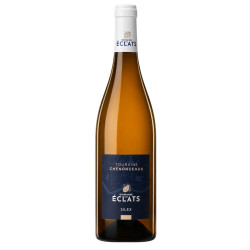

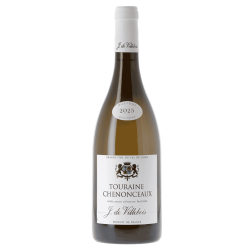
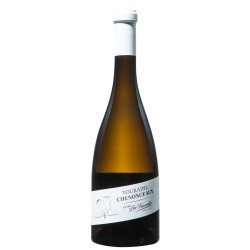
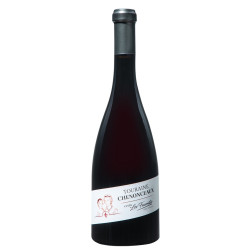
Touraine-Chenonceaux in Loire Valley Château Country
The name Chenonceaux is added to AOC Touraine for wines from the slopes of the lower Cher Valley, across the Indre-et-Loire and Loir-et-Cher departments. The vines sit mostly near the tops of the slopes, in flint-rich soils. Only still, dry wines are made here, in white and red.
Côt, the Grape of the Cher Slopes for Two Centuries
Côt has been grown on the slopes of the Cher for more than two centuries. In the 18th century, a vineyard grew up in the lower Cher Valley, around the towns of Bléré, Thésée, Montrichard and Chenonceaux.
In 1804, a farm survey taken in Year XII of the French Republic named Côt as the main grape on the south-facing "côtes du Cher," the slopes of the Cher. In 1845, Count Odart's "Ampélographie," a study of grape varieties, called it the most widely grown grape on the banks of the Cher and the Lot.
Later on, Touraine growers built up their Sauvignon Blanc and Gamay wines. From 1985, growers in the Cher Valley replanted Côt and Sauvignon Blanc on the first hillsides, where the soils are warm and free-draining.
Their work led to the recognition of Chenonceaux in 2011. Côt remains the main grape of the red there, and Sauvignon Blanc alone makes the white.
History of the AOC Touraine Chenonceaux
The AOC Touraine-Chenonceaux, located in the beautiful Loire Valley châteaux region, is a relatively recent designation that stands out within the regional AOC Touraine by the uniqueness of its wines. Established in 2011, this designation pays homage to the elegance and rich history of the Touraine region through the exceptional quality of its red and white wines and the dedication of its passionate winemakers.
Climate and Terroir of the AOC Touraine Chenonceaux
Climate: The AOC Touraine Chenonceaux benefits from a temperate climate with oceanic influences. This moderate climate is ideal for viticulture, allowing for a slow and even ripening of the grapes.
Soils: The terroir is characterized by a diversity of soils, including clays, sands, and gravels, which contribute to the unique complexity of the wines. The vines also benefit from the proximity of the Loire and Cher rivers, which regulate temperatures and reduce the risk of frost.
Signature Grape Varieties of the AOC Touraine Chenonceaux
The red wines of the AOC Touraine Chenonceaux are primarily made from Cabernet Franc and Côt (or Malbec), both known for their ability to produce expressive and elegant wines. The white wines are exclusively made from Sauvignon Blanc, offering fresh, aromatic wines with beautiful acidity.
Style of AOC Touraine Chenonceaux Wines
Red Wine: AOC Touraine Chenonceaux red wines feature a brilliant ruby red color. On the nose, they reveal aromas of fresh red fruits, accompanied by spicy and floral notes. On the palate, there is a perfect balance between the tannic structure and roundness, with a long and pleasant finish.
White Wine: The white wines display a clear and bright color. Their nose is dominated by notes of citrus and white-fleshed fruits, with occasional mineral or floral touches. The palate is lively and fresh, captivating with its complex aromatic bouquet and intense finish.
Best Food Pairings with AOC Touraine Chenonceaux Wines
Here are some tailored food pairing ideas to accompany a bottle of red or white wine from an AOC Touraine Chenonceaux estate or château:
- White Wine: Warm goat cheese salad, trout with sorrel, green asparagus with pecorino.
- Red Wine: Bacon-wrapped rabbit saddles, bone-in ham, Flemish carbonade.
From Aging to Vineyard Care: What Sets Touraine-Chenonceaux Apart
How long is Touraine-Chenonceaux aged?
White Touraine-Chenonceaux is aged at least until April 30 of the year after the harvest, and red at least until August 31. That time gives the white roundness and finesse, and the red round, silky tannins.
How is a red Touraine-Chenonceaux blended?
A red Touraine-Chenonceaux is 65 to 80% Côt, its main grape, blended with Cabernet Franc. In the vineyard, Côt covers 50 to 90% of each estate's red plantings, and Cabernet Franc 10 to 50%.
How are Touraine-Chenonceaux vineyards farmed?
In Touraine-Chenonceaux, all chemical weeding is banned on the plots, and their edges stay grassed over year-round. The vines are planted close together: at least 5,000 per hectare (about 2,000 per acre), with rows no more than 2 meters (6.6 feet) apart.
Where can you buy Touraine-Chenonceaux direct from the winemaker?
You can buy Touraine-Chenonceaux, sold by the producer, on Avenue des Vins. Every wine's page lists its grape varieties.
See also: AOC Touraine - AOC Vouvray - AOC Cheverny