Delivery from €16,90 per winemaker in Europe (excluding the United Kingdom)


IGP de Méditerranée
Produced in the southeast of France, the white, rosé and red wines of the IGP Méditerranée appellation are known for their great diversity. Recognized in 1999 as Vin de Pays de Méditerranée, this IGP mostly produces blends. They are built on a core group of grapes, including Grenache, Cinsault and Carignan for reds and rosés, and Vermentino and Marsanne for whites.
Filtrer


- Sold out
- Without So2

- Sold out
- Without So2

- Without So2


- Bio
- Favorite


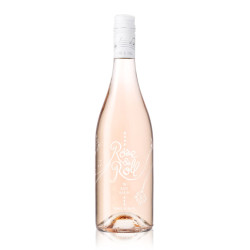


IGP Méditerranée: Ten Full Départements and Nearly 80 Towns
IGP Méditerranée nearly quintupled its output in twelve years, from 100,000 hectoliters in 2000 to 475,000 in 2012 (about 12.5 million US gallons). Figures for that same year put exports at 44% of production each year and counted 174 independent wineries, 79 co-ops and 51 négociants.
An IGP That Reaches Well Beyond Provence
IGP Méditerranée covers ten full départements: Alpes-de-Haute-Provence, Hautes-Alpes, Alpes-Maritimes, Bouches-du-Rhône, Var and Vaucluse, but also Ardèche, Drôme, Corse-du-Sud and Haute-Corse. Nearly 80 towns and villages in Isère, Loire and Rhône, farther north, are included too, among them Vienne and Condrieu.
The IGP Méditerranée area falls into four parts: Corsica, with mostly coastal vineyards, largely on granite or schist; Provence; the Southern Alps, where vines grow on sunny slopes and along the Durance valley; and the Rhône Valley.
In the Drôme, two smaller geographic units can follow the IGP name: Comté de Grignan, covering 46 communes, and Coteaux de Montélimar, covering 37. They tell you where the grapes were picked; the grape and yield rules stay those of IGP Méditerranée.
IGP Méditerranée also makes quality sparkling wines, from the liveliest base wines, lowest in alcohol. Two-thirds of them are rosé. The tank method (Charmat) is the most common, ahead of second fermentation in the bottle.
History of the IGP Méditerranée Appellation
The IGP Méditerranée is an appellation that encompasses a vast wine-growing area covering several departments in southeastern France, including Provence and part of the Rhône Valley. This designation was created to meet the growing demand for quality, accessible wines while allowing winemakers greater freedom in grape selection. Thanks to its sunny climate and generous lands, IGP Méditerranée produces wines that reflect the diverse identity of the Mediterranean terroir.
Climate and Terroir of the IGP Méditerranée Appellation
- Climate: With typically Mediterranean weather characterized by hot, dry summers and mild winters, the climate of IGP Méditerranée is one of the key factors in the quality of wines produced under this appellation. Winds, such as the mistral, also play an important role, keeping the vines healthy by reducing humidity.
- Soils: Soils vary across the region, from limestone and clay to stony terraces, allowing vines to benefit from natural drainage and rich mineral content.
Grape Varieties of IGP Méditerranée
IGP Méditerranée permits a wide range of grape varieties, offering winemakers creative flexibility in producing their wines. Red grape varieties include Syrah, Grenache, Carignan, Mourvèdre, Cinsault, Merlot, and Cabernet Sauvignon. The most common white grape varieties are Vermentino, Clairette, Grenache Blanc, Roussanne, and Viognier.
Styles of IGP Méditerranée Wines
- Red Wine: Deep ruby red color. The nose is dominated by aromas of red and black fruits (cherry, blackberry) with hints of spice and garrigue. On the palate, IGP Méditerranée reds are rich, round, and have velvety tannins.
- Rosé Wine: Pale pink color. IGP Méditerranée rosés reveal aromas of fresh red fruits (strawberry, raspberry) and floral notes. On the palate, they are fresh, light, and well-balanced.
- White Wine: Pale yellow color with a highly floral nose, displaying aromas of white flowers, citrus, and sometimes exotic fruits. On the palate, IGP Méditerranée whites are fresh and mineral, often with a saline finish.
Best Food Pairings with IGP Méditerranée Wines
Here are some recipe ideas for pairing a red, white, or rosé wine from a domaine or château in IGP Méditerranée:
- White Wine: fresh goat cheese, seafood, octopus salad
- Rosé Wine: niçoise salad, shrimp with mayonnaise
- Red Wine: roast pork, charcuterie board, beef skewers on the barbecue
Reading an IGP Méditerranée Label
What does “Vin de pays” mean on an IGP Méditerranée label?
On an IGP Méditerranée label, “Vin de pays” is a traditional term that can replace the words “Indication géographique protégée.” It means the same thing as Protected Geographical Indication, and the EU’s IGP logo then appears on the bottle. The wine follows the same rules: only the wording changes.
Can an IGP Méditerranée wine name its grape variety on the label?
An IGP Méditerranée wine can name one or more grape varieties on the label, whether still or sparkling. A single named grape makes up at least 85% of the wine; when several are named, they account for the whole blend and appear in descending order.
Is there an IGP Méditerranée primeur?
IGP Méditerranée can carry the term “primeur” or “nouveau” on its still wines, red, rosé and white alike. Its quality sparkling wines cannot use it.
Where can you buy IGP Méditerranée wine direct from the winemaker?
You can buy IGP Méditerranée wine direct from the winemaker on Avenue des Vins. The wine comes to you directly from the producer who made it.
See also: IGP Var - IGP Hautes-Alpes - IGP Coteaux du Verdon