Delivery from €16,90 per winemaker in Europe (excluding the United Kingdom)


AOC Languedoc
The AOC Languedoc is a regional designation that includes wines that are produced in the Languedoc-Roussillon region, on most of the Hérault, Aude, Gard and Pyrénées-Orientales departments. The vines that spread over no less than 7,900 hectares flourish on diverse terroirs and in the gentle Mediterranean climate. The designation is mostly known for its numerous reputed red wines. Its neighbors include renowned appellations such as Faugères, Saint-Chinian, Grès de Montpellier, La Clape, Picpoul de Pinet, Pic Saint-Loup and Corbières; Pézenas is one of its own subzones. The region's grape varieties are the reason of this richness: Syrah, Grenache, Carignan, Cinsault and Mourvèdre vines are planted. But the red wine production is only forty percent of the total in the area. Indeed, it is in rosé that winegrowers vinify the most, up to half of the annual production. The white wines are essentially made of Grenache, Piquepoul, Bourboulenc, Marsanne and Roussanne.
Filtrer

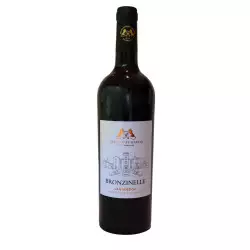


Commanderie Saint Pierre La Garrigue - Cru d'Exception Rosé
Domaine de Marmorières Languedoc Roussillon
€16.00
- Bio
- HVE

Côté Mas Cru Pezenas - Terroir Fusionnel
Château Paul Mas - Domaines Paul Mas Languedoc Roussillon
€12.00

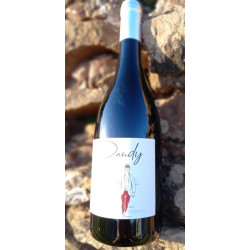
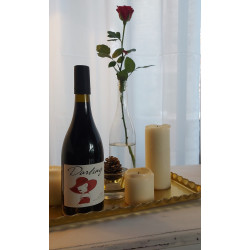


- Biodynamic
- Bio
- Without So2
- Vegan


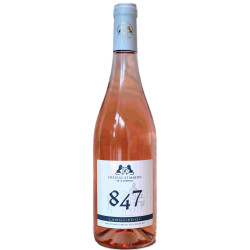


AOC Languedoc: One Regional Appellation, Nine Subzones
AOC Languedoc brings together, under one name, hillsides near the sea and steeper slopes inland. For this appellation alone, the Languedoc wine council (CIVL) counts 391 independent wineries and 63 co-ops. Some of its terroirs can add their name to the label; others belong to neighboring appellations that are easy to confuse with it.
Pézenas, Sommières, Quatourze: When AOC Languedoc Names Its Terroir
AOC Languedoc was recognized in 1985 under the name Coteaux du Languedoc, which had brought together renowned hillside vineyards, mostly in the Hérault, since 1960. A decree of April 30, 2007, gave it its current name and extended its area to that of seven other appellations: Cabardès, Collioure, Corbières, Côtes du Roussillon, Fitou, Limoux and Minervois.
With Collioure and Côtes du Roussillon, the area takes in vineyards in the Pyrénées-Orientales. At the other end, the Sommières subzone covers a circle 20 kilometers (about 12 miles) across, west of Nîmes, in the Gard. Eight other geographic subzones can follow the Languedoc name on the label: Cabrières, La Méjanelle, Pézenas, Quatourze, Saint-Christol, Saint-Drézéry, Saint-Georges-d’Orques and Saint-Saturnin.
All of them apply to red wines, under stricter rules. The appellation already requires at least two grape varieties in a red; in Saint-Christol and Saint-Saturnin, the minimum is three. White AOC Languedoc always carries the Languedoc name alone.
Faugères, Saint-Chinian, Grès de Montpellier, La Clape, Picpoul de Pinet and Pic Saint-Loup are not on that list: they are separate AOCs, each with its own rulebook. The Languedoc wine council ranks them as subregional or village appellations, with more tightly defined terroirs.
History of the AOC Languedoc Appellation
The vineyard of the AOC Languedoc appellation has a rich history that dates back more than 2,000 years. The Romans played a crucial role in the development of viticulture in the region, introducing new cultivation and winemaking techniques.
Climate and Terroir of the AOC Languedoc Appellation
Climate:
The AOC Languedoc vineyard benefits from a warm and sunny Mediterranean climate. Hot, dry summers and mild winters promote optimal grape ripening.
Soils:
The terroir of the AOC Languedoc appellation is mainly composed of rolled pebbles, clay, limestone, and schist.
Key Grape Varieties of the AOC Languedoc Appellation
Wines from the AOC Languedoc can be made from a wide variety of Mediterranean grape varieties, such as:
- Syrah (red and rosé)
- Grenache (red and rosé)
- Mourvèdre (red and rosé)
- Carignan (red and rosé)
- Cinsault (red and rosé)
- Marsanne (white)
- Roussanne (white)
- Piquepoul (white)
- Bourboulenc (white)
- Clairette (white)
- Grenache Blanc (white)
Style of AOC Languedoc Wines
White:
Bright straw-yellow color with green highlights. The aromatic palette ranges from yellow fruits (apricot, peach), citrus, white flowers, and sometimes exotic fruit notes, all while remaining very balanced on the palate.
Rosé:
With their pale pink color and fruity (strawberry, grenadine, citrus) and floral (acacia) nose, Languedoc rosés are round and smooth. On the palate, they are lively and refreshing, offering crunchy red fruit flavors and good acidity.
Red:
Deep red color with violet reflections. The nose reveals aromas of ripe red fruits, spices, garrigue herbs, and sometimes oaky notes. On the palate, Languedoc reds can be supple and fruity, or full-bodied and structured depending on the winery.
The Best Food and Wine Pairings with AOC Languedoc Wines
Although AOC Languedoc wines vary greatly depending on the terroir and winemaker, here are some pairing ideas for successful food and wine matches:
- White: Crab salad, guacamole, fried calamari
- Rosé: Aperitif, aioli
- Red: Lamb chops, grilled meats, grilled chorizo
What People Often Ask About AOC Languedoc
Can a Faugères or Corbières winemaker produce AOC Languedoc?
A winemaker in Faugères, Corbières or Pic Saint-Loup can produce AOC Languedoc from vineyard plots that meet its production rules. The grower files a declaration before August 15 ahead of the harvest. The wine is then labeled Languedoc rather than with the name of the neighboring appellation.
When can a red AOC Languedoc from a named subzone go on sale?
A red AOC Languedoc from a named subzone is aged before release and can go on sale no earlier than June 1 of the year after the harvest. The date moves to July 1 in Saint-Georges-d’Orques, September 1 in Pézenas, Saint-Drézéry and Saint-Saturnin, and December 1 in Sommières.
How much of the Languedoc vineyard is AOC Languedoc?
The delimited AOC Languedoc area covers less than a third of the region’s vineyard land. It accounts for under 15% of regional wine output, and its plots range from sea level up to 400 meters (about 1,300 feet), on slopes with good exposure.
Where can you buy AOC Languedoc wine direct from the winemaker?
You can buy AOC Languedoc wine direct from the winemaker on Avenue des Vins. Your order ships straight from the producer, with no middleman.
See also: AOC Minervois Wine - AOC Côtes du Roussillon - AOC Cabardès