Delivery from €16,90 per winemaker in Europe (excluding the United Kingdom)


AOC Limoux
AOC Limoux: The Art of Traditional Method Wines. Explore AOC Limoux, an appellation known for its sparkling and still wines. Dive into the world of grape varieties and winemaking methods that contribute to the reputation of this wine region. This name covers still whites and reds, plus sparkling whites whose labels may carry the term “blanquette de Limoux” or “méthode ancestrale.” Crémant de Limoux is a separate appellation.
Filtrer


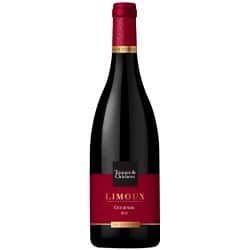
Château Martinolles Limoux Rouge "Le Garriguet"
Château de Martinolles - Domaines Paul Mas Languedoc Roussillon
€12.90


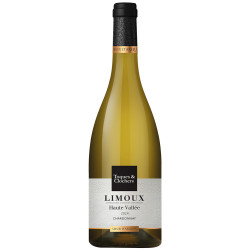
Cuvée Limoux Blanc Vieilles Vignes
Château de Martinolles - Domaines Paul Mas Languedoc Roussillon
€13.90

- Sold out
- Bio
- Biodynamic





Upland Vines Between Mediterranean and Ocean Air
Around Limoux, vines grow at 330 to 820 feet (100 to 250 m) on the gentle northern hills and climb to 980 to 1,640 feet (300 to 500 m) on the steep southern slopes. The area divides into four sectors: the earliest, in the northeast, gets Mediterranean warmth; in the west, the oceanic influence brings more rain and milder temperatures.
History of the AOC Limoux
Nestled at the foot of the Pyrenees, the Limoux vineyard boasts a viticultural history that dates back to antiquity. However, it is particularly famous for its pioneering role in the production of sparkling wine as early as the 16th century, long before Champagne gained its fame. Established as an appellation in 1959, Limoux offers red wines, still white wines, and sparkling white wines that have made its reputation.
Climate and Terroir of the AOC Limoux
- Climate: AOC Limoux benefits from a unique climate where Mediterranean influences from the Languedoc region meet oceanic influences. This, coupled with the altitude of its vineyards, ensures beneficial thermal variations for the ripening of the grapes.
- Soils: The soils of the Limoux appellation vary between clay-limestone, schist, and gravel, adding complexity and diversity to the wines.
Key Grape Varieties of the AOC Limoux
Mauzac, Chardonnay, and Chenin Blanc are the main grape varieties for the still and sparkling white wines of AOC Limoux. Mauzac, locally known as "Blanquette," is the historic grape variety of Blanquette de Limoux. For AOC Limoux red wine, Merlot, Cabernet Franc, Cabernet Sauvignon, and Malbec are commonly used, producing deep and full-bodied wines.
Style of AOC Limoux Wines
White Wine:
- Appearance: Pale gold color.
- Nose: Aromas of white flowers, citrus, and sometimes toasted notes.
- Palate: Fresh, round, and harmonious.
Sparkling White Wine:
- Appearance: Fine and persistent bubbles.
- Nose: Fresh with notes of green apple (for Blanquette) or more complex notes of white-fleshed fruits and brioche (for Crémant de Limoux).
Red Wine:
- Appearance: Ruby hue.
- Nose: Aromas of red and black fruits, spices, and sometimes vanilla.
- Palate: Structured with silky tannins.
Best Food Pairings with AOC Limoux Wines
Here are some suggestions for creating the best food and wine pairings with a bottle of wine from an estate or château in AOC Limoux, whether still or sparkling:
White Wine:
- Perfect with a fricassée of Limoux, seafood lasagna, or Cabecou cheese.
Sparkling White Wine:
- Ideal as an aperitif, with seafood, crayfish timbales, or a cherry tart for dessert.
Red Wine:
- Enjoy as an aperitif with country pâté, with cassoulet, peasant-style lentils, or a honey and thyme lamb rack.
From Oak Barrel to Bottle Fermentation: How Each Limoux Is Made
Still white Limoux comes from Chardonnay, Chenin and Mauzac, alone or blended, all picked by hand. It must ferment in oak barrels, where it stays until at least January 1; aging then runs until at least April 15 after the harvest. The goal is to build aroma and aging potential.
Red Limoux gets the same minimum aging, to April 15, which gives its tannins time to round out. Like the still white, it cannot be offered to consumers before May 1 of the year after the harvest.
The sparkling wines rely on Mauzac. Under the term “blanquette de Limoux,” it makes up at least 90% of the blend; the wine goes through a second fermentation in bottle, then rests on its lees for more than nine months.
“Méthode ancestrale” uses Mauzac alone: the partly fermented must is bottled, often at the waning moon in March, and finishes there a fermentation that began in the tank, with no tirage or dosage liqueur added.
Blends, Branches and Dates: Your Limoux Questions
Which grapes go into a red Limoux?
A red Limoux blends at least three grapes, built around Merlot, which makes up 45% to 70% of the blend. Côt (Malbec), Grenache and Syrah together supply at least 20%, while Cabernet Franc and Cabernet Sauvignon stay at 35% or less. The mix brings together Atlantic and Mediterranean varieties.
What was vente au rameau in Limoux?
Vente au rameau, or selling by the branch, was a medieval custom in Limoux: sellers hung a branch on their door to show which wine they had. Laurel meant “vin de Blanquette,” while olive meant red wine.
Since when has red Limoux been an AOC?
Red Limoux has been an AOC since 2004, well after the area’s other wines. The sparkling wines earned AOC status on February 18, 1938, and the still whites in 1959, first under the name “Limoux nature.” The appellation puts the delay down to the whites’ fame, not to the quality of the reds.
Where can you buy AOC Limoux wine direct from the winemaker?
You can buy AOC Limoux wine direct from the producer on Avenue des Vins. Every wine’s page gives the name of its producer.
See also: AOC Crémant de Limoux - AOC Languedoc - AOC La Clape