Delivery from €16,90 per winemaker in Europe (excluding the United Kingdom)


AOC Haut-Médoc
Located in the south-west quarter of France, the Bordeaux wine region is renowned for its great wines. Among its many appellations is the AOC Haut-Médoc, which covers 4,800 hectares in 28 communes north of Bordeaux. Cabernet Sauvignon is the grape variety most commonly used to produce these red wines (the only color in the appellation), followed by Merlot, Cabernet Franc, Petit Verdot and Malbec. These wines have an aging potential of 5 to 15 years, and even longer for certain vintages.
Filtrer
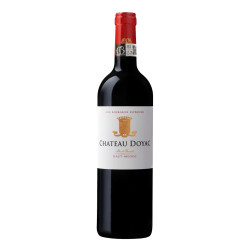


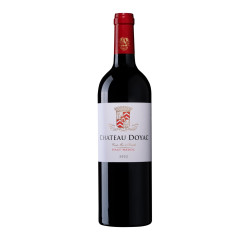
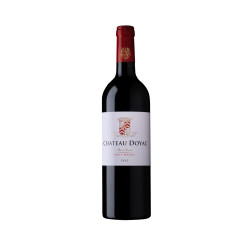


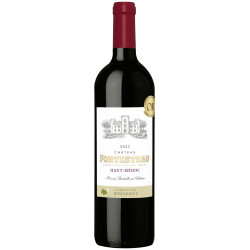


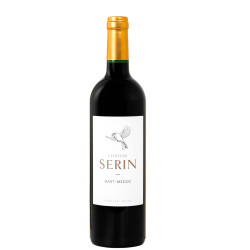
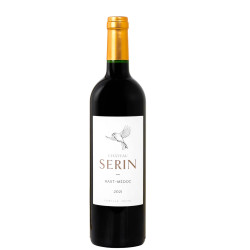
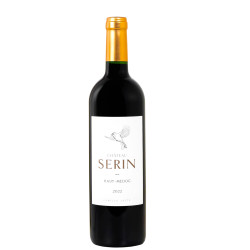


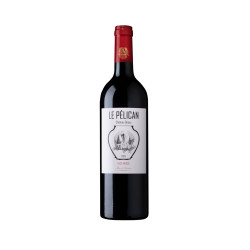






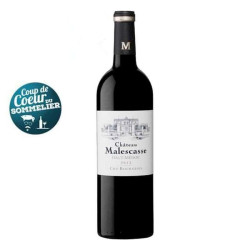
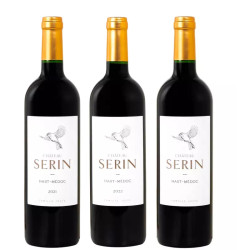

Haut-Médoc: The Appellation, Classified Growths and Crus Bourgeois
Recognized by decree on November 14, 1936, AOC Haut-Médoc covers 28 communes, from Le Taillan-Médoc, just north of Bordeaux, to Saint-Seurin-de-Cadourne. The area runs nearly 50 km (31 miles) from south to north and only slightly more than 10 km (6 miles) from east to west. Here, the appellation name and the château rankings work in two different ways.
The Name Follows the Plot, the Ranking Follows the Château
The Haut-Médoc name is tied to the vineyard. The wine comes only from plots delimited by INAO, France's appellation authority. Grapes must reach at least 189 grams of sugar per liter of juice for Merlot and 180 grams for other varieties, and the yield is set at 55 hectoliters per hectare. These rules apply to every Haut-Médoc, classified or not.
Rankings, by contrast, single out estates. Haut-Médoc owes its reputation above all to these rankings, which established the ideas of cru and château. As early as 1647, the Jurade de Bordeaux issued a first ranking of the wines of Guyenne, later refined under Louis XV by parish, then by cru.
The 1855 Classification, drawn up for the Paris Universal Exposition, enshrined this logic of crus. Among the growths in that classification, five carry the Haut-Médoc appellation. The Crus Bourgeois du Médoc belong to a separate classification: the 1932 list covered 444 crus, 153 of them in Haut-Médoc.
A Cru Classé or Cru Bourgeois mention is therefore added to the appellation name without changing its rules.
History of the AOC Haut-Médoc
Located on the left bank of the Gironde, Haut-Médoc is an iconic appellation in the Bordeaux vineyard. Its viticultural history dates back to Roman times, but it was during the Middle Ages that this region truly began to distinguish itself, thanks to the success of Bordeaux merchants. Today, AOC Haut-Médoc is globally recognized for its elegant and powerful red wines that age wonderfully.
Climate and Terroir of the AOC Haut-Médoc
- Climate: Thanks to the proximity of the Gironde estuary, the climate in Haut-Médoc is oceanic, with hot summers and mild winters. This temperate climate favors the harmonious maturation of grapes.
- Soils: The appellation is renowned for its gravelly and well-drained soils, providing an ideal terroir for Bordeaux grape varieties, particularly Cabernet Sauvignon.
Key Grape Varieties of the AOC Haut-Médoc
Cabernet Sauvignon dominates in AOC Haut-Médoc, bringing structure and aging potential to the wines. However, Merlot is also very present, contributing roundness and fruity notes. Together, they create harmonious wines that are both powerful and velvety, often with a touch of Cabernet Franc, Malbec, or Petit Verdot.
Style of AOC Haut-Médoc Wines
- Appearance: Deep red color, ranging from ruby to dark garnet.
- Aroma: Aromas of ripe black fruits (blackcurrant), violet, vanilla, and spices. With age, notes of undergrowth, leather, and tobacco emerge.
- Palate: On the palate, AOC Haut-Médoc wines are structured yet elegant, with powerful and silky tannins ensuring good aging potential.
- Serving Temperature: 16-18°C.
- Aging Potential: These wines have excellent aging potential, maturing in the cellar for 8 to 15 years, or even longer for exceptional vintages.
Best Food Pairings with a Wine from AOC Haut-Médoc
Here are some perfect food and wine pairings with a red Bordeaux wine from a domain or château in AOC Haut-Médoc:
- Magret de Canard (Duck Breast)
- Lamproie à la Bordelaise (Lamprey Eel in Bordeaux Sauce)
- Entrecôte with Mushroom Sauce
- Roast Leg of Lamb
Haut-Médoc, from the Name to the Vines
Why is the appellation called Haut-Médoc?
The appellation is called Haut-Médoc, or “Upper Médoc,” because it groups the Médoc communes upstream on the Gironde estuary, closer to Bordeaux. Its area is part of the AOC Médoc zone. Merlot plays a smaller role than in Médoc, and barrel aging is more common.
How much wine does the Haut-Médoc appellation produce?
The Haut-Médoc appellation produces an average of 250,000 hectoliters of still red wine a year, a figure given in the appellation rules approved in 2025. That comes to about 33 million standard 750 ml bottles.
Why are Haut-Médoc vines planted so densely?
Haut-Médoc requires at least 6,500 vines per hectare (about 2,630 per acre) at planting, in rows no more than 1.80 m (5 ft 11 in) apart. This tight spacing and a limited crop per vine should give very ripe, healthy grapes. Vines in place by July 2009 at 5,000 or more per hectare keep the appellation until 2035.
Where can you buy AOC Haut-Médoc wines direct from the winemaker?
You can buy AOC Haut-Médoc wines direct from the winemaker on Avenue des Vins. The producer packs and ships your order directly.
See also: AOC Médoc - AOC Listrac-Médoc - AOC Pessac-Léognan