Delivery from €16,90 per winemaker in Europe (excluding the United Kingdom)


AOC Crémant de Loire
In the northwest of France, the Loire vineyard extends from the Massif Central to Nantes over some 70,000 hectares of vines. It is known for the Chinon, Bourgueil and Pouilly-Fumé appellations among others. The AOC Crémant de Loire is also found there. The appellation area of this AOC extends in the Loire Valley over some 3,150 hectares of clay-limestone or schist soils. Cabernet Franc, Cabernet Sauvignon, Chenin and Chardonnay vines in the majority, subject to the temperate climate and oceanic influences of this geographical area, are planted in this appellation and produce sparkling white and rosé wines, according to the "traditional method". The whites are fresh, ample and express a rich and complex bouquet marked by fruits, dried fruits, white flowers or even notes of brioche, honey or butter. Just as fresh, the rosés are round on the palate and reveal notes of red fruits (raspberry, redcurrant, strawberry).
Filtrer


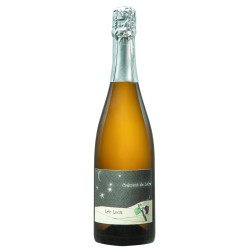
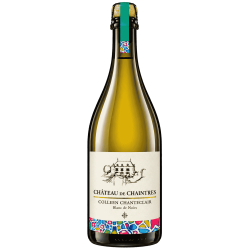


Crémant de Loire: Sparkling Wine Born Around Saumur
Every Crémant de Loire starts out as a still wine, the base wine, and only turns sparkling once it is in the bottle. Chenin Blanc led the way: its wines take readily to a second fermentation, a trait the producers of Saumur and Vouvray knew how to put to use.
From Second Fermentation to the “Vin de Loire” Label
The second fermentation always takes place in the glass bottle. The wine then rests on its lees, the sediment left by the yeast, for at least nine months, and at least a year must pass between bottling and release. Before disgorging, the pressure reaches at least 4 bar (58 psi), measured at 68°F (20°C).
Since June 2026, the label may add the geographical name “Vin de Loire” to the appellation name, in lettering no more than two-thirds the size of “Crémant de Loire.”
The same revision allows seven adaptation varieties: Artaban, Gascon, Gouget, Jacquère, Sacy, Vidoc and Voltis. Artaban, Vidoc and Voltis resist the main vine diseases. Their share stays small, generally no more than 5% of a producer’s vineyard and 10% of a blend (20% under 3 hectares, about 7.4 acres), and their names never appear on the label.
History of the AOC Crémant de Loire Appellation
AOC Crémant de Loire is a regional appellation covering a vast area from Anjou to Touraine. Historically, the first Crémants de Loire date back to the early 19th century, particularly produced in the Saumur region. The wines of the AOC Crémant de Loire appellation (officially recognized in 1975) are sparkling wines made using the traditional method, the same process as Champagne. This method gives Crémant de Loire wines remarkable finesse and elegance while remaining affordably priced.
Climate and Terroir of the AOC Crémant de Loire Appellation
- Climate: The Loire Valley vineyard enjoys a temperate oceanic climate characterized by mild, sunny summers and cool winters.
- Soils: The terroir of AOC Crémant de Loire is vast and highly diverse. The soils are primarily clay-limestone, schist, and silica-based, contributing to the complexity of the wines produced.
Essential Grape Varieties of the AOC Crémant de Loire
AOC Crémant de Loire stands out for the diversity of its grape varieties. The proportion of each grape varies depending on the estate and the cuvée, offering a wide range of styles and flavors within the appellation. The key grape varieties include:
White grapes:
- Chardonnay
- Chenin Blanc
- Orbois
- Grolleau Gris
Red grapes:
- Cabernet Franc
- Cabernet Sauvignon
- Grolleau
- Pinot Noir
- Pineau d’Aunis
Style of AOC Crémant de Loire Wines
White Crémant de Loire:
Pale yellow color with golden reflections. They express aromas of citrus fruits, white flowers, and sometimes brioche. On the palate, these crémants are fresh, refined, and well-balanced, with a lively character.
Rosé Crémant de Loire:
Light pink color with salmon hues. On the nose, Crémant de Loire rosés reveal aromas of red berries (raspberry, redcurrant) and floral notes. On the palate, they are fresh, delicate, and deliciously fruity.
Best Food and Wine Pairings with AOC Crémant de Loire
Here are some dish suggestions to pair with a bottle of Crémant de Loire from a domaine or château, whether white or rosé:
- White Crémant: Aperitif, oysters, apple crumble
- Rosé Crémant: Aperitif, raspberry tart, salmon tartare
Crémant de Loire Answers: Where It’s Made, Its Saumur Roots, Which Grapes
Which French departments produce Crémant de Loire?
Crémant de Loire is produced in five French departments: Maine-et-Loire, Indre-et-Loire, Loir-et-Cher, Deux-Sèvres and Vienne. Its area spans 246 communes along some 125 miles (200 km) of the Loire and its tributaries, the Vienne, Indre and Cher. Every stage of production takes place there.
Who developed sparkling Saumur wine in the 19th century?
Jean-Baptiste Ackerman began making traditional-method sparkling wine in Saumur in 1811, long before Crémant de Loire became an AOC. In 1838, a panel at the Angers industrial exhibition judged these wines able to rival Champagne. Many other producers soon followed.
Is Gamay allowed in Crémant de Loire?
Gamay isn’t among the approved grapes for Crémant de Loire, in either white or rosé. The black and gray grapes allowed are Cabernet Franc, Cabernet Sauvignon, Grolleau, Grolleau Gris, Pineau d’Aunis and Pinot Noir; the white grapes are Chardonnay, Chenin Blanc and Orbois.
Where can you buy Crémant de Loire direct from the winemaker?
You can buy Crémant de Loire direct from the winemaker on Avenue des Vins. Every wine’s page gives the name of its producer.
See also: AOC Saumur - AOC Touraine - AOC Vouvray