Delivery from €16,90 per winemaker in Europe (excluding the United Kingdom)

Vignobles Bertin
Vignobles Bertin: A family of winegrowers since 1742, blending Libournais tradition with today’s standards of excellence...
Lire plus


Discover Vignobles Bertin in photos


Vignobles Bertin: a winemaking family since 1742, between Libournais tradition and modern craft
Some estates are made to be visited. Others are made to be handed down.
At Vignobles Bertin, the vine has been a family affair since 1742. Not a "beautiful story" printed on a label, a genuine continuity, with its joys, its hard seasons and its stubborn patience, which ultimately produces wines that are simply right.
From Robert to Sarah: four generations of winemaking legacy
One of the defining turning points comes in 1937, when Robert Bertin takes over the family property. In 1948, he marries Yvette Bravard, herself from a winemaking family. She brings the estate a precious gift: 10 hectares in Montagne Saint-Émilion and 3 in Lalande-de-Pomerol. Together, they settle at Château Dallau and build, year after year, a solid, living vineyard deeply rooted in the Libournais.
In 1980, Robert passes away too soon. Yvette finds herself alone at the helm. She holds on. More than that: she grows the estate with quiet energy, legendary hospitality, and a simple idea of what wine should be — good, round, fruity, capable of improving without hurry.
A new generation shaped by genuine wine culture
The next chapter is written by Sarah Vital, Yvette's granddaughter. Guided by her grandmother's passion, Sarah trains in biology, then in oenology in Bordeaux, under the tuition of celebrated professors including Denis Dubourdieu and Yves Glories. She completes her path with a Master's in management and commercial training, then works in the Bordeaux wine trade, alongside grand crus, markets and the real demands of the profession.
Alongside Yvette from 2007, then full-time from July 2020, Sarah returns to what matters: the vineyard, the cellar and the precise gestures that move each vintage forward, without ever losing the soul of Dallau.
|
||
|
||
|
||
|
Three appellations, three terroirs, one signature
Across 42 hectares, Vignobles Bertin produces wines from three major Libournais appellations, each with its own character:
Château Dallau
AOC Bordeaux Supérieur · Sandy-gravelly soils · Saint-Denis-de-Pile, north of Libourne
A sought-after style: fruit, roundness and suppleness, with approachable tannins. Bright ruby, fresh red fruits, an easy-drinking balance. The gateway wine into the Bertin universe, true to the estate's spirit across generations.
Château Cardinal
AOC Montagne Saint-Émilion · Clay-limestone soils · Saint-Émilion satellite
More structured wines with excellent backbone and a slightly spiced profile. Ripe fruits, silky structure: Montagne Saint-Émilion at its finest, from one of the appellation's most respected satellite zones.
Clos l'Hermitage
AOC Lalande-de-Pomerol · Clay-sandy soils · Near Néac
A generous, precise wine, often marked by morello cherry and a silky texture. Deep purple, an ample mouth, melting tannins: the fleshy, velvety character of Lalande-de-Pomerol, just a few kilometres from Pomerol itself.
Rosé de Dallau
Rosé · Bordeaux · Château Dallau
Redcurrant, pear, instant freshness. Perfect as an aperitif, with grilled meats or fish on a summer terrace. A straight-talking estate rosé, as honest and direct as Château Dallau itself.
Pink Pearl
Sparkling rosé · Low dosage · Vignobles Bertin
Lively, gently sparkling and low-dosage: the Vignobles Bertin sparkling rosé, made for festive moments. Light bubbles, aromatic freshness — a refined alternative to traditional sparkling wines for every celebration.
The common thread running through all these wines? Merlot, the king grape of the Libournais, complemented by Cabernet Franc and Cabernet Sauvignon. The blend evolves year by year through gradual vine renewal, in perfect harmony with each soil type.
Careful delivery across France and Europe · Expert selection
In the vineyard and cellar: human craft above all
The estate runs like a well-kept household: the same teams, year after year, with a real transmission of expertise. Pruning, lifting, desuckering, budding, leaf removal where needed, all carried out in-house, with one clear aim: to control yields and achieve ideal ripeness.
When hands know the plots, the vines respond better.
Simple, but fundamental. Not a pose, the core of the Bertin method, applied for generations across the same Libournais parcels.
In the cellar: modern precision, Bordeaux spirit
Harvest takes place in late September through early October. After destemming and crushing, the grapes are vinified with care: controlled macerations, gentle extractions, pursuit of suppleness and balance, then ageing in vats or barrels for over a year.
Innovation and outside perspective, without losing the house style
The goal is not complexity for its own sake, but revelation. The estate draws on regular technical monitoring and oenological advice to improve without smoothing out the terroir's identity. Innovation, yes. Betrayal of origins, never.
A genuine, lasting environmental commitment: HVE Level 3 and sustainable farming
Committed to reasoned farming for over 20 years, Vignobles Bertin have banned all CMR-classified products (carcinogens, mutagens, reproductive toxins) from the entire vineyard.
The estate has been integrated into an Environmental Management System (SME) since 2018 and certified Haute Valeur Environnementale (HVE) Level 3, France's most demanding sustainable viticulture standard, from the 2019 vintage onwards. Concrete commitments extend into the cellar too: water management, working conditions, continuous improvement. Preserving soil, biodiversity and people: producing well today, and better still tomorrow.
What sets Vignobles Bertin apart in the Libournais
A presence since 1742. Few Bordeaux estates can claim such unbroken continuity on the same land. At Vignobles Bertin, history is not a marketing argument, it is visible in every parcel, every vine, every winemaking decision.
Three major Libournais appellations, one house. Bordeaux Supérieur, Montagne Saint-Émilion, Lalande-de-Pomerol: three distinct terroirs, three complementary styles, crafted with the same rigour from Saint-Denis-de-Pile to Néac.
HVE Level 3 and over 20 years of sustainable farming. Not an opportunistic conversion: a deep commitment, predating the certifications themselves, which led the Bertins to eliminate all CMR products well before it became an industry requirement.
Sarah Vital, scientific rigour in service of the terroir. Trained by Denis Dubourdieu and Yves Glories, forged in the Bordeaux wine trade, she brings a rare technical standard to an estate that has never compromised on quality. The alliance of inherited knowledge and trained expertise.
Frequently asked questions about Vignobles Bertin and their Libournais wines
Which Vignobles Bertin wine is the best introduction to the Libournais terroirs ?
For a first discovery, Château Dallau (Bordeaux Supérieur) is the ideal starting point: fresh red fruits, supple tannins, immediate balance. To explore more structure, Château Cardinal (Montagne Saint-Émilion) delivers greater backbone and the characteristic spice of its clay-limestone soils. Clos l'Hermitage (Lalande-de-Pomerol) will win over lovers of silky texture and morello cherry. Start with the Dallau, then let the three terroirs take you further.
Where is Vignobles Bertin located and what appellations do they produce ?
Vignobles Bertin is based in the Libournais, Gironde. Their three estates cover 42 hectares across distinct terroirs: Château Dallau in Bordeaux Supérieur (sandy-gravelly soils, Saint-Denis-de-Pile, north of Libourne), Château Cardinal in Montagne Saint-Émilion (clay-limestone, satellite of Saint-Émilion) and Clos l'Hermitage in Lalande-de-Pomerol (clay-sandy soils, near Néac). The Bertin family has been present on these lands since 1742.
What is Montagne Saint-Émilion and how does it compare to Saint-Émilion ?
Montagne Saint-Émilion is one of the most reputed satellite appellations of Saint-Émilion, located north of Libourne. It shares the same hillside clay-limestone soils ideal for Merlot and Cabernet Franc. Its wines are recognised for their integrated structure, spicy profile and excellent ageing potential. They offer a quality level comparable to Saint-Émilion, often at more accessible price points, one of Bordeaux's best-kept secrets.
Is Vignobles Bertin organic or certified sustainable ?
Vignobles Bertin is not organically certified, but holds Haute Valeur Environnementale (HVE) Level 3 certification since the 2019 vintage, the highest tier of France's sustainable viticulture standard. The estate has practised reasoned farming for over 20 years, banned all CMR-classified products (carcinogens, mutagens, reproductive toxins) from the vineyard, and has been part of an Environmental Management System (SME) since 2018. A lasting commitment, not a communication label.
What food pairings work best with Vignobles Bertin wines ?
Château Dallau, supple and fruit-forward, pairs beautifully with lighter red meats, slow-cooked dishes or a cheese board. Château Cardinal, more structured, shines alongside roast leg of lamb, duck breast or aged cheeses. Clos l'Hermitage, with its silky texture and morello cherry, matches duck confit, braised veal or rich sauces. For aperitifs or summer grilling, Rosé de Dallau and the sparkling Pink Pearl are the perfect companions.
Why order Vignobles Bertin wines through Avenue des Vins ?
Avenue des Vins offers Vignobles Bertin cuvées through a direct, short-circuit channel, with careful delivery across France and Europe, protective wine-safe packaging and an expert selection guaranteeing full traceability and authenticity for every bottle. Ordering online means accessing these Libournais wines through a trusted platform, as exacting as the Bertin estate itself.
Who is Sarah Vital and what is her role at Vignobles Bertin ?
Sarah Vital is the granddaughter of Yvette Bravard, who co-founded the modern estate alongside Robert Bertin. After training in biology then oenology at the University of Bordeaux, under the guidance of Denis Dubourdieu and Yves Glories, and a career in the Bordeaux wine trade, she returned to Vignobles Bertin in 2007 alongside her grandmother, then took over full-time management in July 2020. She embodies the fourth generation of this winemaking lineage, combining scientific rigour, commercial acumen and deep loyalty to the estate's identity.
Libournais producers · Protected shipping
Vignobles Bertin · Winegrowers since 1742 · Libournais, Gironde · HVE Level 3
42 hectares · 3 appellations · Château Dallau · Château Cardinal · Clos l'Hermitage · Bordeaux Supérieur · Montagne Saint-Émilion · Lalande-de-Pomerol
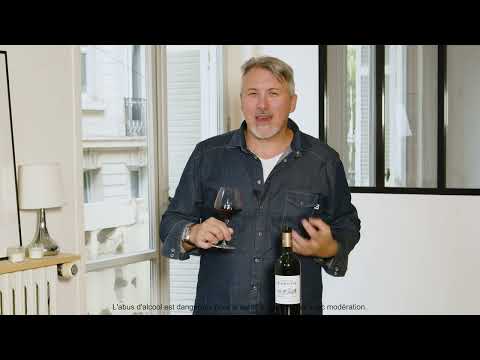
Discover our wines in video