Delivery from €16,90 per winemaker in Europe (excluding the United Kingdom)

Château Pierre Bise
Château Pierre-Bise, Savennières and Layon (Loire): organic chenin, Quarts de Chaume, direct from the estate...
Lire plus


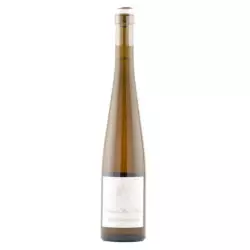
Discover Château Pierre Bise in photos


Château Pierre-Bise, three generations serving the Loire terroir
Château Pierre-Bise
A family estate of the Loire Valley in Beaulieu-sur-Layon (49750), over three generations. 45 hectares on the Layon slopes, king grape Chenin blanc. A pioneer of organic farming from 1976, certified organic and in conservation agriculture. Savennières, Coteaux du Layon and Quarts de Chaume Grand Cru.
In 1959, at the age of 50, Pierre Papin acquired Château Pierre-Bise, in the heart of the Pays de la Loire. The estate then had only 9 hectares, but was already driven by a passion for the vine and respect for terroirs. In 1974, his son Claude Papin took over the family estate and began a major expansion: he integrated the vines of Rochefort, Chaume and Quarts-de-Chaume, then in 1992 the Clos de Coulaine, giving the estate a prestigious new appellation, Savennières. Since 2004, with La Roche-aux-Moines, the vineyard has reached 45 hectares.
A pioneering commitment to organic viticulture
From 1976, Château Pierre-Bise collaborated with Samabiol, a pioneer of organic products, and drew inspiration from Francis Chaboussou's research on trophobiosis, which links plant health to nutritional balance. In the 1980s-1990s, the diversity of the terroirs and the proximity of the INRA in Angers reinforced this qualitative approach. Full grass cover was adopted from 1990, favouring the mineral expression of the wines and a better biological life of the soils. Inspired by Masanobu Fukuoka and the farming of 'non-action', the estate favours conservation agriculture: agroforestry, natural grass cover, minimal inputs, with only small doses of copper and sulfur.
An exceptional terroir at the foot of the Layon
Since 2004, the vineyard has reached 45 hectares on the Layon slopes. The estate benefits from a unique geology, marked by the Layon fault and the meeting of the Paris Basin and the Armorican Massif. This geological diversity and the mesoclimate of the South-East / North-West valleys create ideal conditions for characterful wines.
|
||
|
||
|
||
|
Chenin and the grape varieties of Château Pierre-Bise
A true interpreter of terroirs, Chenin blanc is a late-ripening variety that reveals all the minerality and complexity of the soils. Grown in the region since at least the 15th century, it offers dry, sweet or sparkling white wines of great elegance. Alongside it, Cabernet Franc and Cabernet Sauvignon give the Anjou Villages (characterful reds) and the Cabernet d'Anjou (off-dry rose), while Gamay is produced in a small cuvee, for a supple, fruity red. In the cellar, the estate accompanies without forcing: gentle pressing, indigenous yeasts, ageing in barrels, foudres or jars for one to two years.
The cuvees and appellations of Château Pierre-Bise
From the prestige dry Savennières to the sweet Quarts de Chaume Grand Cru, by way of the sweet Layon wines, the Anjou and the Crémant de Loire, a mosaic of Loire Valley appellations. To discover direct.
Savennières: Clos de Coulaine, Grand Beaupréau, Roche aux Moines
Dry whites - Savennières (Chenin, organic)
The estate's great dry whites of prestige, in Chenin: the Clos de Coulaine, the Clos le Grand Beaupréau and the Roche aux Moines. Minerality, tension and great ageing potential, the pure expression of the Savennières schists.
Quarts de Chaume Grand Cru
Sweet white - Chenin, the only Grand Cru of the Loire Valley
The estate's sweet-wine flagship, in Quarts de Chaume Grand Cru, the only Grand Cru for the sweet wines of the Loire Valley. An exceptional Chenin, concentrated and racy, made for keeping.
Coteaux du Layon: Rochefort & Les Rouannières
Sweet whites - Coteaux du Layon (Chenin)
The estate's sweet wines, on the Layon slopes: Coteaux du Layon Rochefort and Beaulieu-sur-Layon Les Rouannières. Chenin in its sweet version, between candied fruit, freshness and minerality.
Anjou whites: Les Rouannières & Le Haut de la Garde
Dry whites - Anjou (Chenin, organic)
The dry Anjou Chenins: Les Rouannières and Le Haut de la Garde. Precise, mineral whites, an accessible and sincere expression of the Loire terroir.
Anjou Villages Les Rouannières Spilite
Red - Anjou Villages (Cabernet Franc & Sauvignon, organic)
The estate's characterful red, in Anjou Villages, from Cabernet Franc and Cabernet Sauvignon on a spilite terroir. Structured, deep and aged with patience.
Crémant de Loire
Sparkling - Crémant de Loire (Chenin)
The estate's sparkling wine, a fine, festive Crémant de Loire, made from Chenin. Delicate bubble and freshness, for the aperitif as well as the celebration.
Great organic wines of the Loire Valley, direct
Why choose the Château Pierre-Bise wines?
A reference estate. Three generations on the Layon slopes, 45 hectares, a mosaic of appellations.
A pioneer of organic farming. A precursor from 1976, full grass cover from 1990, certified organic, conservation agriculture.
Chenin in all its forms. Dry Savennières whites, sweet Layon wines, Quarts de Chaume Grand Cru, Crémant.
Exceptional terroirs. The Layon fault, between the Paris Basin and the Armorican Massif, for mineral wines.
Frequently asked questions about Château Pierre-Bise
Which Château Pierre-Bise cuvee to choose, between dry Savennières, sweet Coteaux du Layon and Quarts de Chaume?
For a great dry white to keep, a Savennières (Clos de Coulaine, Grand Beaupréau or Roche aux Moines). For sweetness, a Coteaux du Layon (Rochefort or Les Rouannières). For sweet-wine exception, the Quarts de Chaume Grand Cru. For red, the Anjou Villages Les Rouannières Spilite; for bubbles, the Crémant de Loire.
Where is Château Pierre-Bise located?
In Beaulieu-sur-Layon (49750), on the Layon slopes, in Anjou, in the Loire Valley. The estate benefits from a unique geology, marked by the Layon fault and the meeting of the Paris Basin and the Armorican Massif.
What is the history of Château Pierre-Bise?
In 1959, Pierre Papin acquired the estate, then 9 hectares. In 1974, his son Claude Papin took over and expanded it: vines from Rochefort, Chaume and Quarts-de-Chaume, then the Clos de Coulaine in 1992 (Savennières appellation), and La Roche-aux-Moines in 2004. The vineyard now reaches 45 hectares, over three generations.
Is Château Pierre-Bise organic?
Yes: the estate is a pioneer of organic farming, from 1976 (collaboration with Samabiol, Francis Chaboussou's research on trophobiosis). Full grass cover was adopted from 1990. The estate is certified organic and practises conservation agriculture, inspired by Masanobu Fukuoka: agroforestry, natural grass cover, minimal inputs (small doses of copper and sulfur).
Which grape varieties make up Château Pierre-Bise?
Chenin blanc, the emblematic Loire variety and interpreter of terroirs, dominates the estate (dry, sweet and sparkling whites). To this are added Cabernet Franc and Cabernet Sauvignon for the Anjou Villages (reds) and the Cabernet d'Anjou (off-dry rose), as well as a little Gamay for a small red cuvee.
What are the appellations of Château Pierre-Bise?
Savennières (prestige dry white), Anjou (Les Rouannières, Clos de Coulaine), Anjou Villages (red), Coteaux du Layon (sweet), Crémant de Loire (sparkling), Rochefort (white) and Quarts de Chaume Grand Cru (exceptional sweet wine). A mosaic of Loire Valley appellations.
What is Chenin blanc?
The king grape of the Loire, a true interpreter of terroirs. A late-ripening variety grown in the region since at least the 15th century, it reveals the minerality and complexity of the soils and gives dry, sweet or sparkling white wines of great elegance.
What is the Quarts de Chaume Grand Cru?
The estate's sweet-wine flagship and the only Grand Cru for the sweet wines of the Loire Valley. Made from Chenin on an exceptional terroir of the Layon slopes, it is a concentrated, racy wine made for very long ageing.
What is the Château Pierre-Bise Savennières?
A prestige dry white wine, in Chenin, from the schist terroirs of Savennières. There the estate crafts the Clos de Coulaine, the Clos le Grand Beaupréau and the Roche aux Moines: mineral, taut whites with great ageing potential.
How are the wines of Château Pierre-Bise made?
In the cellar, the estate intervenes as little as possible. The whites come from gentle pressing, indigenous yeasts, with malolactic fermentation for the dry ones. The reds benefit from long, gentle macerations, then ageing in barrels, foudres or jars for one to two years, to respect the work of the vineyard.
What is the terroir of the Layon slopes?
A unique terroir marked by the Layon fault, at the meeting of the Paris Basin and the Armorican Massif. This geological diversity and the mesoclimate of the South-East / North-West valleys create ideal conditions for characterful, mineral and expressive wines.
Can you buy the Château Pierre-Bise wines directly?
Yes: the cuvees are available here, direct from the winegrower, shipped with care, across France and Europe.
Direct from the winegrower, the typicity of the Loire Valley
Château Pierre-Bise: a family estate of the Loire Valley in Beaulieu-sur-Layon (49750), on the Layon slopes, in Anjou. Acquired by Pierre Papin in 1959, taken over by Claude Papin in 1974, 45 hectares over three generations. King grape Chenin blanc (dry, sweet, sparkling), with Cabernet Franc and Cabernet Sauvignon (reds and roses) and a little Gamay. A pioneer of organic farming from 1976, full grass cover from 1990, certified organic and conservation agriculture (agroforestry, small doses of copper and sulfur).
Appellations and cuvees: Savennières (Clos de Coulaine, Clos le Grand Beaupréau, Roche aux Moines), Anjou (Les Rouannières, Le Haut de la Garde), Anjou Villages (Les Rouannières Spilite), Coteaux du Layon (Rochefort, Beaulieu Les Rouannières), Quarts de Chaume Grand Cru and Crémant de Loire