Delivery from €16,90 per winemaker in Europe (excluding the United Kingdom)

Let's eat !
What wine to drink with white meat?
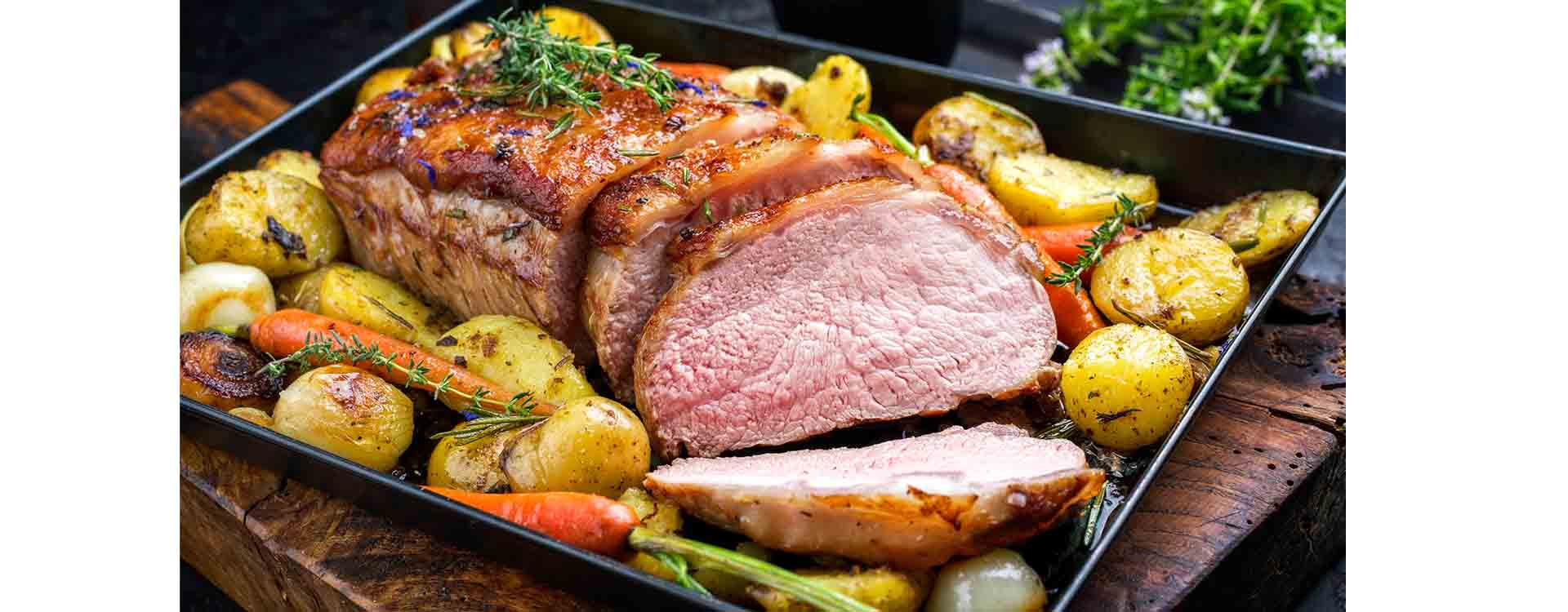
More delicate than red meat, white meats offer a wide range of textures and flavors, from chicken to veal, including turkey, rabbit, and pork. They are often at the heart of convivial meals, traditional recipes, or light and refined dishes. But to fully enjoy their flavors, you need to choose the right wine based on the dish, the cooking method, and the sides. So, what type of wine should you choose for a perfect pairing? Should you always go for white wines? Or can certain red wines also shine at the table? Here’s our guide to finding the best pairings and choosing the ideal bottle to go with your white meat dishes.
What White Wine Should You Pair with White Meat?
As a general rule, white wines are the natural partners of white meats. Their freshness, lightness, and notes of white fruit or flowers pair wonderfully with lean meats that are less fatty and more subtle in flavor than red meats. In fact, wines that are too tannic or too powerful can overwhelm delicate meats and create an unbalanced pairing.
For grilled meats like turkey or breaded chicken cutlets, a crisp and aromatic Sauvignon Blanc is ideal. AOC Pouilly-Fumé from the Loire Valley or a white Bordeaux are excellent options. For a comforting dish like veal blanquette, a Pinot Blanc or a Chenin Blanc from the Loire brings perfect harmony, especially if the sauce includes cream or mushrooms. Roast poultry with herbs calls for a more generous white, such as an AOC Mercurey or Santenay from Burgundy, with round textures and notes of yellow fruit. The advantage of white wines is their ability to balance rich or creamy dishes with freshness, while respecting the delicacy of the meat.
What Red Wines Can You Pair with White Meat?
Contrary to popular belief, red wines can also pair beautifully with some white meats, if chosen carefully. Lighter reds with soft tannins and red fruit aromas are ideal, as they won’t overpower the tender meat.
A Pinot Noir from Burgundy is an excellent choice for rabbit dishes or a roasted pork tenderloin. For a refined meal, a grand cru like a Corton from Burgundy offers an unforgettable tasting experience. For simpler dishes like grilled or smoked pork (barbecue-style), a smooth red with a light tannic structure, such as a young, fruit-forward Cabernet Sauvignon, is a great match. These elegant, fruity reds also work well with braised or roasted meat recipes.
What Wine to Choose for Each Type of White Meat?
Our White Meat Pairing Selection : Our white-meat wines, picked straight at independent estates, at estate prices. See the selection →
Chicken and Turkey
These popular white meats are incredibly versatile. For simple dishes (roasted, grilled, sautéed), choose a dry and fruity white made from Sauvignon Blanc. For creamy chicken cutlets, a white Burgundy like AOC Mercurey is a delicious match.
Wine & roasted poultry
A dry white wine with balanced acidity is an easy choice, as it refreshes the palate and highlights the delicacy of the tender flesh. With roasted poultry, the pairing depends largely on the golden skin, the juices, and the aromatics (thyme, rosemary, garlic, lemon, etc.). In a wine region like Burgundy, a white wine from AOC Saint-Aubin, AOC Santenay Blanc, or AOC Mercurey Blanc will pair beautifully with roast chicken, especially if the garnish remains simple. For herb-roasted poultry, a white wine from the Graves appellation also offers an excellent profile thanks to its texture on the palate, which respects the delicacy of white meats.
If the poultry is served with a vegetable-based garnish, a Loire Valley white wine made from Sauvignon Blanc, with more tension, is also highly suitable. If you prefer red wine, choose something supple, low in tannins, with fruity aromas. A well-balanced Pinot Noir is often ideal, especially if the poultry is served with a reduced jus. The logic behind these wine and food pairings is simple: follow the cooking method and the jus, and avoid reds that are too powerful, which belong more naturally with red meat, such as ribeye or duck breast.
Wine & poultry in sauce
A cream sauce, a mushroom sauce, or a morel sauce requires a fuller white wine, capable of coating the texture and supporting the richness without heaviness. With poultry in sauce, the pairing depends as much on the sauce as on the meat itself. A dry white wine made from Chardonnay, with good weight and structure, works particularly well because it follows the cream, keeps the poultry at the centre, and adds a touch of freshness.
If you want more power, a full-bodied white from Languedoc such as an organic Corbières can be interesting, as long as it remains dry and maintains balanced acidity; otherwise the pairing becomes heavy. For sweet-and-savoury recipes or lightly spiced sauces, an aromatic off-dry white wine, such as an Alsace Muscat, can create a lovely contrast. The goal is always harmony in food and wine pairing, ensuring a memorable gastronomic experience.
Veal
Veal has a fine and subtle flavor. For a classic veal blanquette, go with a round and aromatic white from the Loire or Alsace. Veal with mushrooms or grilled veal also works beautifully with a light, elegant red like a Pinot Noir.
Wine & grilled veal
For grilled veal, cutlets, chops, veal rump, the wine must respect the fine texture and often quick cooking. A dry white wine is usually the simplest option, especially if the side dish brings a bit of richness, such as mashed potatoes, lemon butter, or sautéed mushrooms. A Loire Valley white wine made from Chenin Blanc, such as AOC Anjou, brings freshness and ideal precision. And if the dish includes lemony notes, a Riesling from the Alsace wine region can be a superb option, offering great energy, complex aromatics, and a very clean mouthfeel.
Wine & roast veal
With roast veal, you often have cooking juices and a longer preparation time. A round, supple red wine enhances the flavour of the veal while respecting its tender texture. If you serve the roast with mushrooms, a red wine from AOC Saint-Nicolas-de-Bourgueil or an older vintage from AOC Saint-Émilion can work wonders thanks to their softened tannins and their forest-floor notes.
Wine & veal in sauce
Blanquette de veau, a flagship recipe of French gastronomy, calls for a dry white wine with body and real structure. Choose a white wine from AOC Corbières (organic) or AOC Minervois, with notes of white flowers and yellow fruits. If the recipe is very creamy or includes mushrooms, such as a morel sauce, the wine must remain dry but gain volume while maintaining balanced acidity. In that case, favour a good Burgundy appellation made from Chardonnay. Conversely, for veal in brown sauce, reduced jus, or a fondue bourguignonne, a light red wine made from Pinot Noir is appropriate, as long as the tannins are not too firm.
Our White Meat Pairing Selection : Our white-meat wines, picked straight at independent estates, at estate prices. See the selection →
Pork
Pork lends itself to many cooking styles. For roasted, grilled, or mustard-based recipes, a fruity red wine is ideal. For sweet-and-sour or Asian-style dishes, a lively and aromatic white like an Alsace Gewurztraminer balances the richness of the flavors. Pork is perhaps the most versatile white meat in terms of wine pairings.
Wine & roast pork
For roast pork, the pairing depends mostly on the jus and the garnish, potatoes, roasted vegetables, mustard sauce, cream, or herbs. Choose a dry white wine, full-bodied and not too fruity, if the recipe includes cream. For an herb-roasted pork, a supple, fruity red wine works very well if the dish is golden and lightly caramelised. For the perfect pairing, choose a Beaujolais cru such as AOC Morgon or a Loire Valley wine such as AOC Saint-Nicolas-de-Bourgueil, both of which elevate white meats like pork or veal.
Wine & grilled pork / pork shoulder
Barbecue, grill, and marinades often bring pronounced flavours. Here, a light, fruity, spicy red wine is the most natural match, as it complements the smoky notes and spices in grilled pork. A southern red wine from AOC Faugères or an organic AOC Corbières, both generous and spicy, is ideal and supports sustainable viticulture practices. A Bordeaux made from Merlot and Cabernet Sauvignon can also work, provided it retains fruity aromas and supple tannins.
Wine & pork in sauce
It all depends on the sauce. A cream, mushroom, or mustard sauce calls for a fresh white wine to cut through the richness. For a brown sauce or a slow-cooked preparation with its juices, choose a supple red wine from IGP Pays d’Oc or Vin de France. In all cases, avoid overly powerful wines, as pork does not pair well with heavy tannins or overly expressive white wines.
Rabbit
Though less common, rabbit meat is fine and slightly aromatic. It calls for a subtle wine like a Pinot Noir or a light red from the Loire Valley with controlled tannins. If the rabbit is cooked in a sauce, such as white wine or mustard sauce, stick with a full-bodied white with yellow fruit notes.
Wine and white meat pairings: mistakes to avoid
The first mistake is choosing a wine that is too powerful, too tannic, or too oaky. White meats can quickly lose their delicacy, and the pairing becomes heavy, especially with tender poultry or delicate veal fillets. The second mistake is forgetting the cooking method. Grilled, roasted, braised, or sauced white meat does not call for the same wine, and the garnish often matters as much as the meat in the final balance. The third mistake is neglecting serving temperature. A white wine served too cold will seem closed, while a red wine served too warm will seem alcoholic, disturbing the harmony of the food-and-wine pairing.
Our White Meat Pairing Selection : Our white-meat wines, picked straight at independent estates, at estate prices. See the selection →
Frequently asked questions about pairing white meat & wine
Can you drink rosé with white meat?
Yes, especially with grilled white meats, composed salads, summer dishes, or barbecued poultry. The idea is to choose a dry rosé with good freshness and enough structure to accompany the meat, avoiding rosés that are too sweet or too aromatic. With grilled pork shoulder, a rosé from Provence or Languedoc is an excellent alternative to red wine, especially in hot weather.
Which wine should you serve with creamy white-meat dishes?
When the sauce is creamy, the pairing must follow the texture. A dry yet full-bodied white is usually the best choice, as it supports the richness without being overwhelmed. Chenin Blanc and Chardonnay are the best grapes for this, bringing volume, a buttery sensation, and fine acidity to balance the creaminess. If the sauce contains mushrooms or morels, choose a more structured dry white with balanced acidity and complex notes.
Which wine should you serve with grilled chicken?
With grilled chicken, the pairing depends mostly on the marinade and the garnish. If the recipe is simple, herbs, lemon, vegetables, a lively dry white wine based on Sauvignon Blanc or Chardonnay works very well. If the chicken is well-seared, slightly smoky, or served with reduced jus, a light, fruity red can also be appropriate, especially an Alsace Pinot Noir. The key is avoiding reds that are too powerful, which would overpower the finesse of the chicken.
Which wine should you choose when you’re not sure?
The easiest approach is to start with the recipe and then pick a family of wines. For grilled white meat, dry and fresh whites are a safe bet. For creamy white-meat dishes, choose fuller-bodied whites. For roast pork or veal, a light, fruity red is a good option. In any case, avoid red wines that are too oaky, too powerful, or too tannic, which would overpower the finesse of white meat.
Choosing the right wine for white meat requires careful attention to the dish's flavors and preparation. While white wines remain essential allies thanks to their freshness and delicacy, certain light red wines can also create perfect harmony depending on the recipe. Whether it's a chicken cutlet, veal blanquette, pork tenderloin, or rabbit stew, Avenue des Vins offers a carefully curated selection to elevate all your white meat dishes.