Delivery from €16,90 per winemaker in Europe (excluding the United Kingdom)


AOC Saint-nicolas-de-bourgueil
In north-western France, the Loire vineyards stretch from the Massif Central to Nantes, covering some 57,000 hectares of vines. They are famous for their Chinon, Bourgueil and Pouilly-Fumé appellations, among others. The AOC Saint-Nicolas-de-Bourgueil is located in the commune of Saint-Nicolas-de-Bourgueil, covering some 1,000 hectares of mainly gravel and sand soils. Cabernet Franc and Cabernet Sauvignon vines are planted in this appellation, which enjoys the temperate climate and oceanic influences of this geographical zone. They produce rosé wines to be drunk young, and red wines to be kept for 5 to 10 years. These wines are lively, marked by tannins and reveal notes of bell pepper, licorice, red fruit and spices.
Filtrer
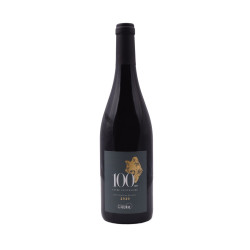


Saint-Nicolas-de-Bourgueil: A Vineyard on River Terraces
Saint-Nicolas-de-Bourgueil is a commune in the Indre-et-Loire department, at the northwestern tip of the Touraine wine region. It sits on the north bank of the Loire, a few miles upstream from where the river meets the Vienne. Its vines face south, looking out over the valley.
Between River and Hillside, Soils That Warm Up Fast
Most of the vineyard lies on an old Loire terrace, a flat bench of alluvial deposits left by the river, and on the foot of the hillside behind it. A vineyard planted on alluvial soils like this is unusual for the region.
On the terrace, the soils mix sand and gravel, some of them quite stony. They drain freely and hold little water. At the foot of the slope, a few clay-limestone soils formed on Turonian tuffeau chalk, alongside clay-silica soils that come from the sandy clays of the Senonian.
These sandy, gravelly soils warm up quickly in spring. Wide open to the valley, the vineyard lets in air from the Atlantic, and the vines get off to an early start.
History of the AOC Saint-Nicolas-de-Bourgueil
The Saint-Nicolas-de-Bourgueil appellation, deeply rooted in the Loire Valley vineyard, has been recognized for its red wines since the Middle Ages. Officially established in 1937, it boasts a rich viticultural heritage, passed down through generations by passionate winemakers in this region.
Climate and Terroir of the AOC Saint-Nicolas-de-Bourgueil
- Climate: The oceanic climate with maritime influences provides ideal ripening conditions for the wines of the AOC Saint-Nicolas-de-Bourgueil.
- Soils: The soils vary from gravel near the Loire River to siliceous clay and limestone on the slopes, giving each wine a unique signature.
Cabernet Franc: The Iconic Red Grape of AOC Saint-Nicolas-de-Bourgueil
Cabernet Franc, locally known as "Breton," is the dominant grape of the appellation, sometimes complemented by Cabernet Sauvignon in blends for its red or rosé wines.
Style of AOC Saint-Nicolas-de-Bourgueil Wines
Red wine: Deep ruby red color, which can vary in intensity depending on the wine's age and concentration. The nose reveals dominant aromas of red and black berries, accented by typical vegetal notes from Cabernet Franc and a touch of spice from controlled aging. On the palate, the wine is fresh, with supple tannins and a rounded texture. The finish often showcases slight liveliness, providing balance and length.
Rosé wine: The rosé wine of AOC Saint-Nicolas-de-Bourgueil charms with its clear, pale pink color. It offers aromas of fresh red fruits, English sweets, and sometimes floral notes. Its palate is light and refreshing, with a pleasant acidity that makes it enjoyable and thirst-quenching.
Best Food Pairings with AOC Saint-Nicolas-de-Bourgueil Wine
Here are some recipe ideas to pair with a bottle of red or rosé wine from a Saint-Nicolas-de-Bourgueil estate or château:
- Red wine: Charcuterie (rillettes de Tours), sautéed veal liver, Angevine-style poularde
- Rosé wine: Stuffed piquillo peppers with fresh cheese, piperade, summer salad
Saint-Nicolas-de-Bourgueil, from Its Name to Its Winemaking
What Did the Name "Saint-Nicolas" Once Mean for a Wine?
The name "Saint-Nicolas" once referred to the light wine made from the many Saint-Nicolas-de-Bourgueil plots whose soils sit on sandy alluvial deposits. These soils still cover most of the appellation.
Where Can Saint-Nicolas-de-Bourgueil Be Made?
Saint-Nicolas-de-Bourgueil can be made and aged in the commune itself or in a few neighboring villages. The grapes, however, all come from vineyards in the commune of Saint-Nicolas-de-Bourgueil.
Where Can You Buy Saint-Nicolas-de-Bourgueil Direct from the Winemaker?
You can buy Saint-Nicolas-de-Bourgueil direct from the winemaker on Avenue des Vins. The wine comes to you directly from the producer who made it.
See also: AOC Chinon - Loire red wines - Rosé wines from the Loire Valley