Delivery from €16,90 per winemaker in Europe (excluding the United Kingdom)

Let's eat !
What wine goes with a potée? Pairings by colour and variety
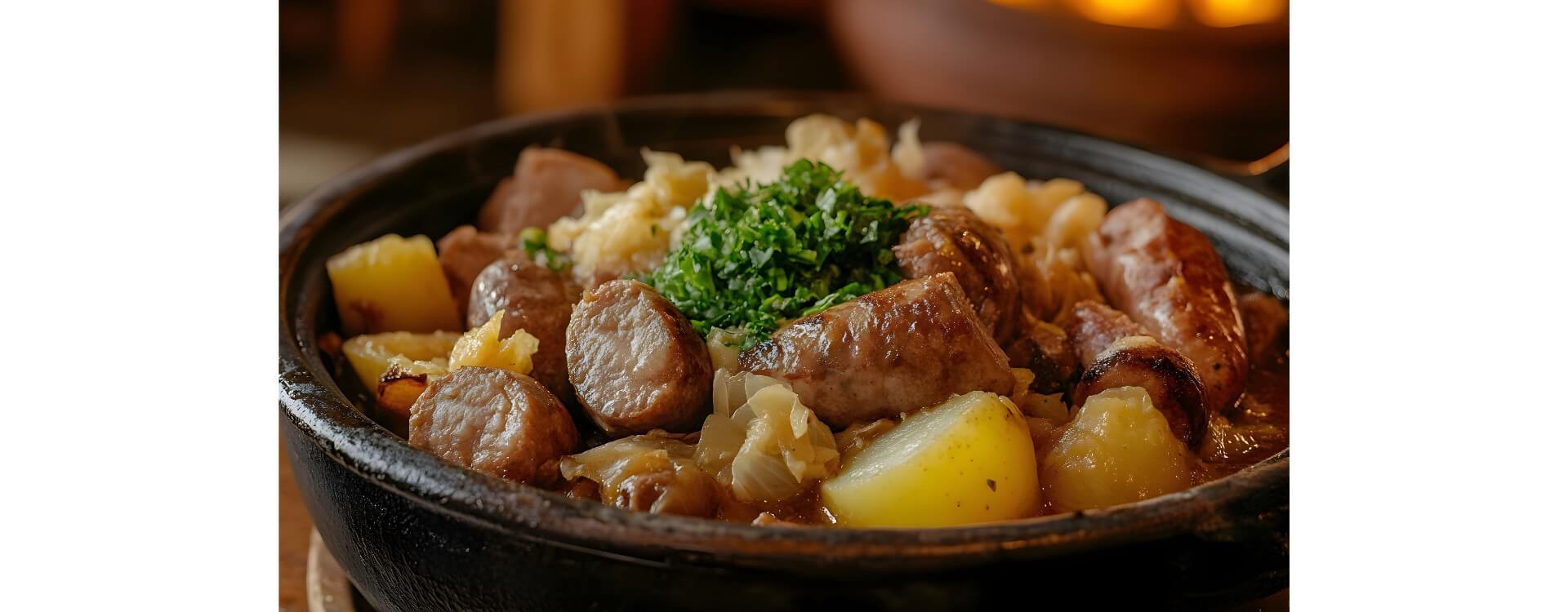
With a slow-cooked potée, a light, low-tannin red such as a Beaujolais-Villages, a Côtes d'Auvergne or an Alsace Pinot Noir carries the cabbage and cured pork without flattening them. Dry Alsace whites work just as well. Here is how to choose by variety.
The potée is a winter stew: green cabbage, potatoes, bacon, pork shoulder and sausages, all simmered together in one broth. Rich, salty and sometimes smoked, it calls for a wine that refreshes and revives the appetite, not a heavy red that weighs it down.
Every region has its own version: the classic cabbage potée, the Lorraine potée lifted with smoked sausage, the Auvergne potée built around cabbage and sausage. Unlike the pot-au-feu, cooked around beef, or the choucroute, served on fermented cabbage, the potée pairs pork with fresh vegetables.
Which red wine goes with a potée?
A light, fruity, low-tannin red is the safest choice with a potée. The fat of the bacon and the salt of the cured meats call for freshness and fruit, not power. Firm tannins turn hard against the cabbage and the broth.
Gamay ticks every box. Reach for a Beaujolais-Villages or a supple cru such as Brouilly, Chiroubles or Régnié. In the same spirit, a Côte Roannaise or a Côtes du Forez, both gamay, bring the crisp fruit that answers the cured meats.
Pinot noir is the other safe bet. An Alsace Pinot Noir or a light Bourgogne wraps around the pork without masking it. On the tables of eastern France, this regional match feels natural, with the Lorraine potée as with the cabbage potée.
For more character, look to the Massif Central. A Marcillac, made from fer servadou (the local mansois), has the rustic grip and pepper that sausage loves. A Côtes d'Auvergne or a red Saint-Pourçain extends the local match on the Auvergne potée.
Our red wine tips for potée
Serve these reds cool, around 13 to 14 °C, never at room temperature: coolness lightens the dish. Choose a young, fruit-driven vintage. Avoid very tannic or heavily oaked reds, which fight the cabbage instead of matching it.
Which white wine goes with a potée?
Yes, a dry, lively white works wonderfully, especially on the potées of eastern France. Its acidity cuts through the fat and rinses the palate between bites. It is the most classic match on the Lorraine potée and the Alsace versions.
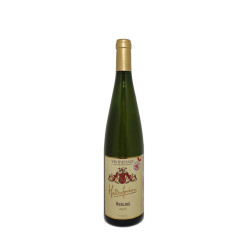
Alsace rules this register. A dry Riesling brings the tension and edge you want against bacon and cabbage. A Sylvaner or a Pinot Blanc, rounder, play the easy, convivial card and drink effortlessly at the table.
When the potée leans on smoked sausage, step up to an Alsace Pinot Gris. Its body and touch of richness stand up to the smoke without being overpowered.
Elsewhere, a Vin de Savoie Apremont, from jacquère, offers a welcome alpine freshness. On the Auvergne potée, a white Saint-Pourçain, with its local tressallier, keeps the match within the dish's own region.
Our white wine tips for potée
Serve these whites well chilled, between 8 and 10 °C. Look for vivacity before richness: a dry, clean white works better than a fat one. A dry Riesling stays the most reliable marker across every variety.
What about a rosé or a vin gris with a potée?
A rosé may seem out of place on a hot winter dish, but a traditional vin gris changes the picture. Light, dry and thirst-quenching, it bridges the fruit of a red and the freshness of a white.
Lorraine made it a signature: the Côtes de Toul gris, the region's historic vin gris, is the local match par excellence for the Lorraine potée. Pale and lively, it follows the cured meats with disarming ease.
In Auvergne, a Corent, the well-known gris of the Côtes d'Auvergne appellation, plays the same role on the Auvergne potée. Two neighbourhood matches, born where the dish is cooked.
Our rosé tips for potée
Choose a dry, light gris or rosé, not a powerful maceration rosé. Serve it cool, between 8 and 10 °C. It is the convivial option, perfect for a big table gathered around one pot.
What are the best food and wine pairings with a potée?
The best match depends on the variety and on whether smoke is involved. Here are the safe bets, dish by dish.
Cabbage potée (classic): a light gamay red, such as Beaujolais-Villages or Brouilly, served cool. A dry Alsace Riesling is the perfect counterpoint if you prefer white.
Lorraine potée: play the regional card with a Côtes de Toul, as a light red or a gris. A neighbouring Alsace Pinot Noir or Sylvaner works just as well.
Auvergne potée: stay in the Massif Central with a Côtes d'Auvergne, a Saint-Pourçain or a more rustic Marcillac. A Corent gris lightens the whole.
If the potée is smoked: an Alsace Pinot Gris or a slightly firmer red stands up to the smoke better than a wine that is too light.
Our wine selection for potée: light gamay and pinot noir reds, direct from the growers at cellar-door prices. See the selection →
Bonus: our Auvergne potée recipe
Ingredients (serves 4)
1 curly green cabbage, 4 potatoes, 4 carrots, 2 turnips, 1 lightly salted pork shoulder, 4 country sausages, 200 g smoked bacon, 1 onion studded with 2 cloves, 1 bouquet garni, pepper.
Method
The day before, soak the pork shoulder in cold water to draw out the salt. On the day, blanch the cabbage for 5 minutes in boiling water, then drain it to take away its bitterness.
In a large pot, cover the pork shoulder and bacon with cold water. Add the studded onion and the bouquet garni. Bring to a gentle simmer and cook, covered, for 1 hour.
Add the carrots, turnips and cabbage. Continue for 30 minutes. Add the potatoes and sausages, then cook for another 30 minutes, until everything is meltingly tender.
Season with pepper, add salt if needed, and serve piping hot, the meat and vegetables together in the broth.
A potée does not ask for a great wine, it asks for the right one: light, cool and honest, able to cross the fat and the salt without tiring. A gamay red, a dry Alsace white or a Lorraine vin gris, each variety finds its partner in its own region.
One idea ties it all together: serve cool and stay on the fruit. A sharing dish calls for a sharing wine, opened without ceremony around the pot.
Dry whites and vins gris for your winter dishes: rieslings, sylvaners and vins gris to discover direct from the estate. See the selection →
Frequently asked questions about wine and potée
Which red wine should I serve with a potée?
A light, low-tannin red, served cool. Beaujolais gamay (Beaujolais-Villages, Brouilly) or an Alsace Pinot Noir carries the cabbage and cured meats without flattening them.
Can you drink white wine with a potée?
Yes, and it is even a classic match. A dry, lively white such as an Alsace Riesling or Sylvaner cuts through the fat and refreshes the palate, especially on the potées of eastern France.
What wine goes with a Lorraine potée?
Play the regional card: a Côtes de Toul, as a gris or a light red, is the local match. An Alsace Riesling or Pinot Blanc works just as well.
What wine goes with an Auvergne potée?
Stay in the Massif Central. A Côtes d'Auvergne, a Saint-Pourçain or a more rustic Marcillac suits the sausage and cabbage. A Corent gris lightens the whole.
What temperature should the wine be with a potée?
Serve reds cool, around 13 to 14 °C, and whites and vins gris between 8 and 10 °C. Coolness is the key to balancing a rich, salty dish.