Delivery from €16,90 per winemaker in Europe (excluding the United Kingdom)

Unbeatable !
Everything you need to know about Picpoul de Pinet AOC
All About AOP Picpoul de Pinet
Introduction to Picpoul de Pinet
Picpoul de Pinet is a renowned white wine from the Languedoc region of France. The name "Picpoul" comes from its distinctive grape variety, Picpoul Blanc. "De Pinet" refers to its location between Béziers and Montpellier, north of Agde, near the Thau Lagoon, around the town of Pinet. This AOP now accounts for more than half of the white wines produced in Languedoc-Roussillon. This is not a recent development; the vineyard's origins date back to the opening of a route between Italy and Spain by the Romans two thousand years ago. Pinet wine was mentioned in writings as early as the 16th century. However, this AOP was only officially recognized in 2013, quite late considering its long history. The grape variety and terroir of this appellation offer an aromatic profile as unique as its history.
The Origin of this AOP
In 118 BC, a Roman army commander responsible for a campaign to conquer Gaul opened the Via Domitia, a Roman road connecting Narbonne to Rome. This road still traverses the AOP today. It was through this road, facilitating exchanges between Italy, France, and Spain, that viticulture and the Pinet vineyard were introduced. The quality of this terroir and the Picpoul grape soon bore fruit, and by the 16th century, Picpoul de Pinet was cited as one of the most noble and renowned grape varieties in Languedoc. In the 18th century, the people of the Pinet community were authorized to mark each barrel of the vintage with "Vin de Pinet." This initial sign of recognition for the quality of Pinet wines was not the last. In modern history, surprisingly, it was only in 2013 that Picpoul de Pinet was separated from the Languedoc AOC and received its own distinctive AOP and AOC status.
Geographic Characteristics of this Appellation
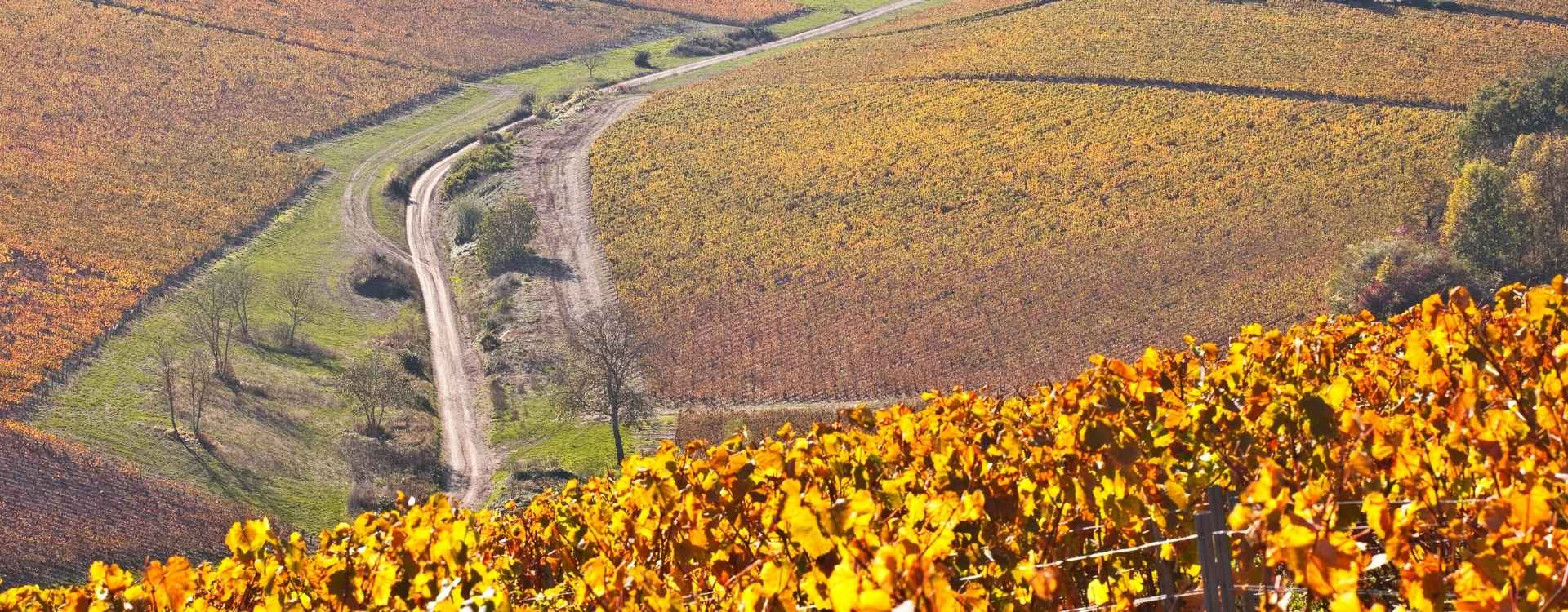
The terroir of this AOP is characterized by its proximity to the sea. This perfectly encapsulates its geographical position. The AOP is located along the Thau Lagoon, which qualifies as a lagoon and lies very close to the Mediterranean Sea. To the north of the appellation, there are hilly terrains, rocky outcrops, and valleys that limit the marine influence over much of the terroir. This region benefits from a typical Mediterranean climate with mild winters, usually dry summers, and moderate temperatures in spring and autumn. The soils are mostly deep and conducive to root development. Composed of red marl, sand, gravel, and molasses with limestone fragments, they offer ideal natural drainage, providing adequate nourishment for the vines during the dry summers.
The Picpoul Grape Variety
The conditions of this AOP are ideal for the flourishing of Picpoul Blanc. This late-ripening grape variety benefits from the dry summers extending into a moderately humid autumn to fully mature. It should be noted that the Picpoul authorized in this AOP is exclusively Picpoul Blanc. The Picpoul Noir and Picpoul Gris grape varieties also exist in Languedoc but are much more anecdotal and do not fall under this AOP.
Picpoul Blanc produces wines with a clear, pale green color. These are fresh, discreet, and pleasant white wines with very floral aromas. Their acidity and structure are particularly appreciated for their "nervosity," which pairs perfectly with the iodine and salt of seafood and enhances the richness of charcuterie and cheeses.
Our Picpoul de Pinet Selection : Our Picpoul de Pinet wines, chosen direct from Languedoc winemakers at estate prices. See the selection →
FAQ - Picpoul de Pinet
Which grape variety makes Picpoul de Pinet?
The Picpoul de Pinet AOP is made exclusively from Picpoul Blanc. Picpoul Noir and Picpoul Gris also exist in Languedoc but remain anecdotal and fall outside this appellation. It is a late-ripening variety that uses the mild autumns to reach full maturity.
What food pairings work best with a Picpoul de Pinet?
Its freshness and lively acidity match the iodine and salt of seafood, especially oysters and shellfish. This white wine also cuts through the richness of charcuterie and cheeses. Its floral aromas and pale colour make it an ideal summer companion.
Since when has Picpoul de Pinet had its own AOP?
Although Pinet wine was mentioned as early as the 16th century and the vineyard dates back to Roman times, the appellation was only officially recognised in 2013. Picpoul de Pinet was then separated from the Languedoc AOC to receive its own distinctive AOP and AOC status.
Where is the Picpoul de Pinet vineyard located?
The vineyard lies around the town of Pinet, between Béziers and Montpellier, north of Agde, along the Thau lagoon near the Mediterranean. This coastal terroir, summed up by the motto "its terroir is the sea", gives the wine its iodine-tinged, fresh character.
Why buy your Picpoul de Pinet direct from the winemaker?
Buying direct from the grower means the estate price, with no middleman between the vine and your glass. You gain in traceability and freshness, as the bottle ships straight from the estate. It is also a way to support the independent winemakers of Languedoc.


