Delivery from €16,90 per winemaker in Europe (excluding the United Kingdom)

Unbeatable !
Are natural wines wines for laying down?
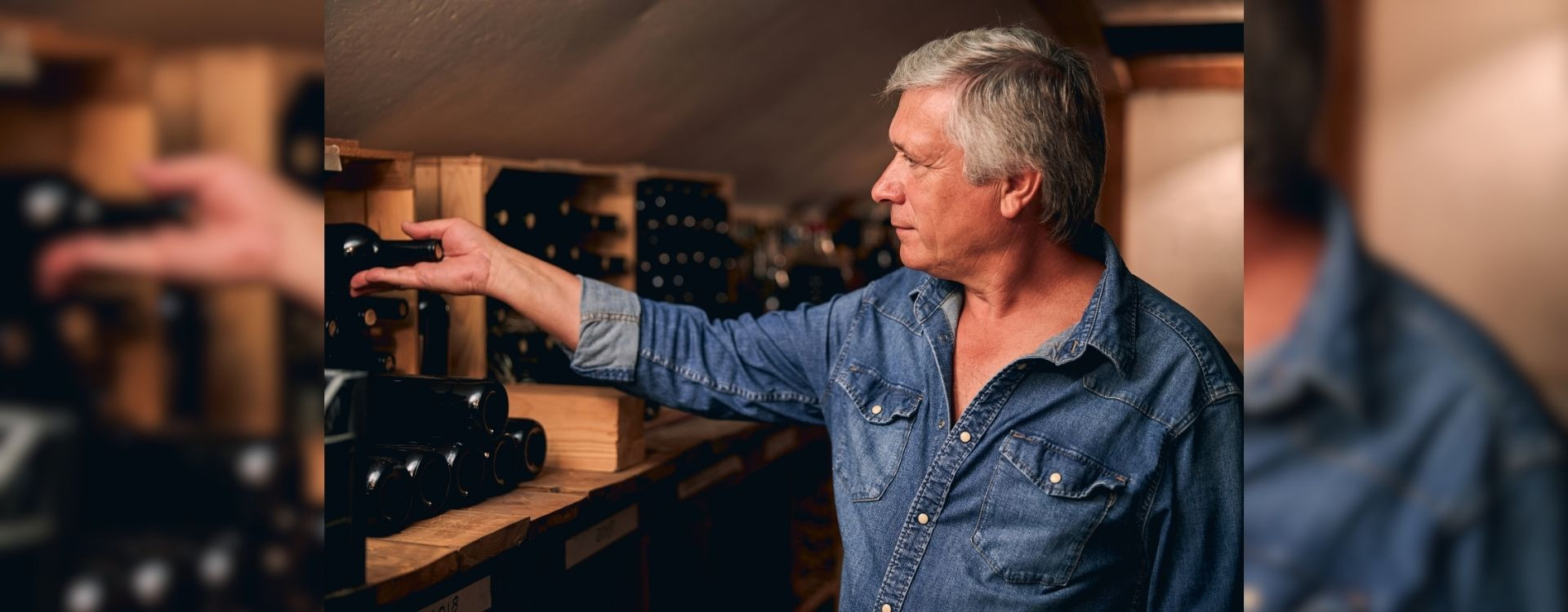
Understanding Natural Wines and Their Aging Potential
What Are Natural Wines?
Natural wines, also known as “nature” wines, are made without added products and therefore contain no artificial yeasts, preservatives, acidity stabilizers, or other additives.
These additives have been identified and used over many centuries of wine history to enhance human control over wine production, ensuring quality and quantity. The trend toward natural wines, driven by growing concerns about the impact of these additives on health and the environment, aims to produce the "purest" product possible.
Wines produced using this method require more attention from both the winemaker and the consumer. More "pure," they can be more fragile and spirited, necessitating careful storage conditions.
What Factors Determine a Wine’s Aging Potential?
The good news is that while some additives help ensure better stability, they do not determine a wine’s aging potential.
A wine, whether natural, organic, vegan, biodynamic, or conventional, will be suitable for aging if it has two key criteria:
-
High Acidity: This ensures the preservation of the wine's aromatic framework over the years.
-
For Red Wines: A robust tannic structure. This guarantees the wine’s material will endure over the years. Tannins will also “mellow” over time, contributing to the velvety texture of well-aged wines.
-
For White Wines: The same material is necessary, either through a high residual sugar level (e.g., Sauternes) or a grape variety rich in substance (e.g., Riesling, Chenin Blanc, Sauvignon Blanc).
Tannins, acidity, sugar levels, and grape variety all play a role in a wine’s preservation. Thus, a wine’s evolution is unique to each bottle, and some wines age better than others. Nevertheless, a natural wine can possess these characteristics regardless of its production method.
Can Natural Wine Age for Several Years?
As noted, the distinctiveness of natural wines lies in their increased "instability." To age or improve a natural wine, one must be vigilant about the necessary storage conditions.
Necessary Storage Conditions for Natural Wine
The essential criteria for storing a wine are:
-
Temperature: It should be stable and at an appropriate level (average 12 degrees Celsius, though this may vary slightly depending on the wine type).
-
Light: Bottles should be protected from light to prevent chemical changes.
-
Humidity: It should be sufficient and stable to ensure the longevity of the cork.
-
Odors: They can subtly enter through the cork and interact with the wine.
-
Vibrations: They can stir up sediments in the wine and alter its taste properties.
Additives, by stabilizing the wine, make a conventional bottle more tolerant of slight or temporary deviations from these conditions. A natural wine, being less robust, requires much stricter adherence to these storage conditions.
How Long Can You Keep a Natural Wine After Opening?
Once opened, a wine interacts with oxygen and is also exposed to temperature changes if served at a different temperature from its storage conditions.
This interaction activates and accelerates many chemical effects in the wine, particularly oxidation, which can rapidly deteriorate the wine’s taste after opening.
A natural wine, once opened, rarely lasts more than three days.
Tips for Prolonging the Preservation of Natural Wines
To extend their preservation, you can limit the chemical reactions that spoil their taste:
-
Oxygen Interaction: Use a specific system that replaces the wine in the bottle with CO₂, or at minimum, use a stopper to reseal the bottle between servings to minimize interactions.
-
Temperature: Keep the bottle at a cooler temperature than necessary (e.g., in the refrigerator) since cold slows down chemical reactions.
Our Natural & Sulphite-free Wines : Our natural, sulfite-free wines, picked straight from independent winemakers at estate prices. See the selection →
FAQ - Natural wines and ageing
Can a natural wine age for several years?
Yes. A natural wine can age for several years if it meets the same criteria as any other wine: high acidity and, for reds, a solid tannic structure. Its production method does not prevent it from ageing, but it does call for stricter storage conditions.
Why are natural wines more fragile when aged?
Without additives to stabilise it, a natural wine copes less well with shifts in temperature, light or humidity. A conventional bottle tolerates slight or temporary variations, whereas a vin nature demands much more careful adherence to these conditions.
Are sulfites essential for a wine to age?
No. Sulfites and other additives improve a wine's stability, but they do not determine its ageing potential. Acidity, tannins, residual sugar and grape variety are what decide whether a wine can be laid down.
How long does a natural wine keep after opening?
Once opened, a natural wine rarely keeps for more than three days, as it oxidises quickly in contact with air. To make it last, reseal the bottle with a suitable stopper or a CO2 system and keep it cool, since cold slows the reactions that spoil its taste.
At what temperature should you store a natural wine?
Aim for a steady temperature of around 12 degrees Celsius, avoiding swings. Also shield the bottle from light, strong odours and vibrations, which affect a natural wine faster than a conventional one.


