Delivery from €16,90 per winemaker in Europe (excluding the United Kingdom)

Let's eat !
What wines to serve at Christmas? The best Christmas wine and food pairings
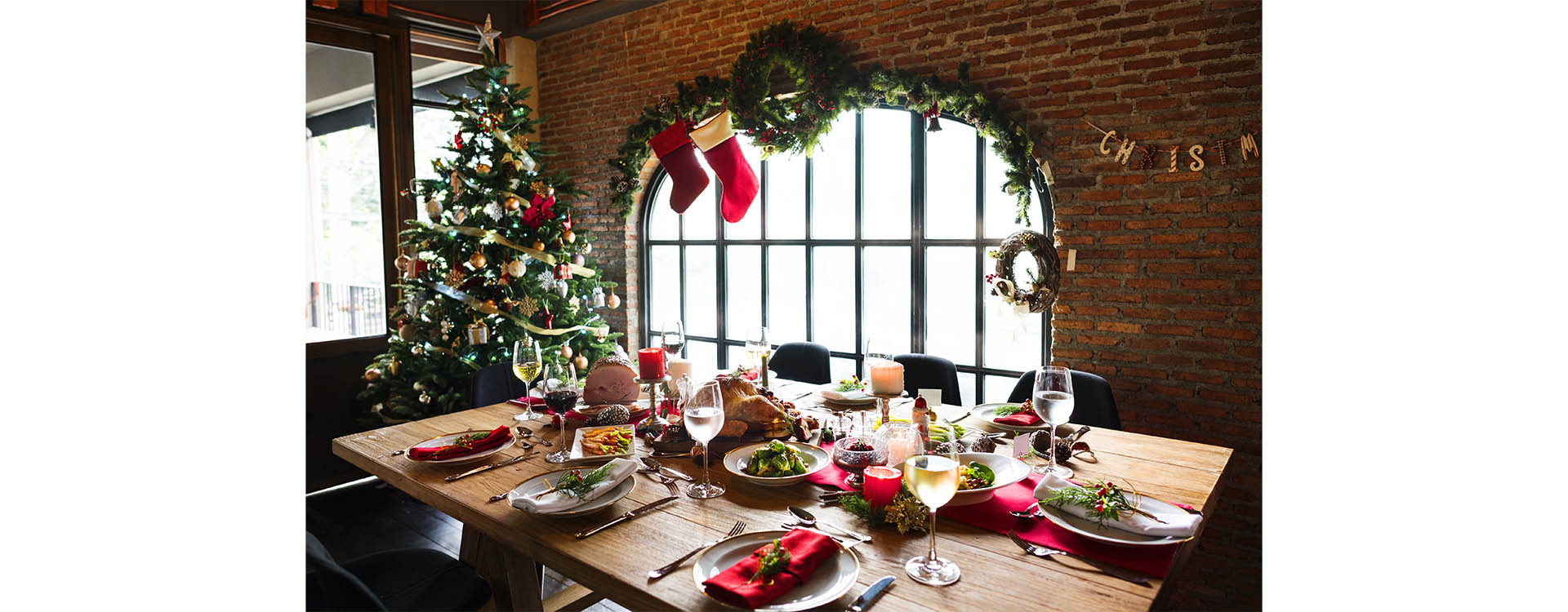
In France, this meal is ceremoniously divided into the aperitif, starter, main course and dessert.
WHICH WINES TO SERVE AT CHRISTMAS? THE BEST CHRISTMAS FOOD AND WINE PAIRINGS
Christmas is fast approaching and with it, the traditional Christmas meal. In France, this meal is ceremoniously divided into the aperitif, starter, main course and dessert. A copious meal if ever there was one, the Christmas meal sees a succession of quality dishes: foie gras, oysters, snails, smoked salmon, turkeys with chestnuts or even the famous Yule logs for dessert. And who says quality food on a festive occasion says appropriate food and wine pairings. Then comes the question that arises every year: which wines to choose to accompany this Christmas meal? What to plan for the aperitif? Which white wine for Christmas? Which red wine for Christmas? And above all: what wine to end on a high note, and deliciously accompany the Yule log?
Our Christmas Selection : the right pairing, direct from the winemaker. See the wines →
Which dry white wine should you serve for Christmas ?
For a successful food and wine pairing, a dry white wine is a safe and elegant choice for seafood dishes, roasted poultry, or aged cheeses served during the Christmas holidays. Its freshness, mineral tension, and aromas of citrus or white flowers create subtle pairings with many festive dishes. A Loire Valley Chenin Blanc or Sauvignon Blanc (such as a Pouilly-Fumé or an IGP Val de Loire) is ideal for refined appetizers like gourmet canapés, cocktail platters, or smoked salmon. These wines display lovely liveliness and elegant aromas that enhance dishes while maintaining a refreshing balance on the palate.
If you are serving poultry with a creamy sauce or scallops, a Bourgogne Blanc from the Côte de Nuits or a Bordeaux Blanc from Graves brings both body and roundness while remaining fresh. These full-bodied white wines often offer a saline finish and a generous texture, perfect for accompanying rich dishes without weighing them down. Finally, don’t forget Premier Cru and Grand Cru white wines from Burgundy, which can elevate your festive meals with added complexity. They deserve their place on any fine holiday table, especially when aiming for an exceptional food and wine pairing.
Which red wines should you choose for Christmas?
The holiday season is the perfect time to open a prestigious bottle of red wine. With stuffed poultry, roasted meats, or slow-cooked dishes, red wine brings depth, structure, and generosity to the meal. Pinot Noir from Burgundy or Alsace, both supple and fruity, is ideal with stuffed turkey, roast capon, or guinea fowl with mushrooms. Its fine tannins respect the delicate texture of poultry, while its red fruit and mild spice notes harmonize beautifully with chestnut or dried fruit stuffings.
For more robust dishes such as game, red meat, or wine-based sauces, opt for red wines made from Merlot or Cabernet Sauvignon, offering solid tannic structure. A tannic and intense Bordeaux, particularly from the Médoc or Saint-Émilion, strikes a fine balance between power and elegance. Another option is a red wine from southern France, such as Saint-Chinian or an AOC Côtes de Provence from Domaine de Berne, which pairs wonderfully with rustic recipes like wild boar stew.
Mulled wine and sweet wines: Christmas pleasures not to be forgotten
Mulled wine and vin cuit are considered the true wines of Christmas and are a staple at French Christmas markets. Made with red wine, cinnamon, cloves, orange zest, and a touch of honey or sugar, mulled wine captivates with its comforting aromas. It can be served at the start of Christmas Eve dinner, alongside foie gras toasts or savory biscuits. Whether served as an aperitif or after dinner, these spiced, warmed red wines are festive and perfect for welcoming guests in a convivial atmosphere.
At the same time, don’t forget sweet wines for dessert or to accompany foie gras. A fine sweet white wine from the South-West or Bordeaux, rich in residual sugar but balanced by bright acidity, will enhance fruity Yule logs, pear tarts, or spiced biscuits. Whether offered as a gift or served at your table, wine holds a central place in the joy and tradition of the Christmas season.
Our Christmas Selection : wines from independent winemakers, at the estate price. See the selection →
What to drink as an aperitif for Christmas?
As an aperitif, a sparkling wine is a must to highlight the festivities: Champagne, Vouvray or Crémant will be your best allies. If Champagne is a classic must, do not hesitate to explore other French sparkling wines. In Alsace, Burgundy and the Loire Valley in particular, they use grape varieties different from the Champagne grape varieties and offer aromatic profiles that allow you to play the originality card.
If your aperitif is accompanied by foie gras, oysters, snails, or smoked salmon, opt for a Champagne Blanc de Blanc, an Aslacce extra brut or a Vouvray fines bulles. If you are not a fan of bubbles, the same aperitif can be elegantly accompanied by a mineral white wine. Think Chablis, Riesling d’Alsace, Anjou or Saumur blanc, or even a Muscadet.
What wine to accompany the Christmas turkey?
During a big celebration, it can sometimes be tempting to bring out great red wines. Be careful though, because the traditional Christmas dish is turkey with chestnuts, or stuffed capon. These two dishes are based on poultry with dry flesh and fatty skin. We therefore recommend that you opt for either:
For a round and mellow red wine: a Burgundy wine (Nuits-Saint-Georges, Chambolle Musigny, Beaune), a Côte du Rhône nord (Gigondas, Côtes du Rhône Village), a red wine from the Loire (Anjou Village, Chinon, Saumur-Champigny) or a red wine from the Beaujolais crus (Morgon, Moulin à Vent, Chiroubles);
For a robust white wine: a Hermitage, a white Châteauneuf du Pape or even a Meursault will go perfectly.
Prefer Bordeaux, southern Côtes du Rhône and full-bodied Languedoc wines for beautiful red meats, or game and stewed dishes. For duck lovers, we recommend pairing this typical South-West dish with South-West wines: Gaillac red, Cahors, Bergerac red, or Pic-Saint-Loup.
Be careful, if you serve cheese between the main course and dessert, do not automatically use the wine from the main course on the cheese. Most red wine and cheese combinations are not suitable.
What wine should be served with the Yule log?
Here is the long-awaited final piece, the famous Christmas dessert: the Yule log. For this combination, the starting point is the high sugar content of this dessert. A sweet dish also corresponds to a sweet wine. Then, the key will be to know how to create the resonance between the taste of the wine and the taste of the log:
- Red fruit logs pair very elegantly with the exotic fruits and floral aromas of a Gewurztraminer from Alsace;
- Chocolate logs will go with a naturally sweet red wine, such as a Maury, a Banyuls or a Rivesaltes wine;
- Hazelnut logs bring out the autolytic flavors of sparkling wines and give perfect pairings with Champagnes and Crémants ranging from brut to sweet. Or with the aging aromas of sweet wines from the Loire (Bonnezeaux, Quarts de Chaume, etc.);
- And finally, for a log with exotic fruits or citrus fruits, we recommend the classic Sauternes or the famous Montbazillacs.
Enjoy your meal, and above all: happy holidays!
Our Christmas Selection : cuvées chosen from the winemakers, with no middleman. See the selection →
FAQ - Christmas wines
How many bottles should I plan for a Christmas dinner?
Allow roughly one bottle for three guests across the whole meal, a little more if you serve a different wine per course. Plan generously for the aperitif sparkling wine and the main-course wine, which are poured the most.
Which wine goes with foie gras at Christmas?
Foie gras pairs with a sweet white from the South-West or Bordeaux, whose residual sugar answers the richness. For a drier style, a brut sparkling wine or a Vouvray fines bulles brings the freshness that lightens each bite.
Should I serve the same wine throughout the Christmas meal?
No, each course calls for its own pairing: a sparkling wine for the aperitif, a dry white or a supple red with the poultry, a sweet wine for dessert. Switching wines avoids palate fatigue and respects the balance of every dish.
At what temperature should Christmas wines be served?
Serve sparkling and dry white wines between 8 and 10 degrees, a supple red such as Pinot Noir around 15 degrees, and a firmer red near 16 to 17 degrees. A sweet wine is best served cool, around 8 to 10 degrees.
Can I use the main-course wine on the cheese board at Christmas?
Rarely with success. Most tannic reds clash with the cheeses on the board. A dry white or a naturally sweet red often works better with blue-veined and aged cheeses.