Delivery from €16,90 per winemaker in Europe (excluding the United Kingdom)


AOC Châteauneuf-du-Pape
AOC Châteauneuf-du-Pape: The Excellence of Rhône Valley Wines. Explore AOC Châteauneuf-du-Pape, an iconic appellation renowned for its powerful red wines and elegant whites. Discover the grape varieties and characteristics that make these wines a true symbol of the Rhône Valley. The Châteauneuf-du-Pape vineyard lies on the left bank of the Rhône, about 15 km (9 miles) north of Avignon, on terraces of large rounded stones carried down from the Alps and, to the northeast, on sandy and sandstone soils. Its growers set up a union to defend the appellation as early as 1923, and it was officially recognized by decree on May 15, 1936.
Filtrer


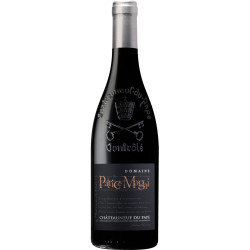


Châteauneuf-du-Pape, One of France's First AOCs
Châteauneuf-du-Pape had rules of its own before France’s AOC system existed. In 1929, its growers obtained a court ruling in Avignon that set the boundaries of the area, the permitted grapes, a minimum alcohol level and the sorting of the grapes. Those requirements were carried into the national AOC regulations of the 1930s.
History of the Châteauneuf-du-Pape Vineyard
The Châteauneuf-du-Pape vineyard emerged in the 14th century, following the installation of the popes in Avignon during the reign of John XXII. Once considered the "pope's wine," Châteauneuf-du-Pape wine gained popularity in France and among the great European courts. Revitalized in the 18th century by the local aristocracy and merchant bourgeoisie, the vineyard exported part of its production via the ports of Marseille and Hamburg. Pioneers of winegrower unions, the winegrowers of Châteauneuf-du-Pape are behind the AOC (Appellation d'Origine Contrôlée) system, with Baron Pierre Le Roy de Boiseaumarié, then a winemaker at Château Fortia, becoming its first president. Today, the AOC Châteauneuf-du-Pape remains highly appreciated for its wines, which combine power and finesse, with some bottles fetching high prices such as the Château Rayas cuvée.
Climate and Terroir of the AOC Châteauneuf-du-Pape Appellation
- Climate: The climate of Châteauneuf-du-Pape is Mediterranean, characterized by significant sunshine and high temperatures in summer. Rainfall is infrequent, and the vineyard is highly exposed to the Mistral wind. With a hot, dry, arid, and windy climate, Châteauneuf-du-Pape is also one of the driest areas in the Rhône Valley.
- Soils: The terroir of Châteauneuf-du-Pape is renowned for its famous rounded pebbles, which have the particularity of storing heat during the day to release it to the vines in the evening. The subsoils are mostly composed of red clay. There are also other types of soils depending on the location, such as limestone, sandstone, or sand (as for the legendary Château Rayas).
Main Grape Varieties of the AOC Châteauneuf-du-Pape Appellation
The AOC Châteauneuf-du-Pape appellation produces very limited quantities of white wines (less than 7% of production) and red wine from grape blends. The appellation has a large number of authorized grape varieties compared to other French appellations. Indeed, whether white or red, Châteauneuf-du-Pape winemakers can use up to 13 grape varieties in their blends (and use white grape varieties in their red wines, for example).
These grape varieties are:
- Grenache (black, gray, and white)
- Syrah
- Mourvèdre
- Cinsault
- Clairette (white and pink)
- Vaccarèse
- Bourboulenc
- Roussanne
- Counoise
- Muscardin
- Picpoul (white, gray, and black)
- Picardan
- Terret noir
However, while a large number of grape varieties are allowed, Châteauneuf-du-Pape wines are mainly composed of Grenache Noir, supplemented by Syrah, Mourvèdre, and Cinsault.
Grenache Noir:
An emblematic grape variety of the AOC Châteauneuf-du-Pape, Grenache is known for its roundness, warm profile, and fine tannins. It often dominates blends and imparts aromas of strawberry jam, prune, and smoke.
Syrah:
Syrah is a flagship grape variety of the Northern Rhône Valley. It is distinguished by its aromas of black fruits, pepper, and violet. It adds complexity to Châteauneuf-du-Pape wines.
Mourvèdre:
Mourvèdre is a powerful grape variety with notes of black fruits, garrigue, and black olive. It brings structure and aging potential to blends.
Cinsault:
A fresh and fruity red grape variety that brings its fruity and floral aromas as well as its suppleness to Châteauneuf-du-Pape red wines.
Style of Châteauneuf-du-Pape Wines
-
Châteauneuf-du-Pape Blanc: The AOC Châteauneuf-du-Pape produces rare dry white wines with opulent and fine profiles. They offer aromas of white flowers, ripe fruits (apricot, pear, citrus), and a honeyed finish.
-
Châteauneuf-du-Pape Rouge: Ample, rich, and complex, AOC Châteauneuf-du-Pape red wines are enjoyable both in their youth and after long aging. With notes of ripe red fruits almost jammy, garrigue, spices, and leather, it can stand up to meats in sauce while maintaining a beautiful finesse of tannins.
Best Food Pairings with Châteauneuf-du-Pape Wines
Here are the best food and wine pairings with AOC Châteauneuf-du-Pape red and white wines:
For Châteauneuf-du-Pape Blanc:
- Chicken with morel mushrooms
- Scallop risotto
- Salmon or trout in papillote
- Veal or seafood blanquette
For Châteauneuf-du-Pape Rouge:
- Beef daube
- Confit leg of lamb
- Coq au vin
- Game stew
- Grilled matured beef ribs
At Avenue des Vins, each bottle is selected with the utmost care and is available for delivery to your home, directly from the estate or château of your choice. Whether you choose a red or white wine from a domaine or château in AOC Châteauneuf-du-Pape, or from any other appellation in France, discover our wines at the best prices!
Colors, Villages, Bottles: The Rules of Châteauneuf-du-Pape
Is there a rosé Châteauneuf-du-Pape?
AOC Châteauneuf-du-Pape is limited to still red and white wines, both of them dry. A rosé or sparkling wine made in its villages cannot carry the name.
Which villages make Châteauneuf-du-Pape?
AOC Châteauneuf-du-Pape covers five villages in the Vaucluse: Châteauneuf-du-Pape, Bédarrides, Courthézon, Orange and Sorgues. Only vines inside the area drawn on the map attached to a 1930 ruling by the Avignon court, as amended since with the approval of INAO, the French appellation authority, can produce it.
What containers can Châteauneuf-du-Pape be sold in?
Below 3 liters, every Châteauneuf-du-Pape must be packaged in glass. A half bottle, a 750 ml bottle or a 1.5-liter magnum is therefore always glass; the rule does not cover containers of 3 liters (about 0.8 gallon) or more.
Where can you buy AOC Châteauneuf-du-Pape wine direct from the winemaker?
You can buy AOC Châteauneuf-du-Pape wine direct from the winemaker on Avenue des Vins. Each wine’s page names the producer who made it.
See also: AOC Lirac Wine - AOC Côtes du Rhône Villages - AOC Cairanne