Delivery from €16,90 per winemaker in Europe (excluding the United Kingdom)

Portraits of winemakers
Domaine de Cardon, Rully: the family vineyard revived in 2013, from Mercurey 1er cru to Chiroubles
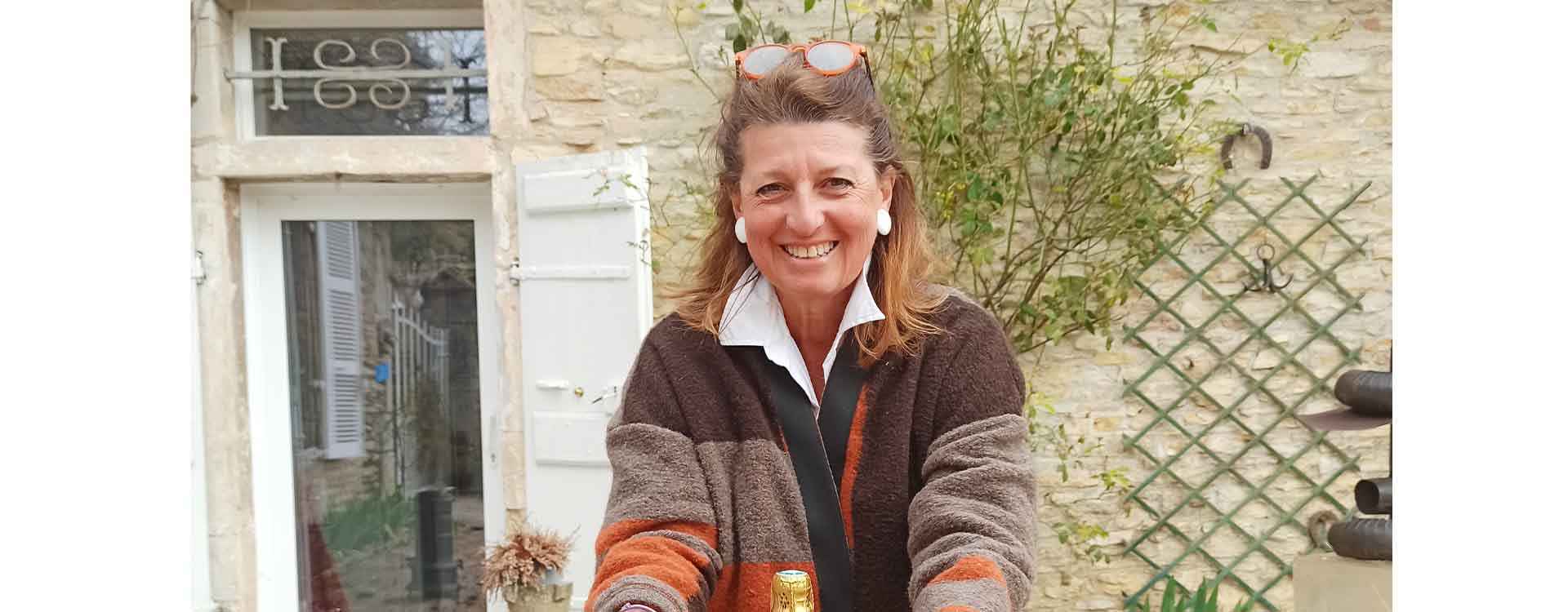
At Domaine de Cardon in Rully, Frédérique de Cardon de Sandrans recreated in 2013 her family's wine estate, settled in Dracy-le-Fort since 1840. Twenty hectares, from Mercurey 1er cru to Chiroubles, farmed under HVE and Terra Vitis, two environmental certifications, without an organic label.
How would you describe Domaine de Cardon?
A winery in Rully, twenty hectares from Villié-Morgon to Mercurey
Frédérique de Cardon de Sandrans runs Domaine de Cardon from Rully, in the Côte chalonnaise, 25 kilometres south of Beaune. The winery sits in the village centre; the vines run from Mercurey, Aluze and Couches to Villié-Morgon, in the Beaujolais.
“Established in Burgundy at Dracy le Fort since 1840, the de Cardon de Sandrans family traces its origins to the 12th century. It planted the first vines there, which were farmed, though small, until the middle of the 20th century, when the property was divided and the vines pulled out.”
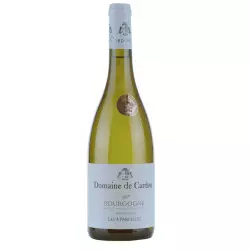
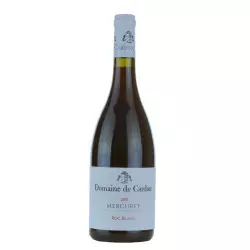
On twenty hectares, fifteen of them in production, Pinot Noir, Chardonnay, Gamay and Aligoté yield five appellations on sale, Mercurey, Mercurey 1er cru, Bourgogne, Bourgogne Aligoté and Chiroubles, and the estate declares more.
“The estate offers the following appellations: Chiroubles, Coteaux Bourguignons, Bourgogne, Bourgogne Cote Chalonnaise, Mercurey Village, Mercurey 1er cru and Crémant.”
No Rully on the list, despite the address.
When did you catch the wine bug?
A decision taken in 2012, with a childhood friend
No childhood calling at Domaine de Cardon, but a decision: in 2012, Frédérique de Cardon de Sandrans chose to reconnect with the family vines, half a century after they were pulled out.
“Their descendant, Frédérique de Cardon de Sandrans, decided in 2012, with a childhood friend, to revive the tradition and values of the de Cardon de Sandrans family by recreating a wine estate.”
The estate came back to life in April 2013; Sébastien, the vineyard manager, on the vines, and Pierre, cellar master in charge of winemaking, arrived in August 2015. The first cuvées followed, from the 2015 harvest.
What philosophy guides your work in the vineyard and in the cellar?
Well-tended grapes, HVE and Terra Vitis rather than organic
No organic label at Domaine de Cardon: reasoned farming, treatments kept to what is needed, two certifications. HVE, France's High Environmental Value scheme, judges the whole farm, not only vines: water, fertilisation, treatments, biodiversity. Terra Vitis, created in the Beaujolais, requires a yearly audit on traceability and sustainability.
“There is no good wine without good grapes. We take care to nurture our vineyard with farming practices that respect as far as possible the terroir passed down by our ancestors. The vineyard is certified HVE and Terra Vitis”
Beyond the vines, the bottle went in 2022 from 530 to 395 grams. In the cellar, early 20th-century vaults house the ageing, the maturing after fermentation, in oak barrels for every red.
Which wine best represents your estate?
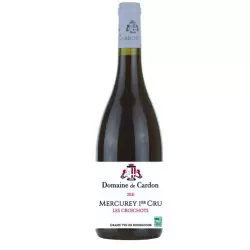
Les Croichots, a Mercurey 1er cru from fifty-year-old vines, and the Cuvée Margaux
The estate names two, including Les Croichots, in Mercurey, a climat classified premier cru: a named, delimited plot above plain Mercurey. Its Pinot Noir vines are fifty years old, in a south-facing hollow at 260 metres, on marl and limestone.
“Mercurey 1er and Cuvée Margaux”
Picked by hand, it macerates for three weeks with the skins, the cuvaison, then spends at least a year in oak barrels, and its product sheet lists liquorice, tobacco and spice. The Cuvée Margaux, a Bourgogne red from Couches, is softer according to its own: strawberry, blackcurrant, blueberry.
Which dish do you like to enjoy your wines with?
A slow-cooked dish, bœuf bourguignon first
The answer fits in one sentence.
“A friendly meal with friends or family around a slow-cooked dish such as a bœuf bourguignon!”
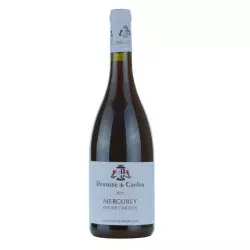
A slow-cooked dish calls for a red with body that does not crush the sauce. Mercurey Pinot Noir fits the bill. The product sheets widen the table: pot-au-feu for the Cuvée Margaux, roast duck for Les Croichots, ox tongue for the Mercurey Roche Cardon.
Why follow Domaine de Cardon?
An estate born in 2013 that wants to grow without changing course
Domaine de Cardon is under fifteen years old and already has old vines: the Roche Cardon cuvée's Pinot Noir averages sixty years, the Chiroubles Gamay fifty-five. What drives the team lies elsewhere.
“Knowing that we carry on a thousand-year-old activity and that we have the duty and the pleasure of passing it on to the next generations”
For what comes next, the answer is just as short.
“to see the estate grow and become more and more recognised for the quality of its wines, with ever greater respect in its relationship with nature”
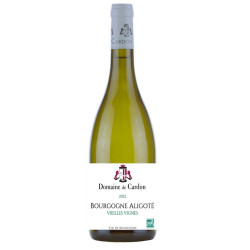
Recognition is starting: the 2022 Guide Hachette gives its Bourgogne Aligoté Vieilles Vignes 2019 two stars and a coup de cœur. The rest is followed vintage after vintage, from a winery in Rully with no Rully.
Why buy direct from the winegrower? Domaine de Cardon wines are shipped straight from the estate: estate price with no middleman, full vintage traceability and support for a family estate certified HVE and Terra Vitis.
Discover the cuvées of Domaine de Cardon direct from the estate, at the estate price, on Avenue des Vins.
Frequently asked questions about Domaine de Cardon
What is a Mercurey 1er cru?
A Mercurey grown on one of the 32 climats classified premier cru, in Mercurey and Saint-Martin-sous-Montaigu, about 145 hectares of red premier cru in all. Les Croichots, the Domaine de Cardon cuvée, is one of them.
Which appellations make up the Côte chalonnaise?
Five village appellations: Bouzeron, Rully, Mercurey, Givry and Montagny, with no grand cru but premiers crus everywhere except Bouzeron. Regional appellations join them: Bourgogne Côte Chalonnaise, Bourgogne Aligoté and Crémant de Bourgogne, the sparkling one.
What is Chiroubles wine?
The highest of the ten Beaujolais crus: a Gamay red on granite, between 270 and 600 metres. Domaine de Cardon has fifty-five-year-old vines there; the product sheet notes violet, iris and peony.
What food goes with red Mercurey?
Cuts of beef, lamb and slow-cooked poultry, according to the Bourgogne wine board. At Domaine de Cardon, the sheets give coq au vin for Les Croichots, beef daube for the Roche Cardon cuvée.
What is Bourgogne Aligoté?
A regional appellation for whites from the Aligoté grape, recognised in 1937: a lively wine to drink young, with oysters or goat's cheese. At Domaine de Cardon, its old vines stand in Aluze and Couches.