Delivery from €16,90 per winemaker in Europe (excluding the United Kingdom)

Portraits of winemakers
Thomas Merle, Domaine Bouisse-Matteri: young winemaker conquering forgotten grape varieties
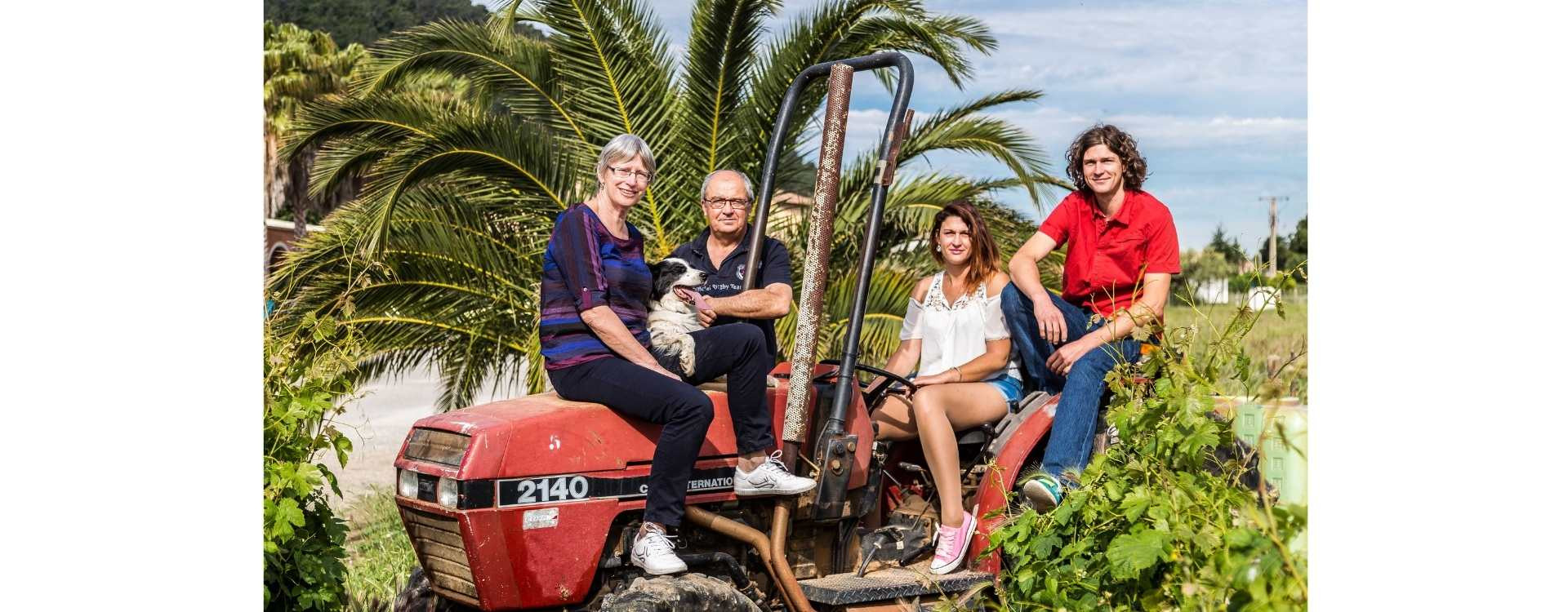
Thomas Merle, hailing from a family of winemakers, is in his thirties and full of ideas. In 2007, after studying viticulture and oenology and spending a few months in Australia, he joined his parents, Bruno and Mariette, at Domaine Bouisse-Matteri, located in the heart of Provence in Hyères.
What sparked your interest in forgotten grape varieties?
A New Generation in Winemaking
Upon his arrival at Domaine Bouisse-Matteri, one particular vineyard plot intrigued Thomas.
We had several vines that had been identified as Grenache. However, we knew very well that they were not Grenache, as physically, they were nothing like it,
Thomas recalls. After several years of research, Thomas and his family discovered that the vines were actually a forgotten grape variety called Mourvaison.
We quickly changed the label on the tank to read Mourvaison!
How did you come across Rosé du Var?
Discovering Rosé du Var
This discovery led the young winemaker to delve further and explore the origins of other grape varieties.
About ten years ago, we rented some rather scraggly vines that produced large pink berries. Initially, we called it Aramont Gris. But we eventually realized that it was actually another forgotten grape variety called Rosé du Var. This was in 2013,
Thomas remembers.
When I learned that the center for rosé was looking for vines of Rosé du Var and Mourvaison, I looked at photos of these varieties and recognized ours. The center brought in a specialist who confirmed it. He even found another, slightly less rare variety, Aubun,
adds Thomas.
What makes Mourvaison so special to you?
Reviving Forgotten Varieties in the AOC Côtes de Provence
Mourvaison, identifiable by its small greenish berries that persist even when ripe, is distinguished by its pronounced aromas of red fruits and undergrowth. In 2013, Thomas vinified the first 100% Mourvaison red wine.
Before we discovered the true identity of the grape, my father was blending Mourvaison with Grenache to make a rosé. This resulted in a surprisingly robust and age-worthy wine. But when I began vinifying it as a red, I found it so excellent that I decided we would never make it as a rosé again.
Why do you now want to bring these varieties back into the appellation?
A cause dear to the winemaker
Since then, Thomas has reconsidered his position. As he prepares to replant new Mourvaison vines, he plans to allocate part of them to rosé production.
Given that over 80% of the production in the Provençal vineyard is rosé, I can’t overlook rosé if I want to see Mourvaison return as an official grape variety of the Côtes de Provence appellation,
says the winemaker. The return of Mourvaison and Rosé du Var to the AOC Côtes de Provence is a cause particularly dear to Thomas, who believes it is important to diversify the wines of a region “standardized” by the success of rosés made from Syrah or Grenache (key grape varieties of the region).
What else does the estate produce?
A diverse range of grapes and terroirs
Thomas doesn’t neglect other grape varieties. In addition to the 1,500 bottles of Mourvaison and 3,000 bottles of Rosé du Var produced each year, Domaine Bouisse-Matteri produces 17 other wines, including rosés blended from Cinsault, Grenache, and Syrah.
We have so many different grape varieties and terroirs that it would be a shame not to make use of them all,
Thomas considers. Domaine Bouisse-Matteri therefore also produces red wine made from Cabernet Sauvignon, Grenache, Merlot, and Syrah, as well as white wine from a blend of Vermentino and Ugni Blanc.
Frequently asked questions about Domaine Bouisse-Matteri
Where is Domaine Bouisse-Matteri located?
The family estate sits in Hyeres, in Provence. Thomas Merle has worked there alongside his parents Bruno and Mariette since 2007, after studying viticulture and oenology and spending time in Australia.
What is Mourvaison, the grape Thomas Merle grows?
It is a long-forgotten variety recognisable by its small green berries that stay visible even when ripe. Its aromas lean toward red fruits and undergrowth. Thomas Merle made the first 100% red bottling from it in 2013.
Is Rose du Var a rare grape variety?
Yes, it is a scarce variety the family first mistook for Aramon Gris before identifying it around 2013. A specialist from the rose research centre confirmed its origin and also spotted Aubun growing on the estate.
What wines does Domaine Bouisse-Matteri produce?
The estate makes roughly 1,500 bottles of Mourvaison and 3,000 of Rose du Var each year, plus seventeen other cuvees. These include reds from Cabernet Sauvignon, Grenache, Merlot and Syrah, blended roses, and a white of Vermentino and Ugni Blanc.
Why does Thomas Merle want these grapes back in the AOC Cotes de Provence?
The winemaker wants to move the region beyond a range standardised by Syrah and Grenache roses. Having Mourvaison and Rose du Var recognised as official appellation grapes would broaden the diversity of Provencal winemaking.


