Delivery from €16,90 per winemaker in Europe (excluding the United Kingdom)

Unbeatable !
5 compliments to pay a wine to shine in the evening
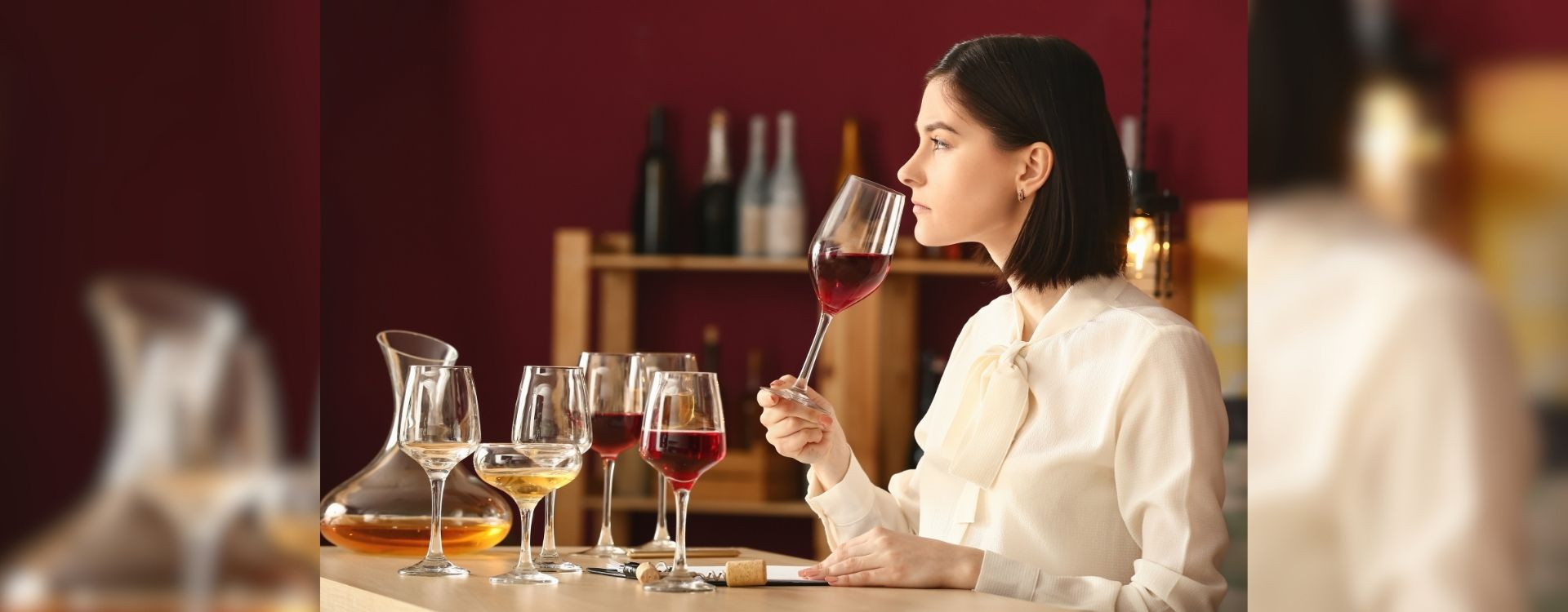
Here are 5 tasting terms that might help you. Every March 1st, on World Compliment Day, and even on any other day of the year, feel free to use them generously!
Warm:
Just as with a warm person, a wine is described as warm when its palate gives a sense of warmth due to its high alcohol content. Its structure is generous, full, and powerful. Wines from Languedoc or Provence are good examples of warm wines.
Fleshy:
Just as one might praise the fleshy lips of a woman, a fleshy wine evokes a sensation of creaminess and breadth. These characteristics result from a high tannin and alcohol content. You can find these qualities in sweet white wines, as well as in red wines from Bordeaux, like a Médoc, or a red Loire wine such as a Saumur.
Robust:
When we hear this adjective, we immediately picture a well-built athlete. And when it comes to wine, we instinctively think of a full-bodied drink! Indeed, the main characteristic of a robust wine is its strength. Typical grape varieties for robust wines include Tannat, Cabernet Sauvignon, and Grenache, which are predominantly found in sun-drenched Southern wines.
Easy-drinking:
Popular belief suggests that the oenological term "easy-drinking" originates from the Beaujolais or Anjou regions. It describes a fresh, light, and easy-to-drink wine that flows smoothly down the throat. This term applies to rosés, whites, and reds alike.
Nervous:
At first glance, this might not sound like a compliment. It’s true that this adjective isn't very flattering for a person! However, "nervous" takes on a different meaning when discussing wine. In the mouth, a nervous wine is characterized by its acidity, which is much more prominent than sweetness. This term is used for dry, young white wines that have good aging potential.
Our Favourites Wines Selection : Put these words to the test on our current selection, chosen straight from the winegrower at estate price. See the selection →
The aromatic palette
If you want to impress your guests or a wine merchant, talk about the aromatic palette of a wine. It refers to the full range of aromas perceived both on the nose and during tasting. These aromas are generally divided into three categories: primary, secondary, and tertiary.
- Primary aromas come directly from the grape variety: here we’re talking about fresh fruit, flowers, citrus, or even aromatic herbs. They are particularly noticeable in young wines, whether red, rosé, or white.
- Secondary aromas come from alcoholic and/or malolactic fermentation. These include notes of toasted bread, butter, yeast, or yogurt. They add depth to certain off-dry white wines or to round, smooth red wines.
- Tertiary aromas, finally, develop during oak barrel aging or bottle aging. They reveal scents of leather, undergrowth, tobacco, or cocoa. Referring to the bouquet of tertiary aromas in a wine is a refined compliment, but one highly appreciated by connoisseurs.
Length, attack, and mid-palate
Another area of wine jargon worth mastering is tasting on the palate. Here are a few terms to know in order to describe the taste sensations and the structure of a wine:
- The attack on the palate corresponds to the first impression when the wine enters the mouth. A wine may be lively, supple, direct, or nervy right from the attack.
- The mid-palate helps assess body, texture, and lingering aromas. Complimenting a wine for “its ample and harmonious mid-palate” is a phrase that always resonates.
- Finally, the length on the palate, also called aromatic persistence, measures how long the aromas last after swallowing or spitting the wine. A great wine is often recognized by its length, which is also essential for its aging potential.
Wine color and viscosity: two visual clues worth highlighting
During visual examination, do not hesitate to compliment the color or texture of the wine. A deep red with violet reflections or a brilliant white with a golden hue are always worth admiring. Viscosity, meanwhile, is observed by swirling the wine in the glass. This reveals the “legs” or “tears” of the wine. A wine rich in alcohol or sugar will leave thick traces on the sides of the glass, often indicating barrel aging or a late-harvest style.
A touch of technique to shine even brighter
To compliment a wine like an expert, a few well-placed technical terms can make all the difference:
- When speaking of red or white winemaking, mention malic acid, lactic acid (from malolactic fermentation), acetic acid, citric acid, carbonic acid, or tartaric acid.
- Refer to oak barrel aging or maturation in wood to highlight the complexity of a wine with woody notes.
- Mention noble rot when referring to great sweet white wines (AOC Sauternes, AOC Monbazillac, etc.).
- Instead of simply saying “taste,” speak of a “bouquet of aromas.” Indeed, the language of wine often makes use of poetic and figurative terms.
Compliments by type of wine
For a red wine, do not hesitate to highlight its tertiary aromas, tannic power, or structure. For example, you can say the wine is “complex, deep, and endowed with a long, spicy finish.”
For a white wine, emphasize its freshness, floral notes, or balanced acidity. An off-dry white can be described as “gourmet, elegant, and perfectly balanced between sweetness and tension.”
For a rosé, highlight its drinkability, freshness, and primary aromas of small red fruits. A refreshing, easy-drinking rosé is always a great talking point at an aperitif.
By using these expressions from the wine vocabulary, you will be fully equipped to shine at gatherings, and, above all, to share your passion for the world of wine. Finally, do not hesitate to suggest food and wine pairings by following the advice in our articles and order the finest bottles directly on Avenue des Vins!
Our Favourites Wines Selection : Put these words to the test on our current selection, chosen straight from the winegrower at estate price. See the selection →
FAQ - Describing a wine
How can you describe a wine when you lack the vocabulary?
Rely on a few tasting adjectives: a wine can be warm, fleshy, robust, easy-drinking or nervous. Start by observing its colour, then its aromas on the nose, and finally its sensations on the palate. These three steps are enough to build an accurate description.
What does it mean when a wine is easy-drinking?
An easy-drinking wine is fresh, light and flows smoothly on the palate. The term is said to come from the Beaujolais or Anjou regions. It applies equally to rosés, whites and reds.
What is the aromatic palette of a wine?
It is the full range of aromas perceived on the nose and on the palate. They fall into three families: primary aromas from the grape variety, secondary aromas born of fermentation, and tertiary aromas that develop during ageing in the bottle.
What is the difference between the attack, the mid-palate and the length?
The attack is the first impression as the wine enters the mouth. The mid-palate reveals the body, texture and lingering aromas. The length, or aromatic persistence, measures how long the aromas last after swallowing the wine.
How do you compliment a red, white or rosé wine?
For a red, highlight its tertiary aromas, tannic power and structure. For a white, point to its freshness, floral notes and balanced acidity. For a rosé, emphasise its drinkability and aromas of small red fruits.


